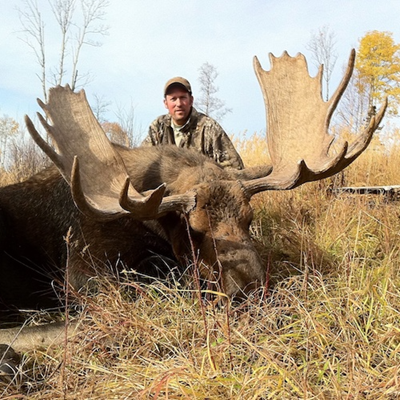
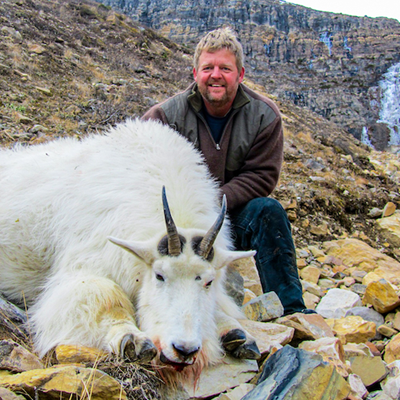
ABOUT OUTFITTER:
This long-established, family-operated guiding operation holds exclusive guiding rights to an exceptionally productive mountain concession in southeastern British Columbia. The territory has been professionally developed over decades with upgraded cabin camps, established trail systems, and a proven backcountry system built around horses and mules. The program is rooted in ethical, fair-chase hunting, strong communication, and a conservation-minded approach that protects the quality of the resource and the client experience. With limited hunter numbers, experienced guides, and a reputation built largely on repeat and referral business, this operation is known for personalized service, consistent game quality, and a safe, well-run hunt from start to finish.
HUNT DETAILS:
These elk hunts are classic horseback, backcountry rut hunts in steep, game-rich Rocky Mountain terrain. The concession spans roughly 500+ square miles across two hunting zones, with elevations ranging from approximately 3,500 to 10,000 feet. Elk commonly use subalpine basins and broken timbered slopes, so hunters should be prepared for physically demanding days that mix horseback travel with sustained hiking and side-hilling on foot once elk are located.
The hunt is structured as an 8-day package that includes two half days for packing in and out and seven full days of hunting. Hunters typically arrive on Day 1, hunt Days 2–9, and depart Day 10. Because the timing coincides with the rut, calling and bugling strategies are a major part of the experience, and hunters can expect action-packed mornings and evenings with opportunities to locate bulls by sound, then close the distance using cover, wind, and terrain.
A long-standing 6-point restriction has been in place for many years, and the results show in both numbers and quality. Bulls are known for heavy, mature frames and rich dark coloration, with typical trophy expectations in the 280–330 class and the potential for larger on the right opportunity. Glassing, smart calling setups, and patience are key—this is a hunt where one great encounter can happen fast, but the most consistent hunters are those who can stay steady through changing weather and long days.
Hunting is conducted with a strong emphasis on low pressure and effective access. Motorized travel is restricted during the season, so stock is used extensively to reach camp, cover country efficiently, and pack animals after a successful harvest. The operation maintains a solid string of horses and mules, uses old logging routes and established trails to get close, then finishes on foot. Hunters routinely see high daily numbers of elk plus significant diversity of other big game throughout the hunt.
This elk package also offers “bonus” opportunities for additional species including mule deer, whitetail deer, black bear (generally best earlier, as many bears start to disappear toward hibernation by early October), and wolves. These should be considered incidental to the primary elk focus—if the elk tag is filled early and time allows, hunters may shift attention to additional opportunities based on conditions and sightings.
ACCOMMODATIONS:
Hunters stay in comfortable cabin-style camps designed for efficient backcountry hunting. Two main camps offer bunk-style sleeping quarters, cookhouses with full kitchens (propane stoves, wood stoves, propane fridges, and running water), and shower facilities with propane-fired hot water started every few days—an appreciated luxury after long days in the mountains. In addition, multiple spike cabin camps are strategically positioned throughout the concession to improve access and keep hunters close to prime country.
Each main camp is typically limited to four hunters, with a one-hunter-per-guide standard unless otherwise arranged. A full-time cook supports the main camps with hot, homemade meals. Access involves a drive to the corrals followed by a 1–3 hour horseback ride into camp depending on location. Because everything is packed in by stock, hunters should plan to keep gear streamlined (with a stated maximum gear weight per person) and arrive prepared for variable mountain weather.
LICENSE INFORMATION:
All hunters are required to purchase the basic non-resident hunting license and the mandatory non-resident conservation/preservation fund membership, along with the appropriate species tag(s) for the hunt package. The operation uses a detailed personal information process to ensure licenses/tags are arranged correctly, and licenses/tags can be prepared ahead of arrival based on the completed paperwork. Hunters may also add tags for incidental species (such as deer, bear, and wolf) if desired.
Clients are generally responsible for their travel to and from the pre-hunt meeting location, licenses and tags, applicable taxes, and any processing, taxidermy, and shipping costs. The outfitter assists with meat care, field prep, and export documentation as needed, and can coordinate taxidermy/shipping options upon request.
Show More



 Login
Login