ABOUT OUTFITTER:
This family-owned and operated outfitting team has been guiding hunters since 2011 and is known for offering a personal, low-pressure hunting experience with a strong focus on quality, conservation, and client success. The operation was built around a passion for the outdoors, a love of helping hunters succeed, and a commitment to making every client feel at home from the time they arrive.
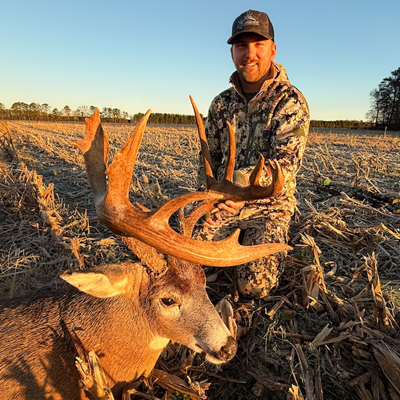
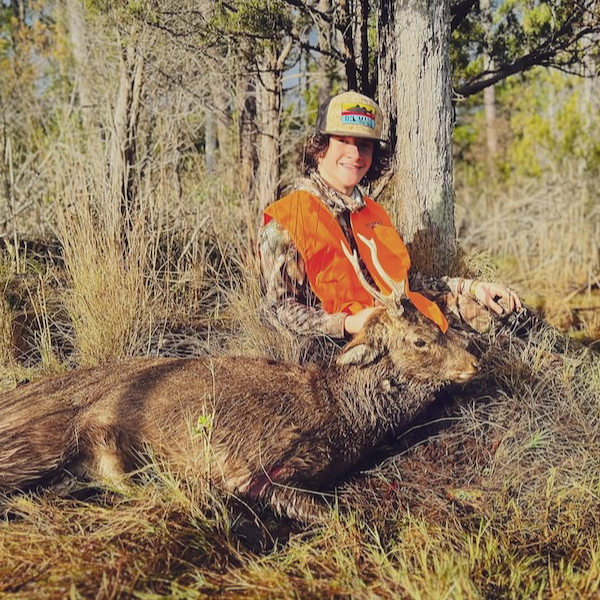
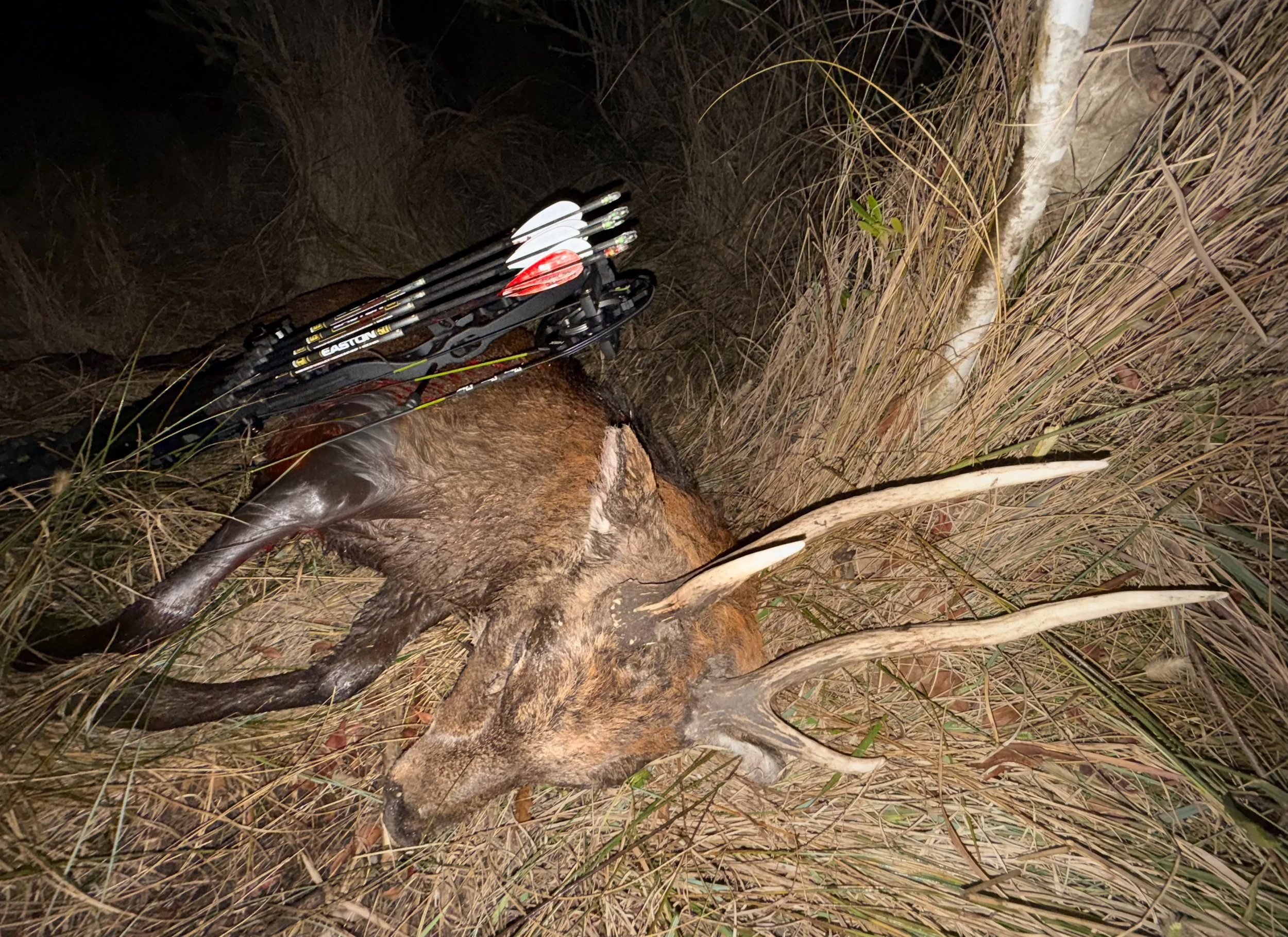
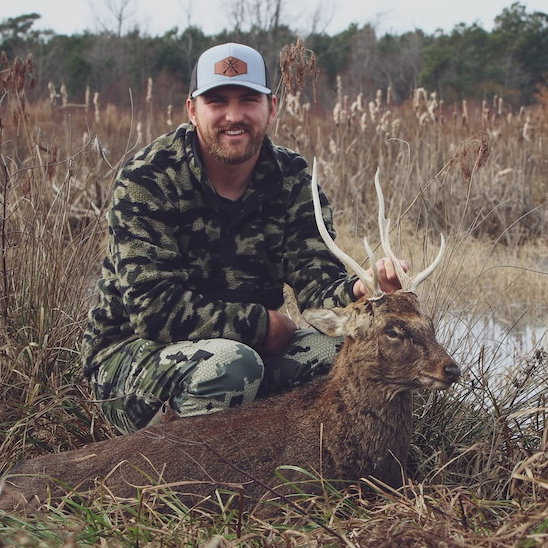
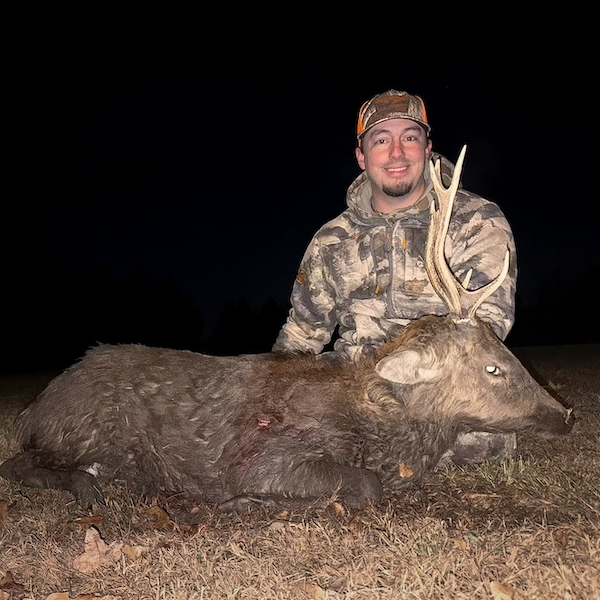
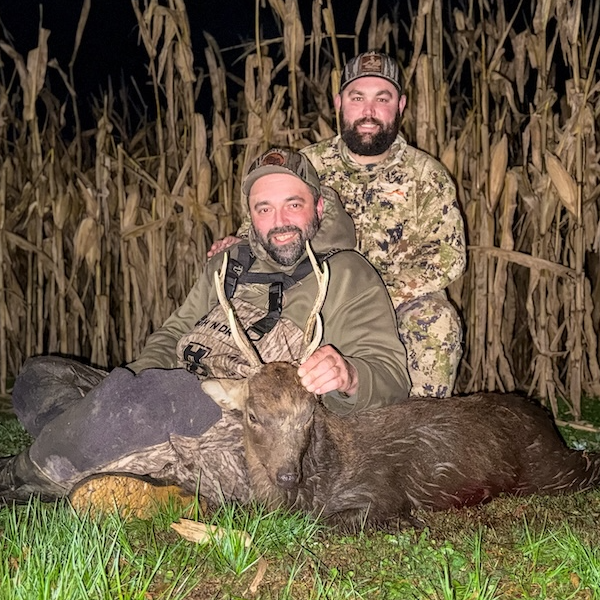
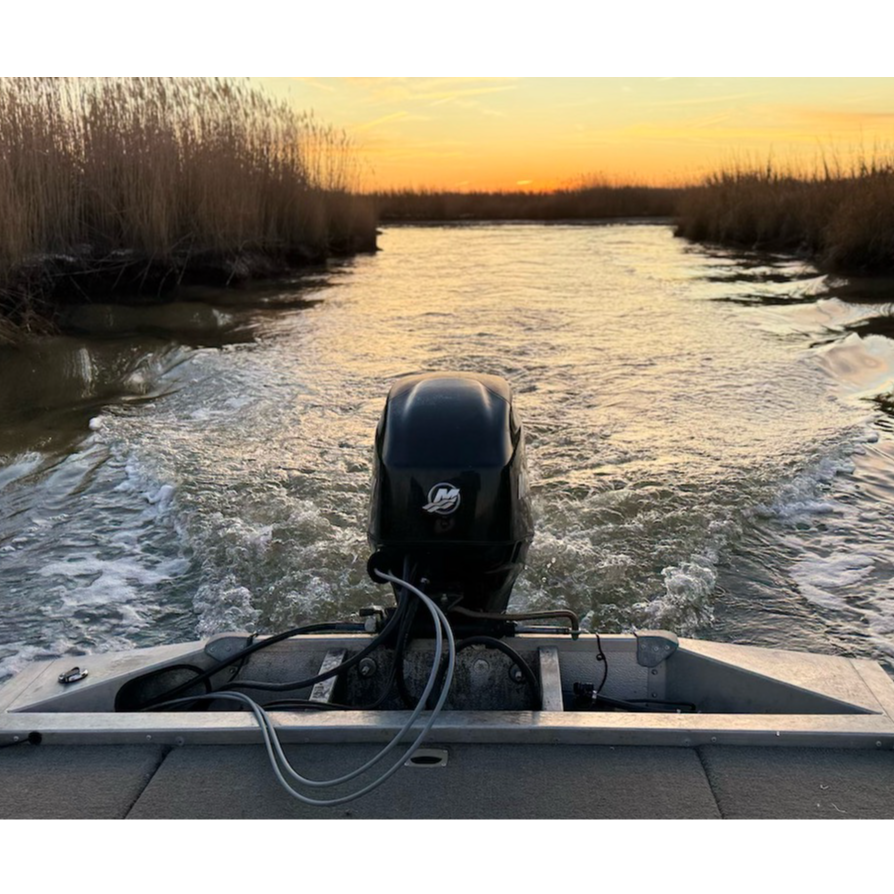
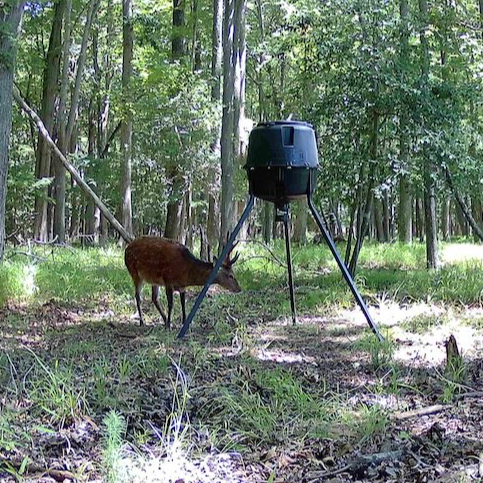
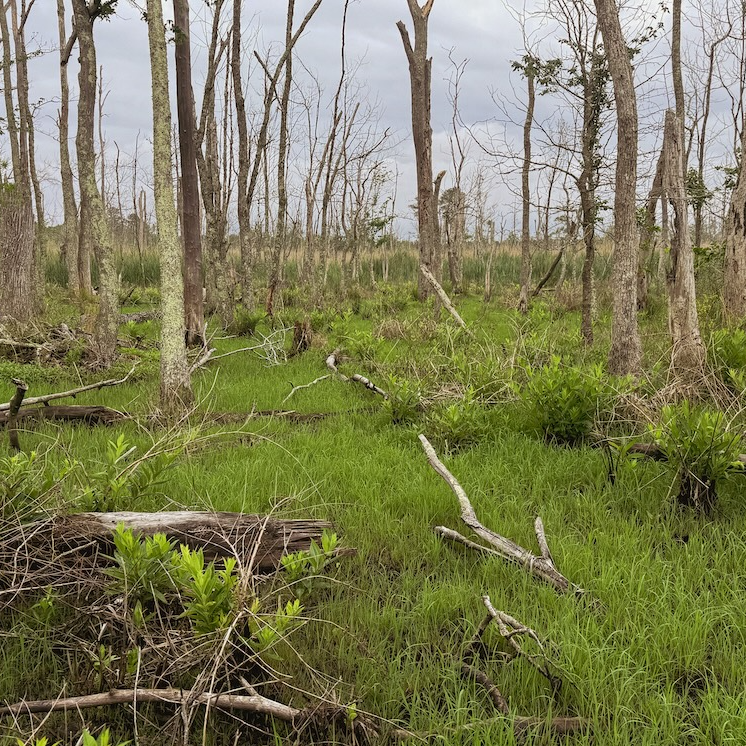
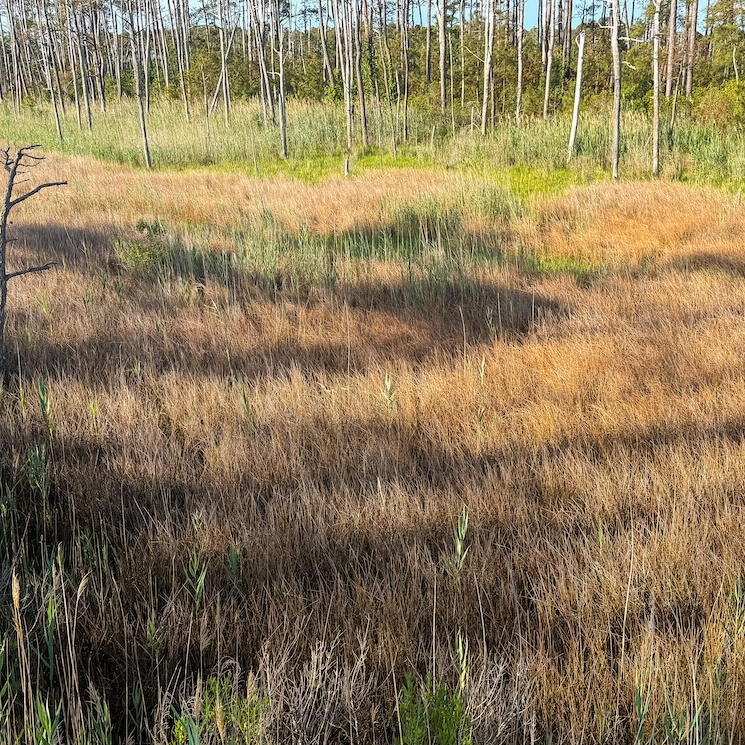
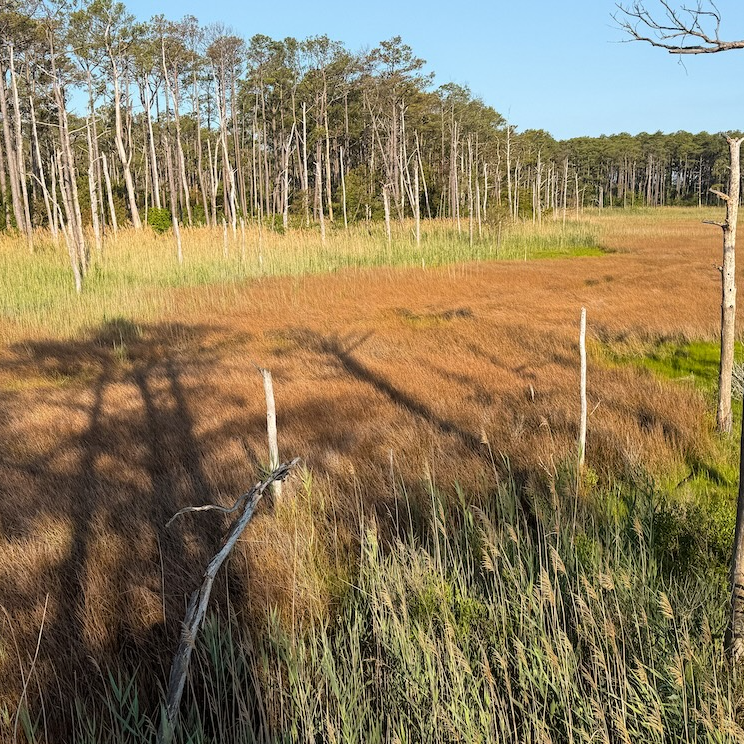
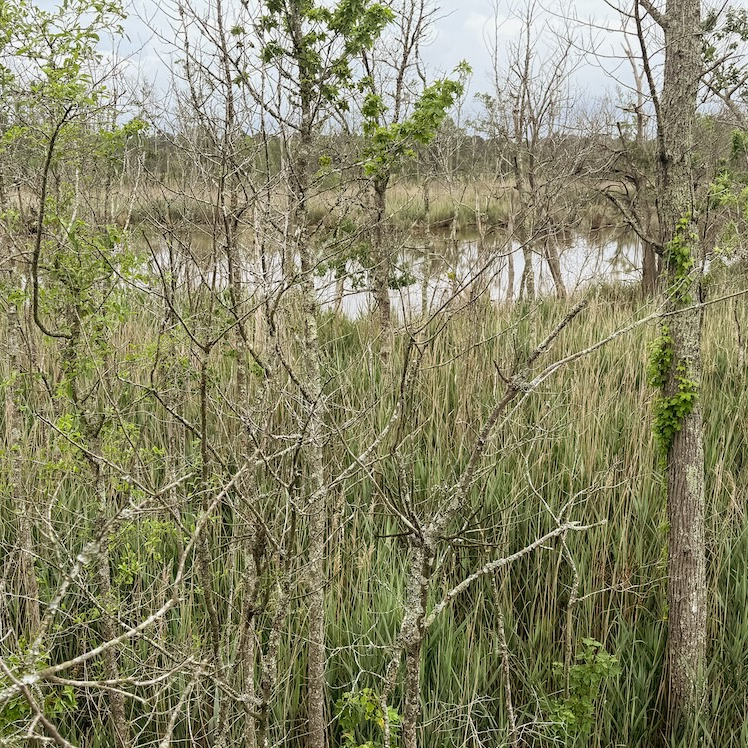
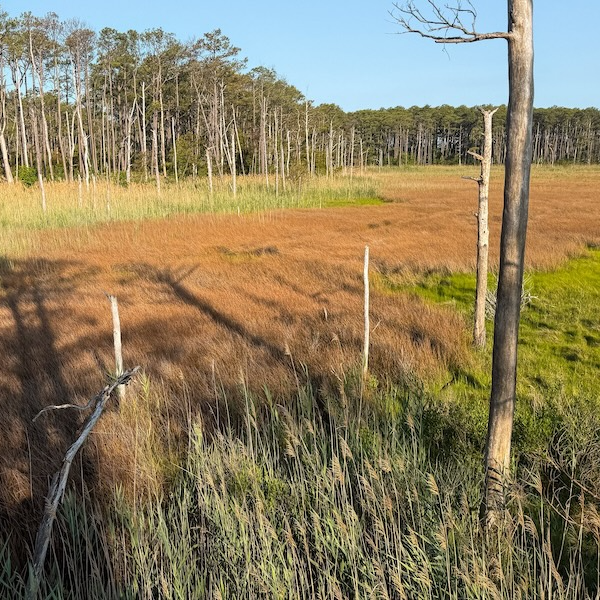
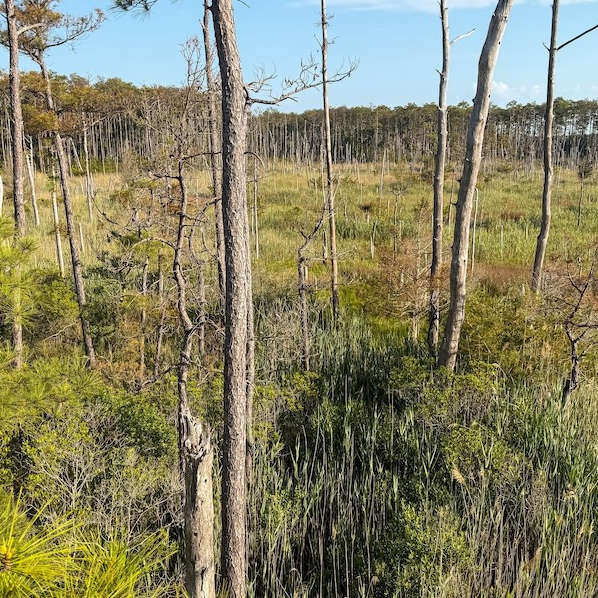
The outfitter manages a limited number of hunts each season to keep pressure low and maintain a higher-quality experience. Their private hunting properties are carefully monitored and managed for wildlife, with habitat that includes tidal marshes, crop ground, pine thickets, mature timber, travel corridors, and feeding areas. For hunters looking for a unique free-range Sika deer opportunity, this hunt offers a true East Coast experience in one of the few places in the country where these animals can be pursued in a wild, free-roaming setting.
HUNT DETAILS:
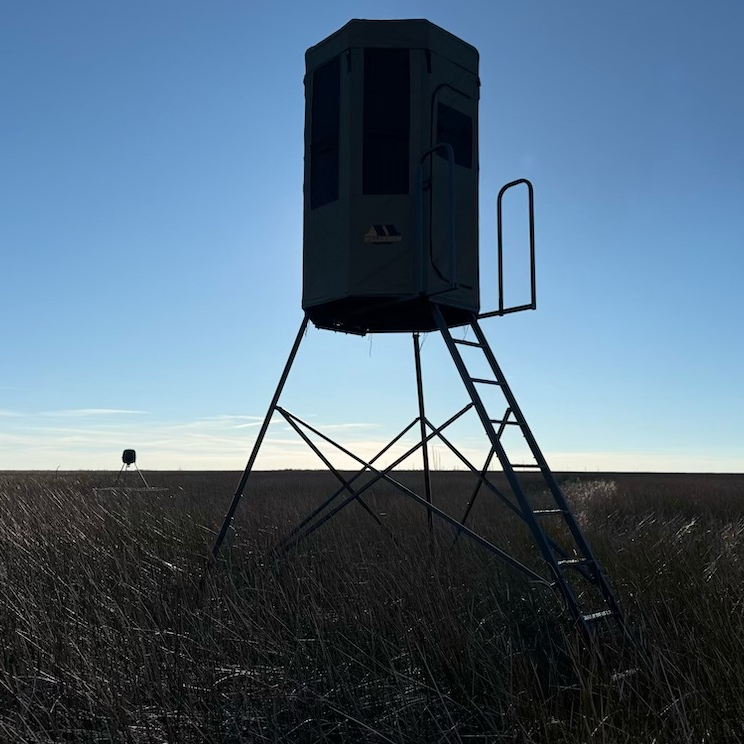
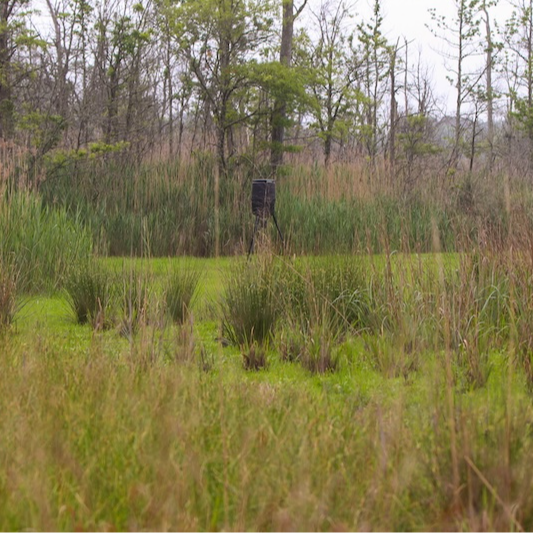
These Sika deer hunts take place on private land and are conducted in a variety of habitat types, including tidal saltwater marshes, high ground, hardwoods, pine plantations, and natural travel routes. Hunts may be conducted from tree stands or blinds, with 1x1 or 2x1 guided options available. Depending on conditions and the best opportunity for success, fully guided hunts may also include ground hunting, spot-and-stalk, calling, or other tactics.
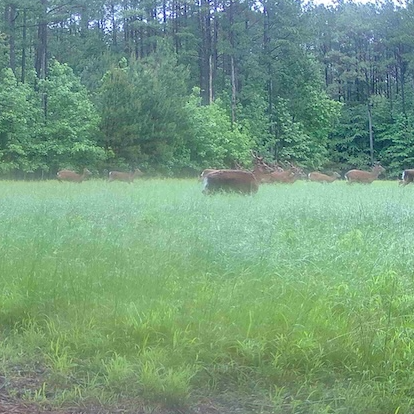
The season typically runs from September through January. Early-season hunts can bring warmer temperatures, while late-season conditions can be much colder. Weather plays a major role in daily movement, but hunters may see approximately 5–10 or more Sika deer per hunt day when conditions are favorable. Game quality is considered great, and the outfitter’s goal is to provide a high-success, quality hunting experience with minimal pressure.
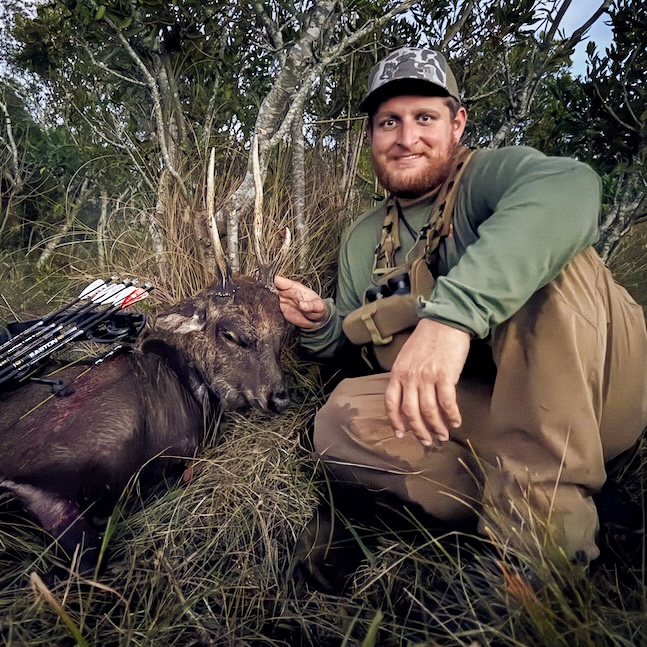
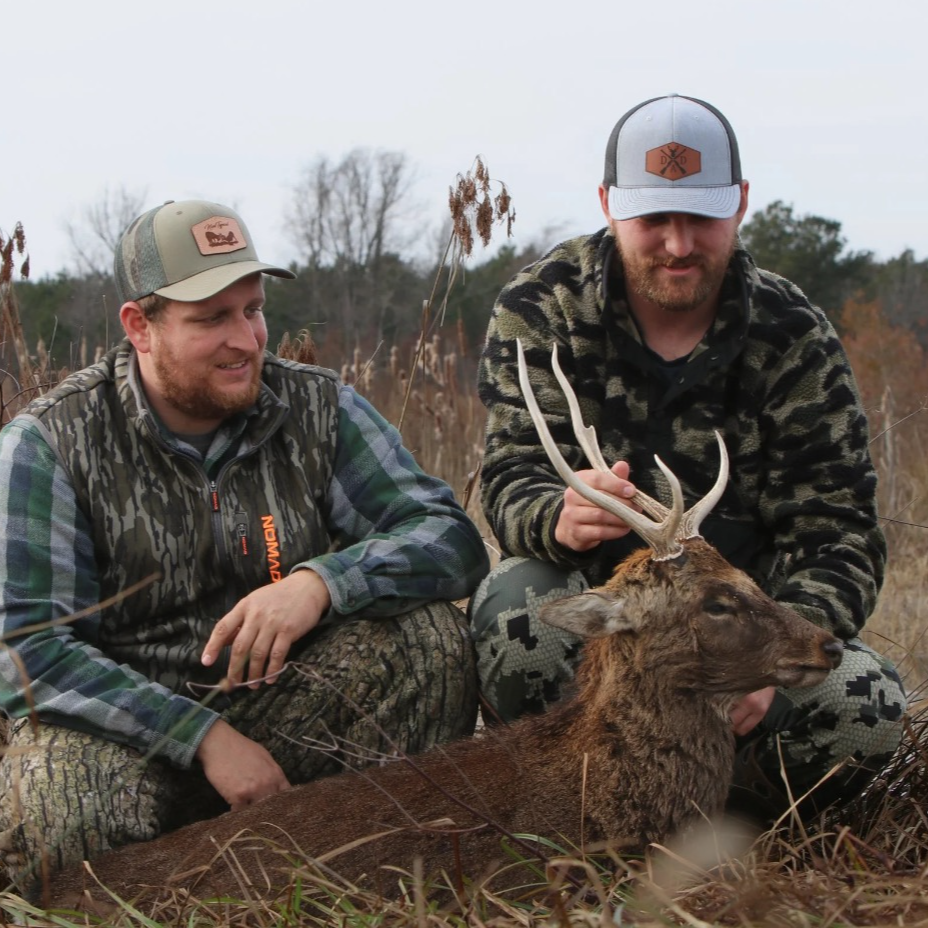
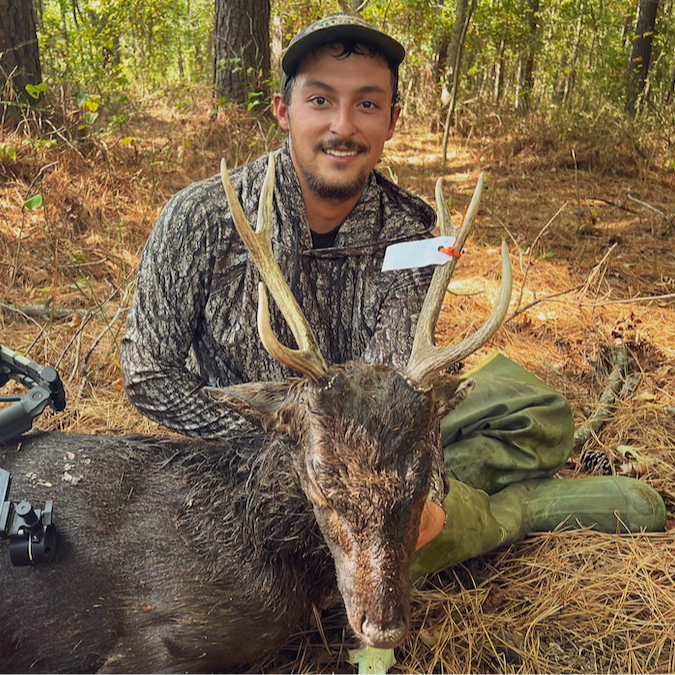
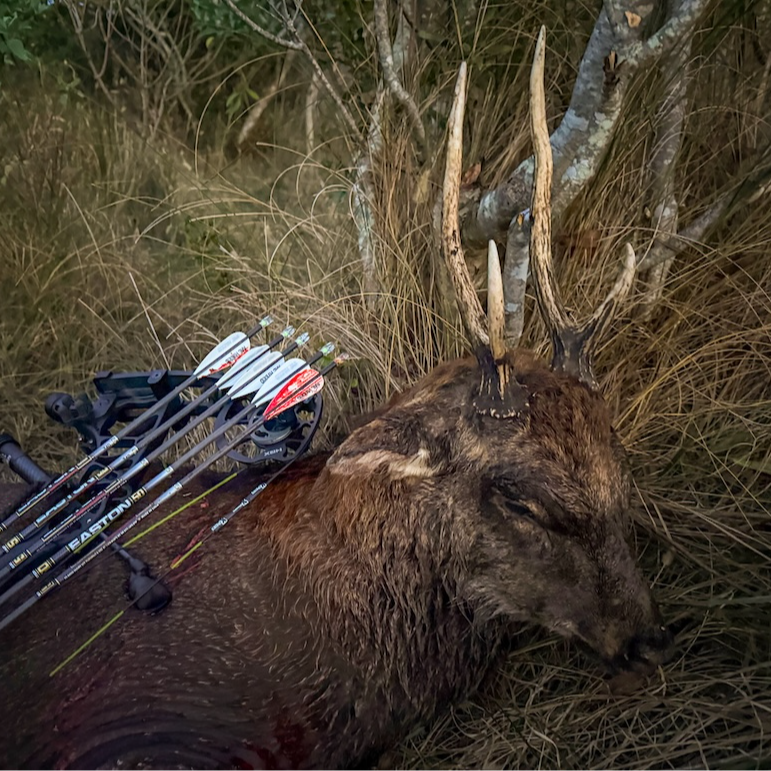
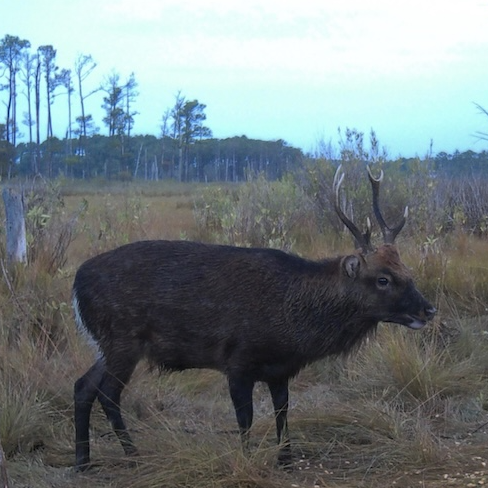
The hunt includes one legal Sika stag, with a minimum requirement of 2 points or better on one side. Hinds are not included. Shooting distances for archery hunters are typically 20–50 yards, while firearm hunters should be prepared for shot opportunities from approximately 20–300 yards. This is considered an easy hunt overall, though rubber boots or hip boots may be needed depending on water levels and hunting location.
A typical hunt day begins with a light breakfast before heading to the field after daylight. Hunters should expect to stay in the field for most of the day, often hunting from morning until dark. A bag lunch is provided during the hunt, followed by a warm meal each evening. If a hunter tags out early, the team will quarter the meat, cape the animal, and prepare the trophy for the next step. If meat is being transported across state lines, it must be deboned, which the outfitter will handle. A local taxidermist can also be arranged if needed.
All wounded game is considered the hunter’s animal once blood is drawn. The outfitter will make every reasonable effort to recover any wounded animal.
ACCOMMODATIONS:
Lodging and basic meals are included with the hunt. Accommodations vary depending on the area being hunted and may include rental-style homes or the outfitter’s lodge when hunting certain locations. Lodging arrangements can typically accommodate single hunters, couples, and groups depending on house availability and hunt location.
Meals include a light breakfast, sandwich-style lunches for the field, and a warm dinner each evening. Observers may be accommodated for an additional daily rate if lodging space is available.
Hunters should arrive anytime after 3:00 PM the day before the scheduled hunt begins. Departure is typically the evening of the final hunt day after the hunt is complete, unless other arrangements are made in advance. Rental vehicles are the responsibility of the client, though airport pickup may be arranged for an additional fee. Nearby airport options include regional and major commercial airports.
Additional hunt days may be arranged if availability allows. Hunters may also have the option to add a whitetail deer for an additional trophy fee. Before or after the hunt, clients may enjoy nearby coastal activities, seafood restaurants, fishing charters, or other waterfowl hunting opportunities in the area.
LICENSE INFORMATION:
Sika deer tags are available over the counter. Nonresident hunters are required to purchase a nonresident hunting license and a one-year Sika deer stamp. The nonresident hunting license is approximately $160, and the Sika stamp is approximately $200. Archery and muzzleloader hunters must also purchase the appropriate weapon-specific stamp, which is approximately $25 each.
Licenses and stamps can be purchased online before arrival, which is preferred, or upon arrival if needed. License fees, tag fees, travel expenses, airport pickup, and any additional personal costs are not included in the hunt price. There are no trophy fees for the included Sika stag.
All hunt deposits and hunt payments are non-refundable. If needed, the outfitter may attempt to move the hunt to another available date within the same year or roll the hunt forward one season, depending on availability.
Show More

 Login
Login