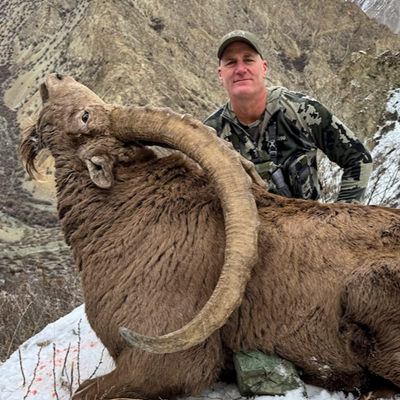
ABOUT OUTFITTER:
This long-established, family-operated outfitter has been involved in hunting, wildlife management, and conservation for decades. Conservation efforts began well before the formal establishment of the hunting operation, and the company continues to be closely involved in protecting and managing the wildlife found throughout its concession.
Unlike operations that simply market hunts conducted by another concession holder, this outfitter manages its own hunting territory and has a long history of receiving government-issued Bukharan markhor quota. Its conservation program includes a dedicated ranger force, regular anti-poaching patrols, wildlife population surveys, camera-trap monitoring, and cooperation with international conservation organizations. The outfitter has also supported surrounding communities through employment, education, and other conservation-related programs.
These efforts have helped protect substantial habitat for Bukharan markhor, Bukharan ibex, snow leopards, wolves, brown bears, wild boar, and other native wildlife. Independent wildlife surveys conducted over the years have documented a strong and growing markhor population, including a significant number of mature males. The concession has developed an excellent reputation for both markhor conservation and trophy quality, making this an outstanding opportunity for hunters looking to pursue one of Central Asia's most sought-after mountain species.
HUNT DETAILS:
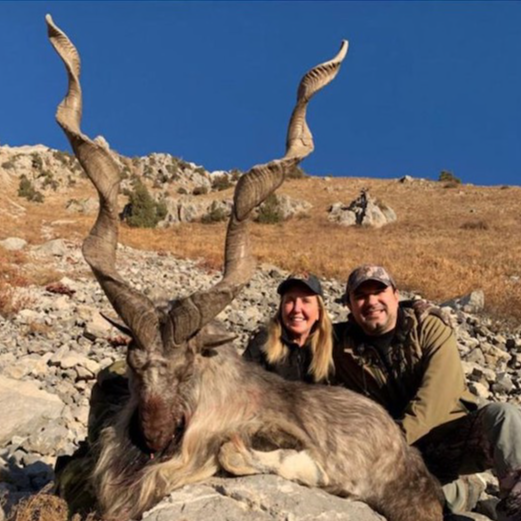
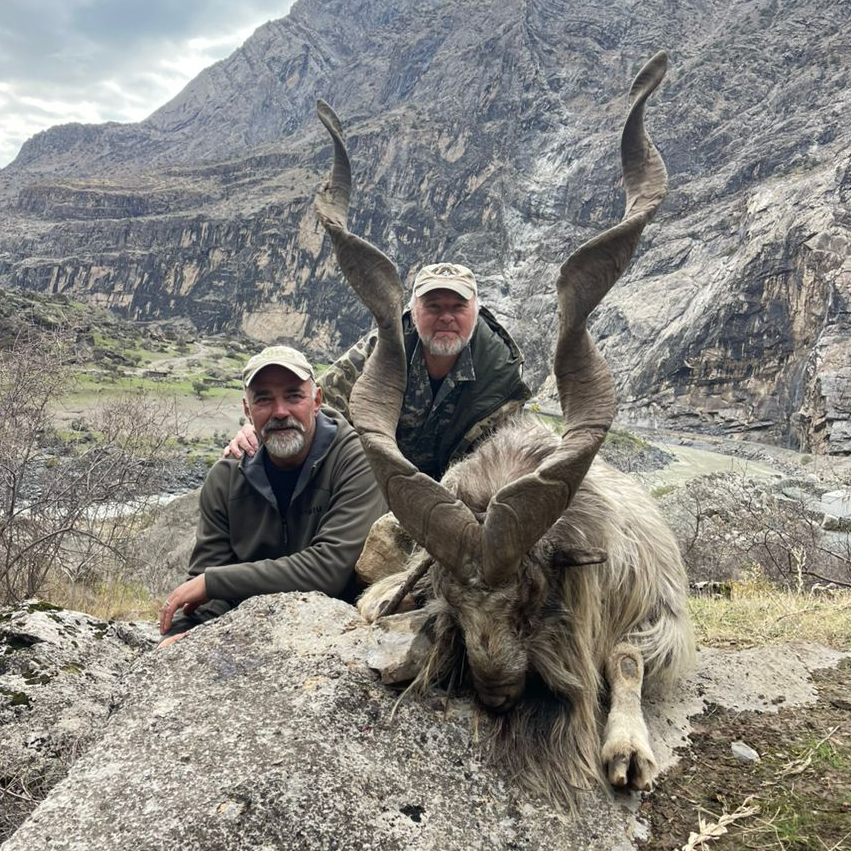
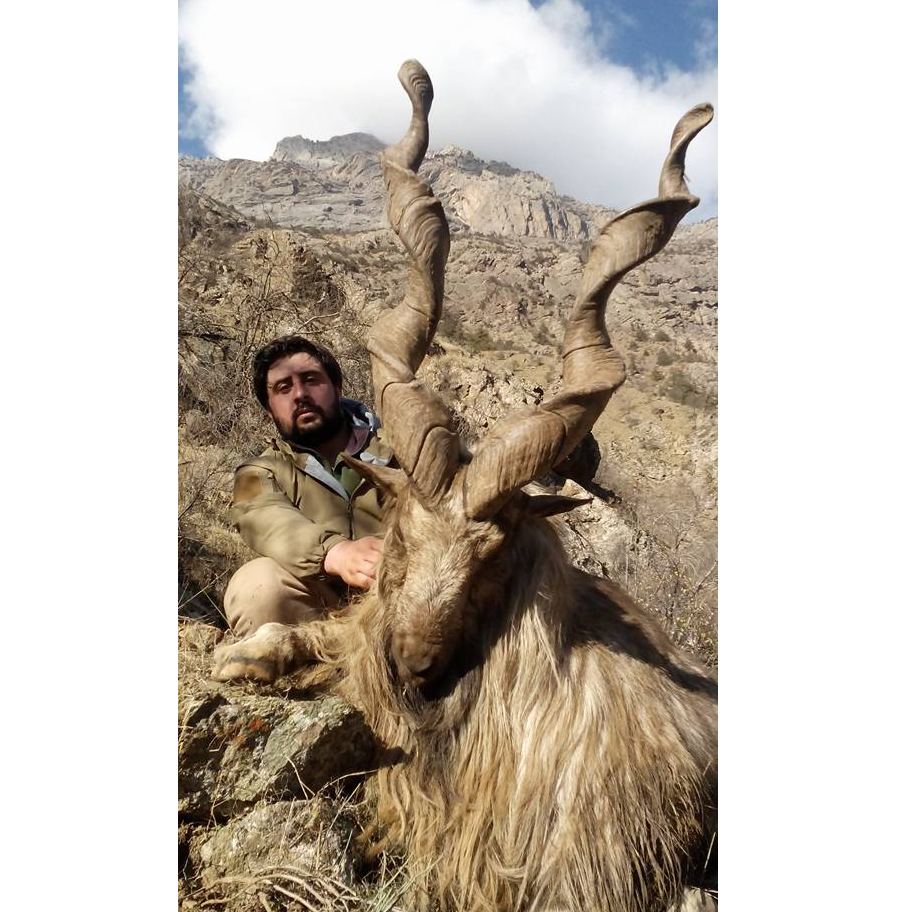
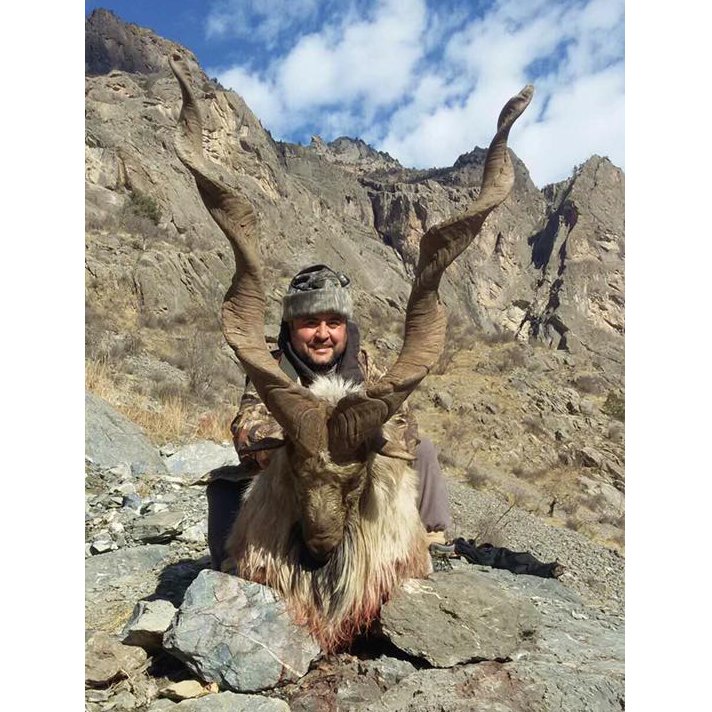
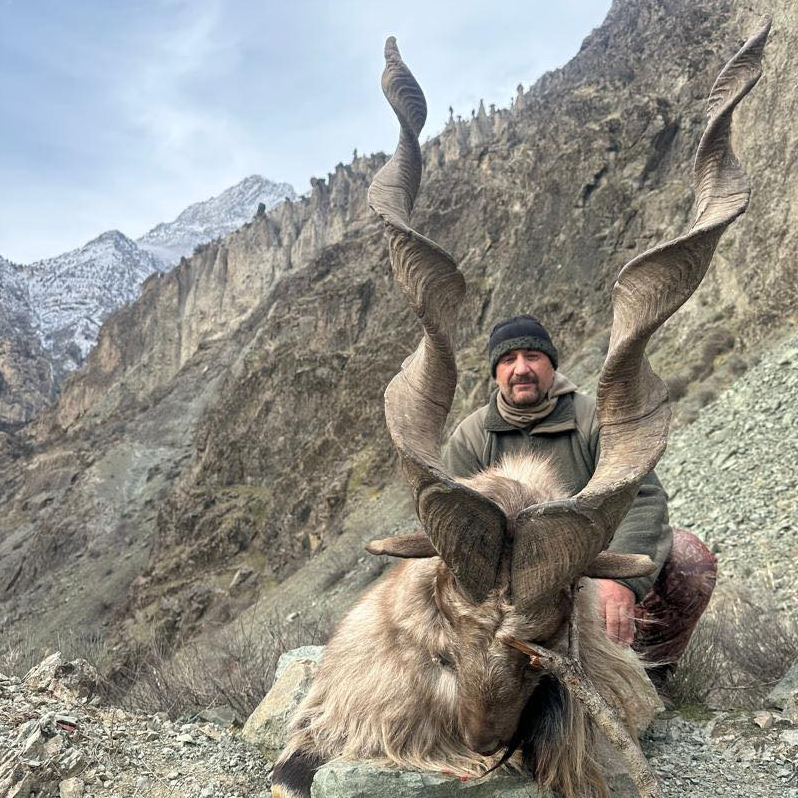
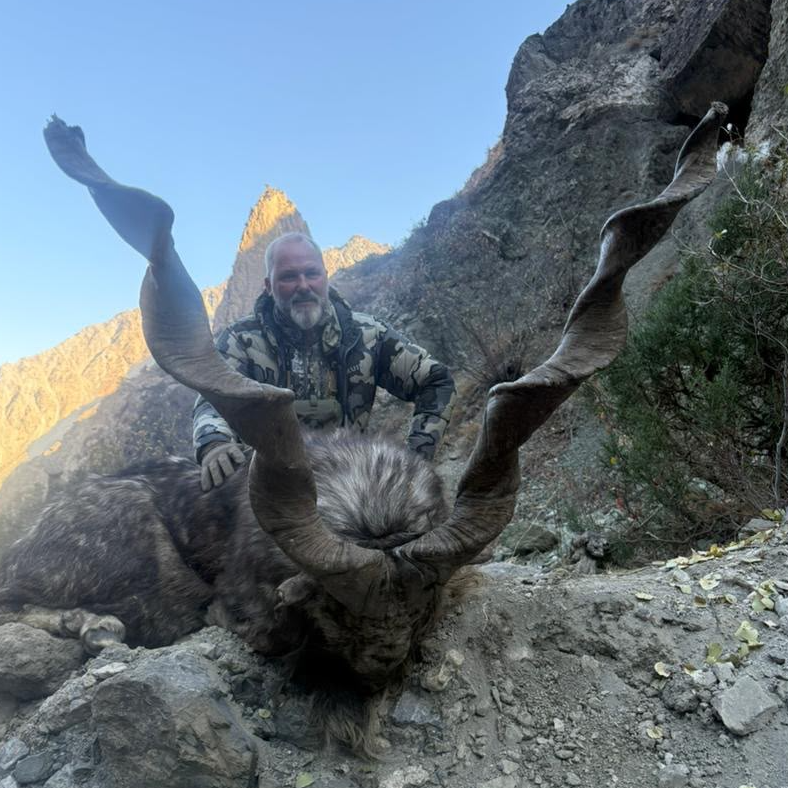
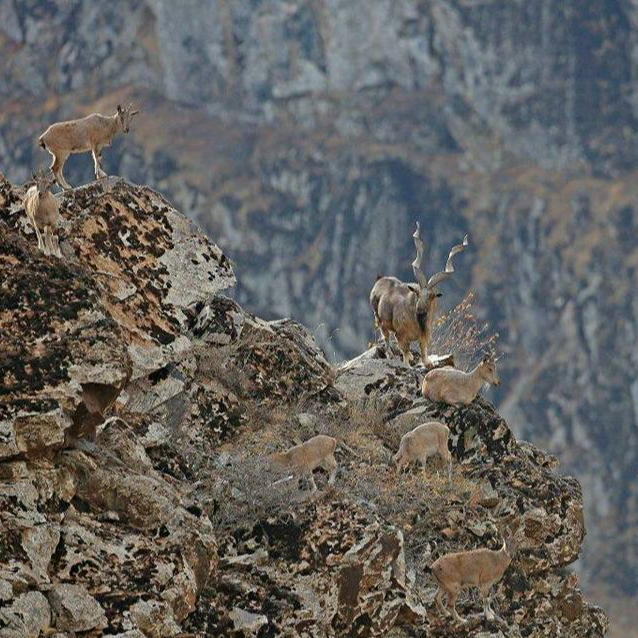
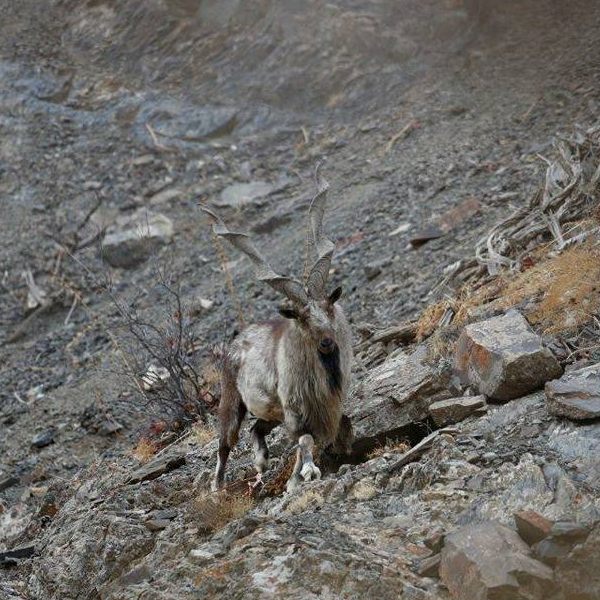
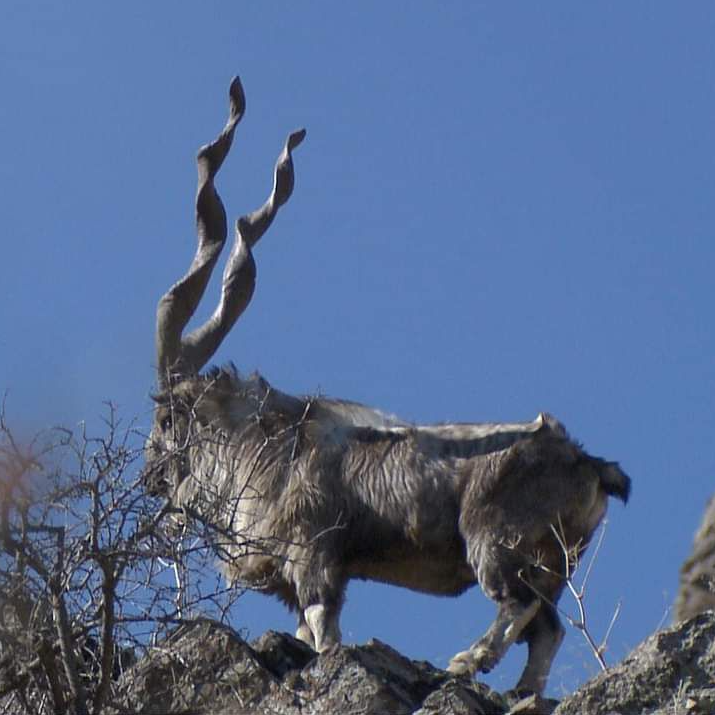
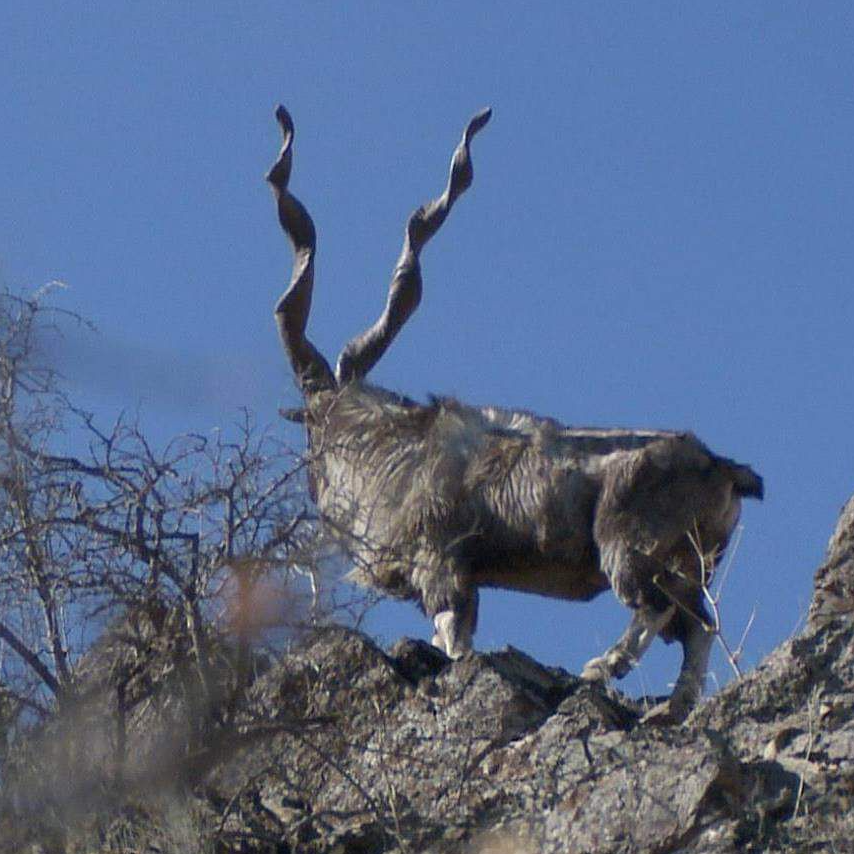
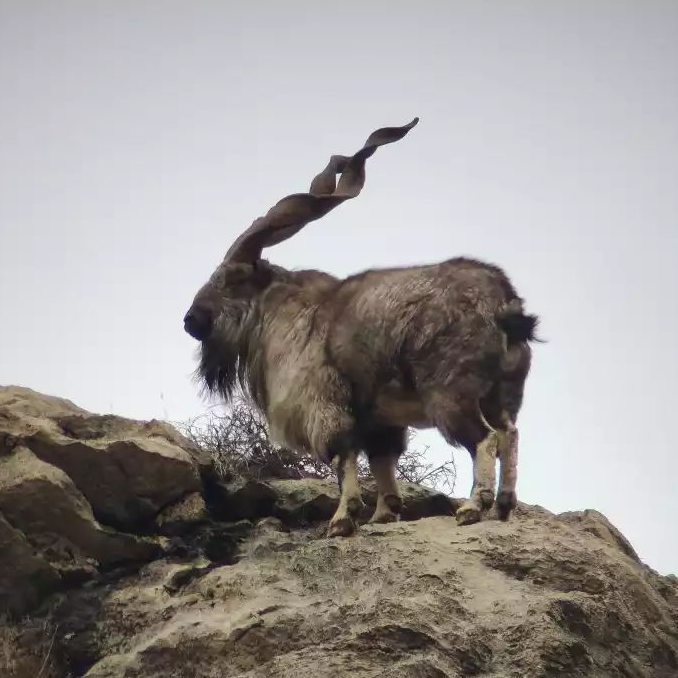
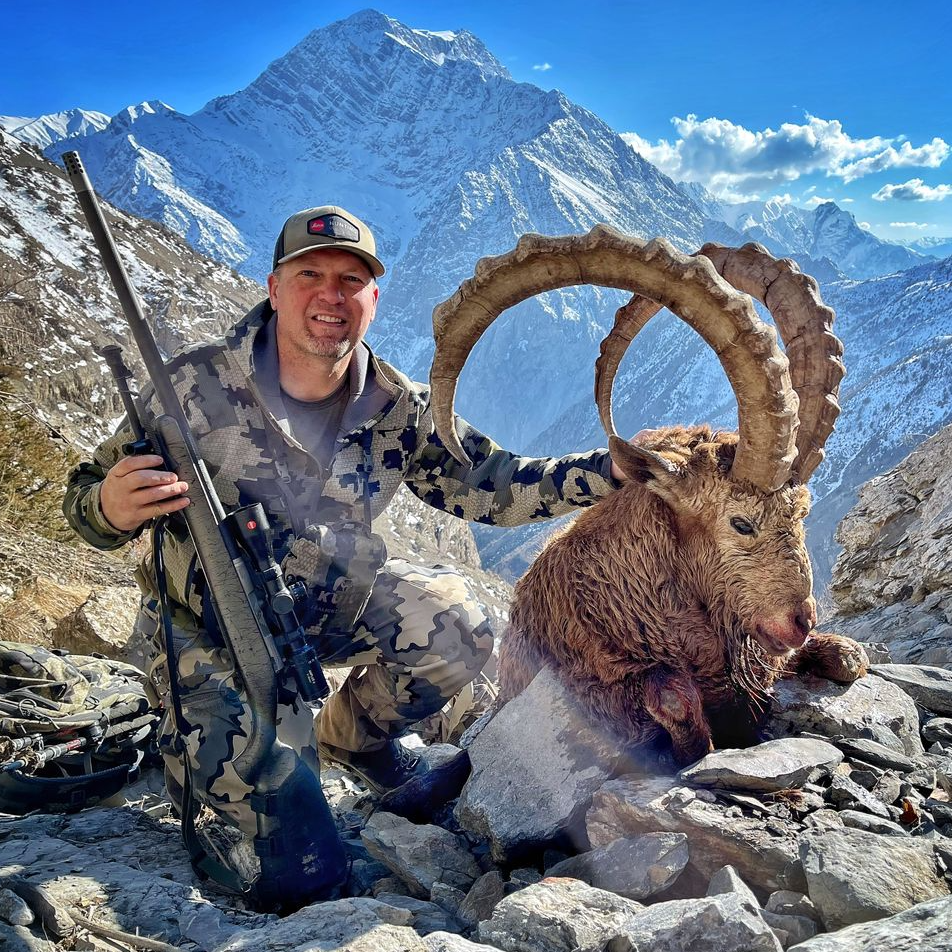
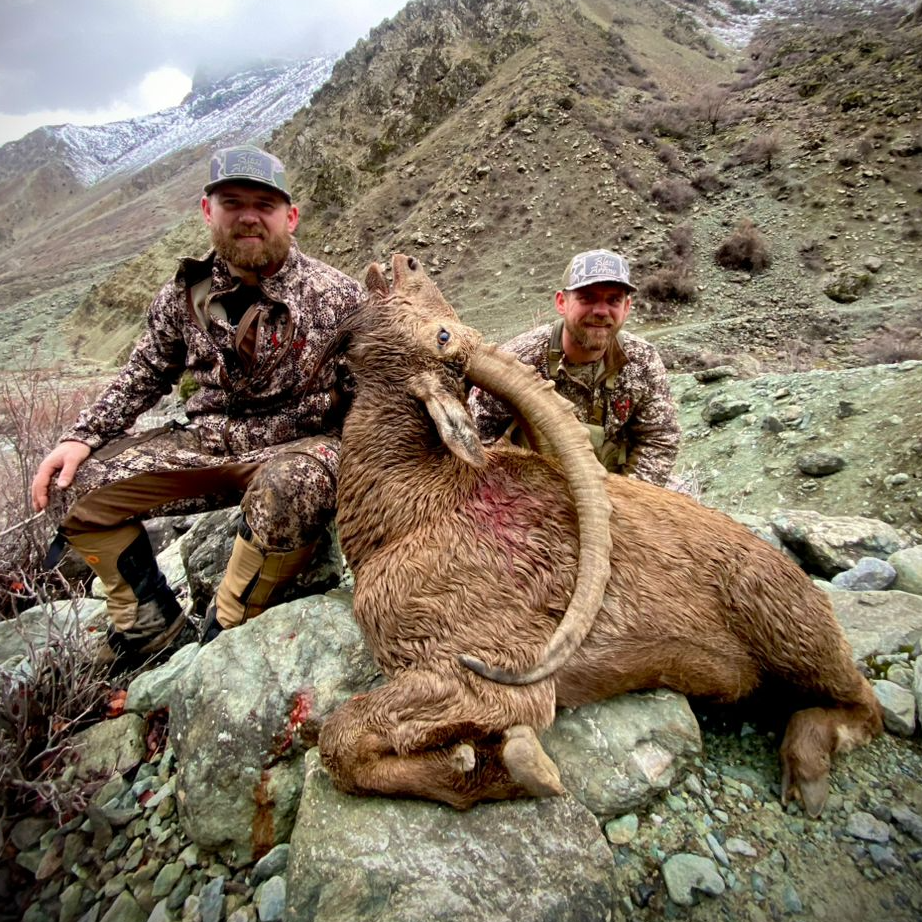
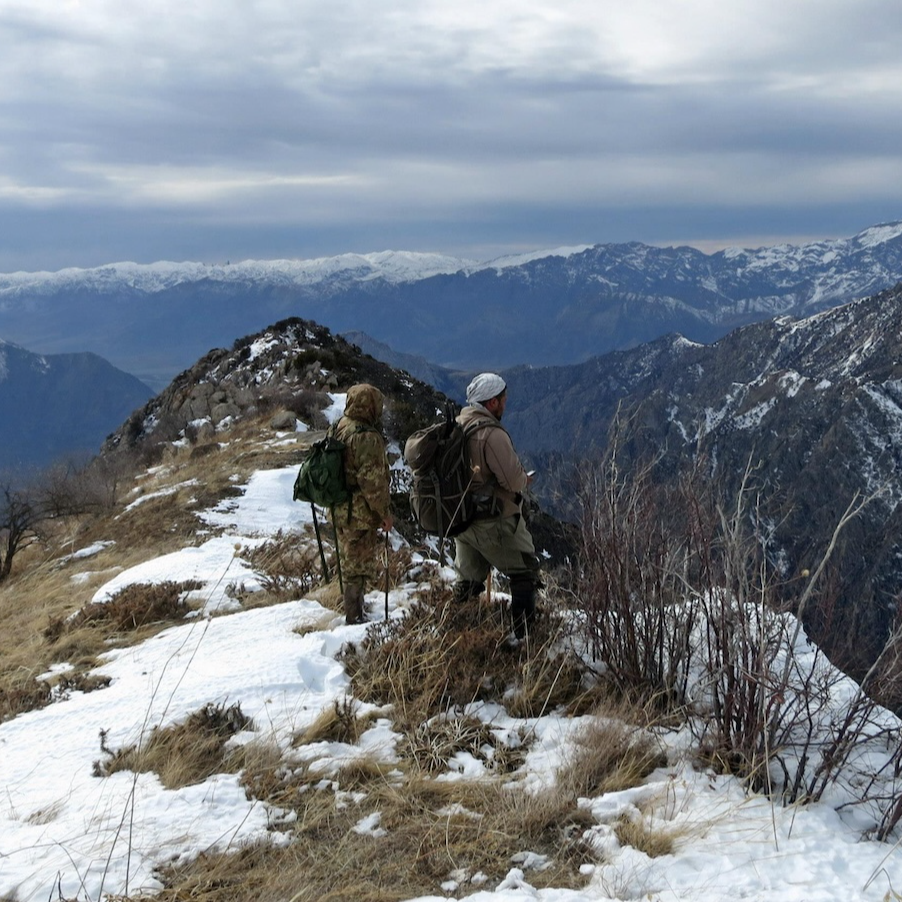
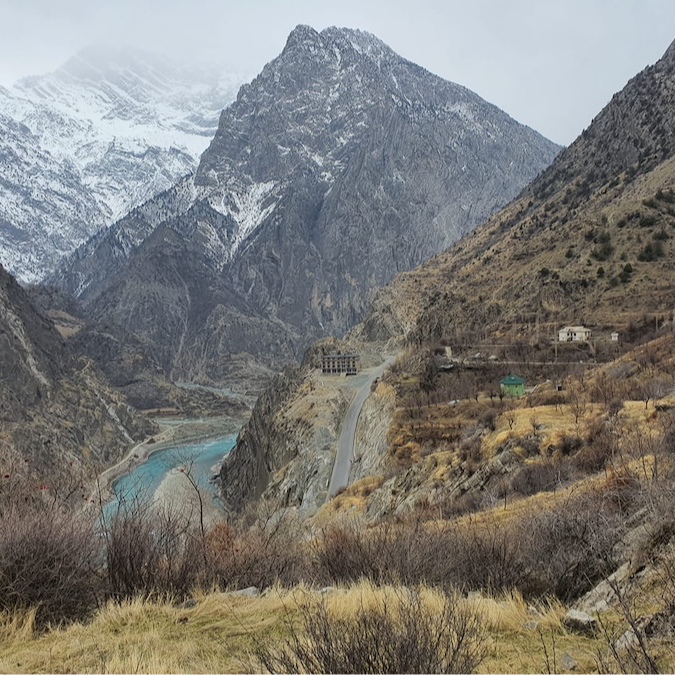
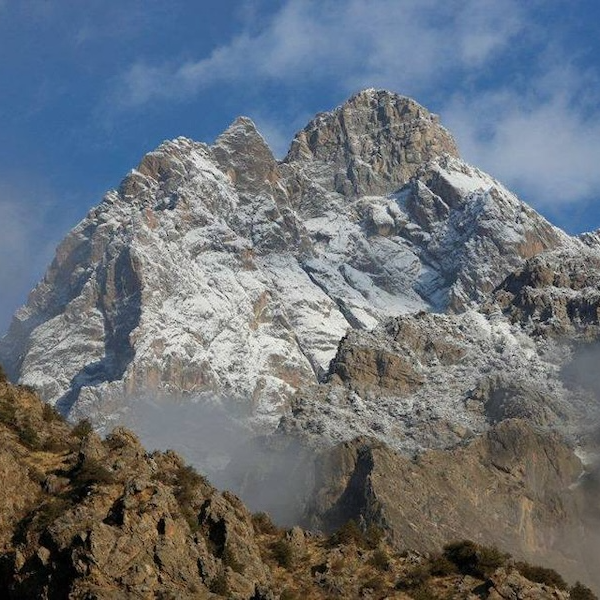
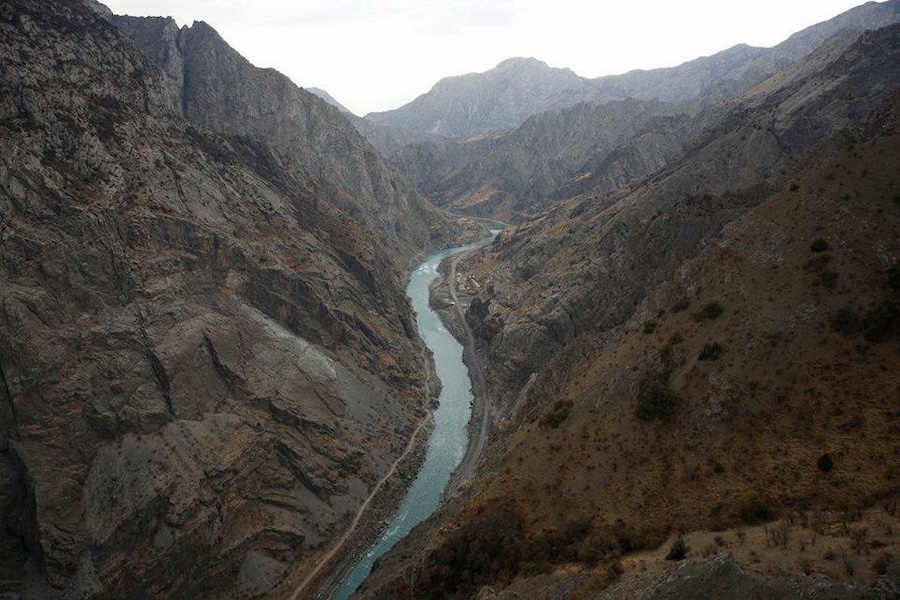
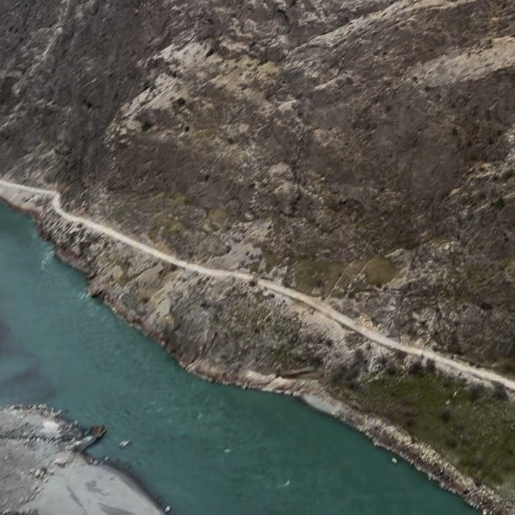
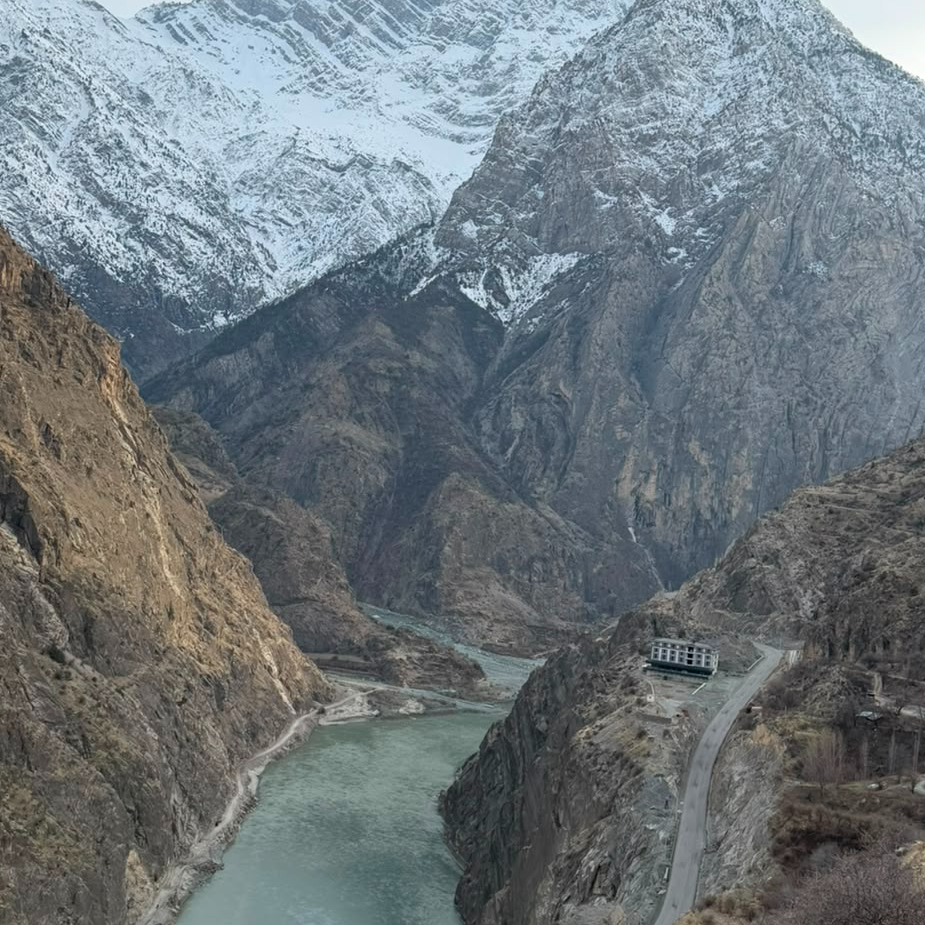
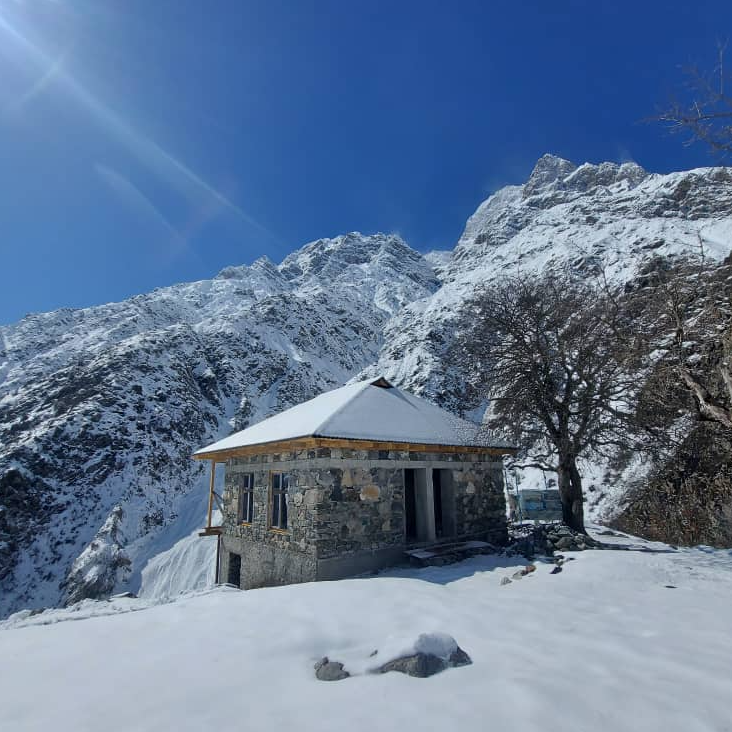
Bukharan markhor hunts take place in spectacular and extremely rugged mountain country characterized by steep rocky slopes, cliffs, scree fields, deep valleys, and potentially snow-covered terrain depending on the time of year. Although portions of the hunting area can be relatively low in elevation compared to many other Asian mountain hunts, hunters should not underestimate the physical demands of this hunt. Steep terrain, long days in the field, and potentially lengthy stalks make good physical conditioning extremely important.
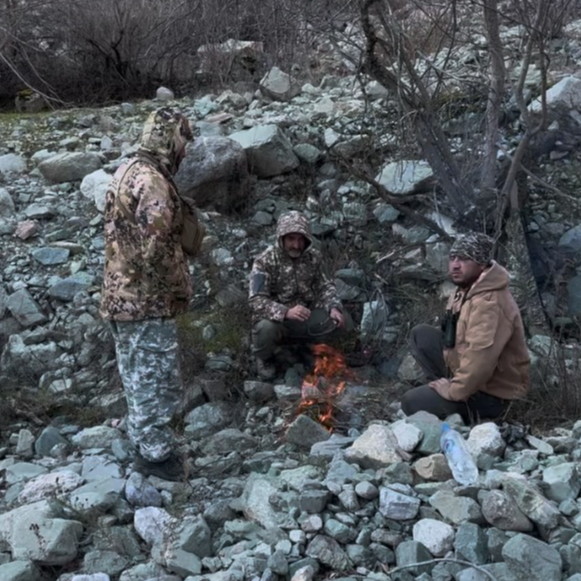
A typical hunting day may begin well before daylight, with hunters traveling on foot through valleys and mountain terrain for one to three hours before reaching productive glassing locations. Guides will then spend considerable time carefully searching surrounding slopes, cliffs, and rocky faces for mature markhor. Once a desirable billy is located, the guide and hunter will evaluate the terrain and develop a stalk that may involve significant elevation changes and travel through steep, broken country.
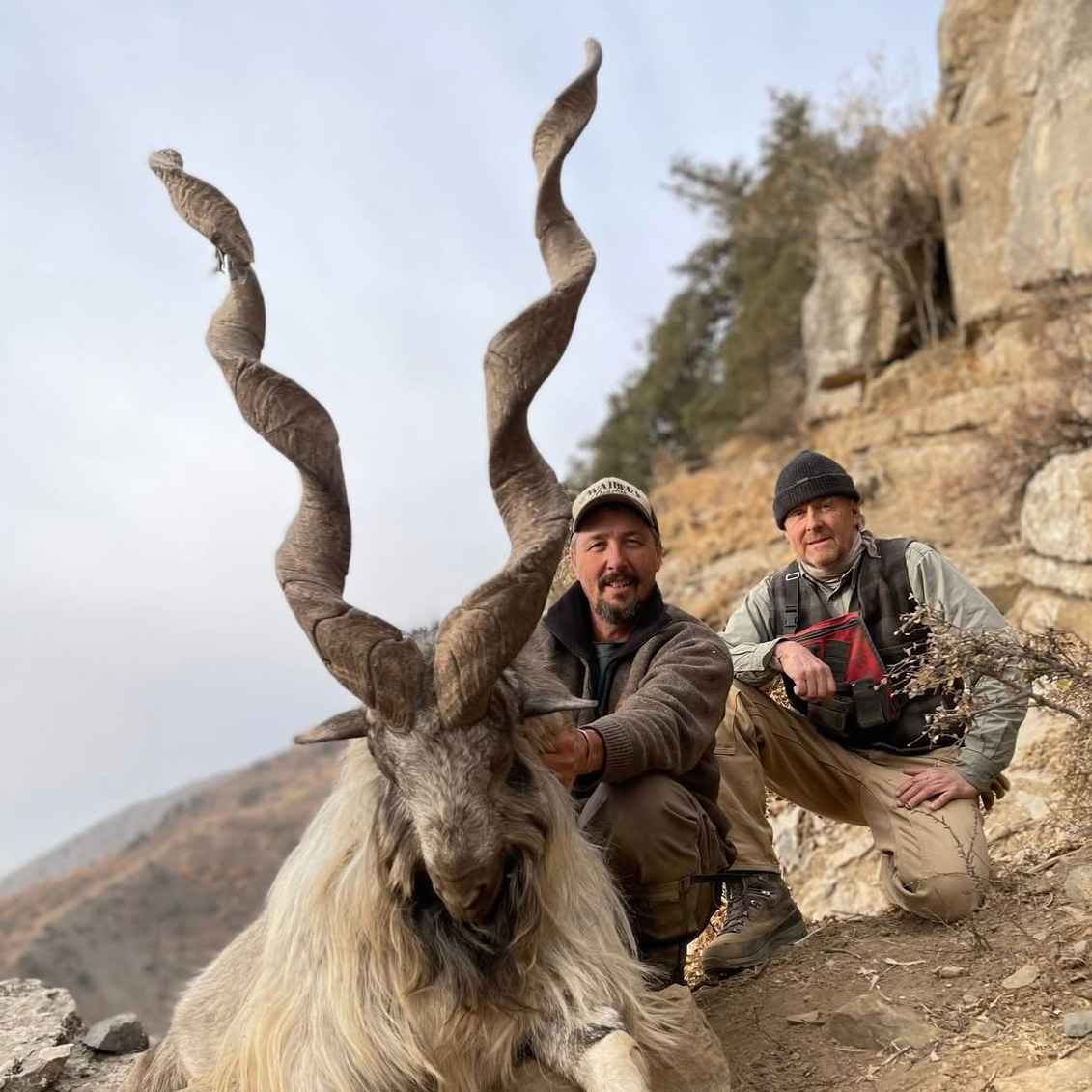
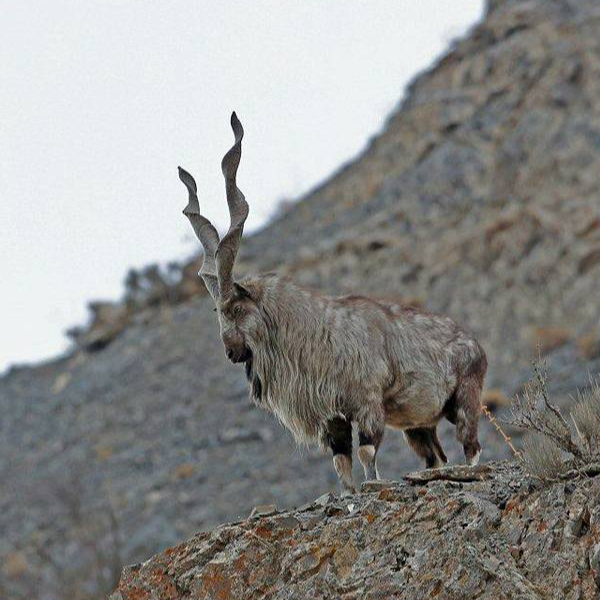
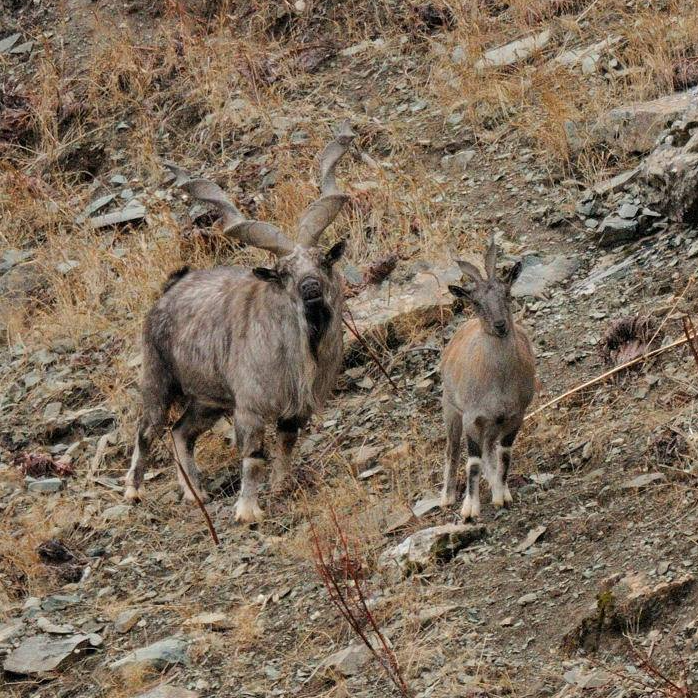
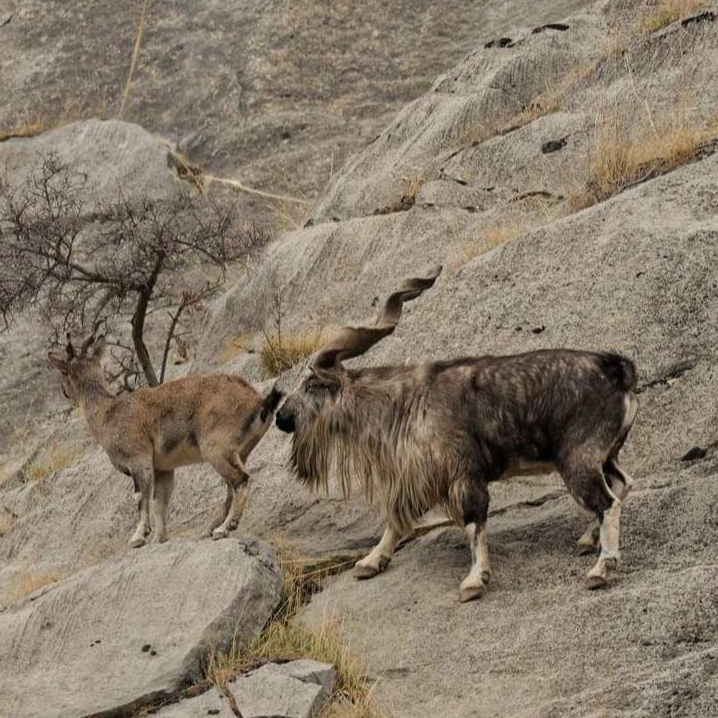
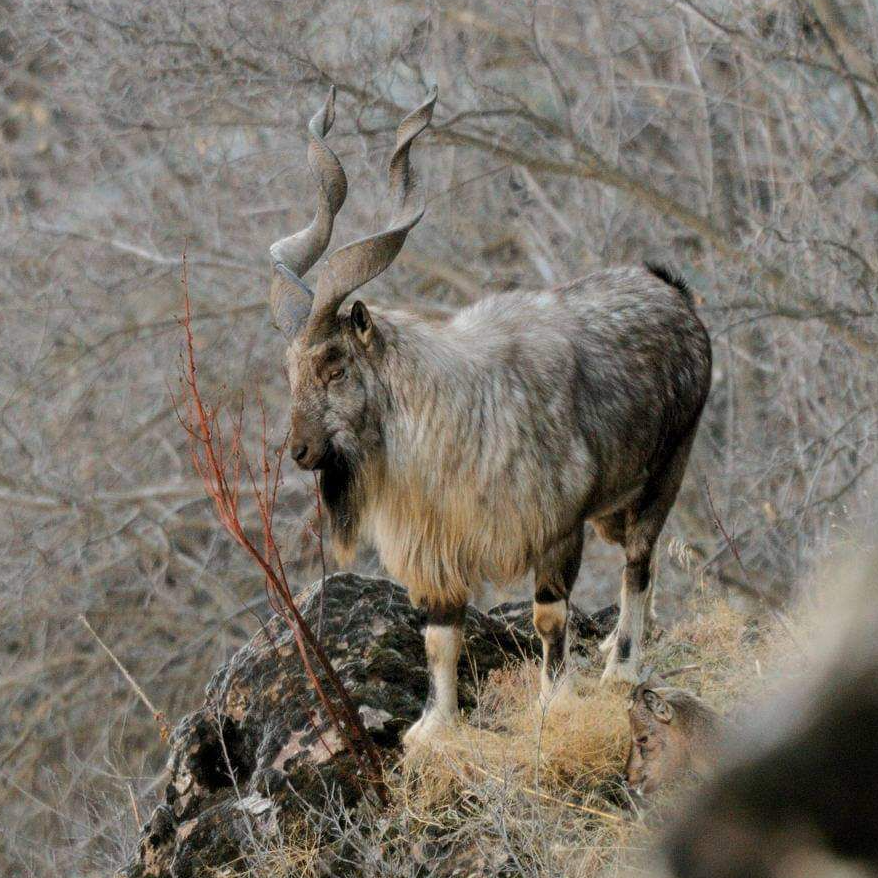
One of the greatest strengths of this hunt is the healthy markhor population found throughout the concession. Independent surveys have documented hundreds of animals, with the population increasing substantially over time. Hunters have reported seeing large numbers of markhor during individual glassing sessions, including groups containing mature trophy-class males. The concession is large enough to allow hunting pressure to be distributed throughout different portions of the property rather than repeatedly concentrating hunters in the same locations.
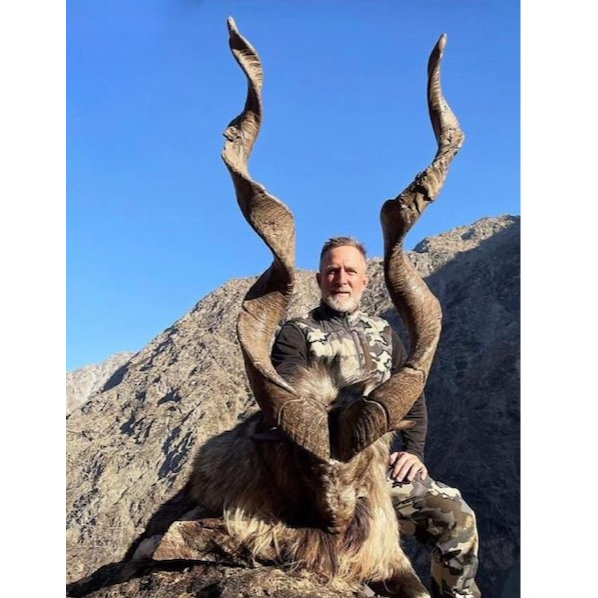
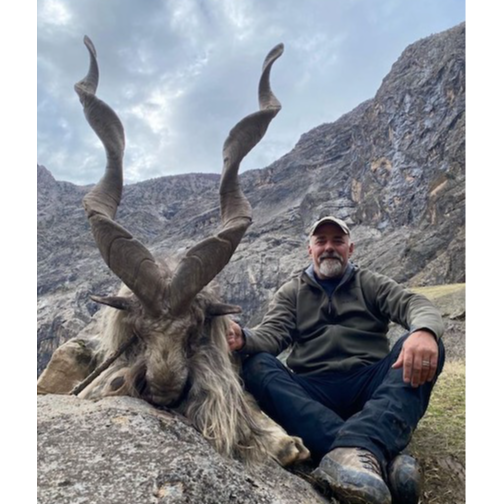
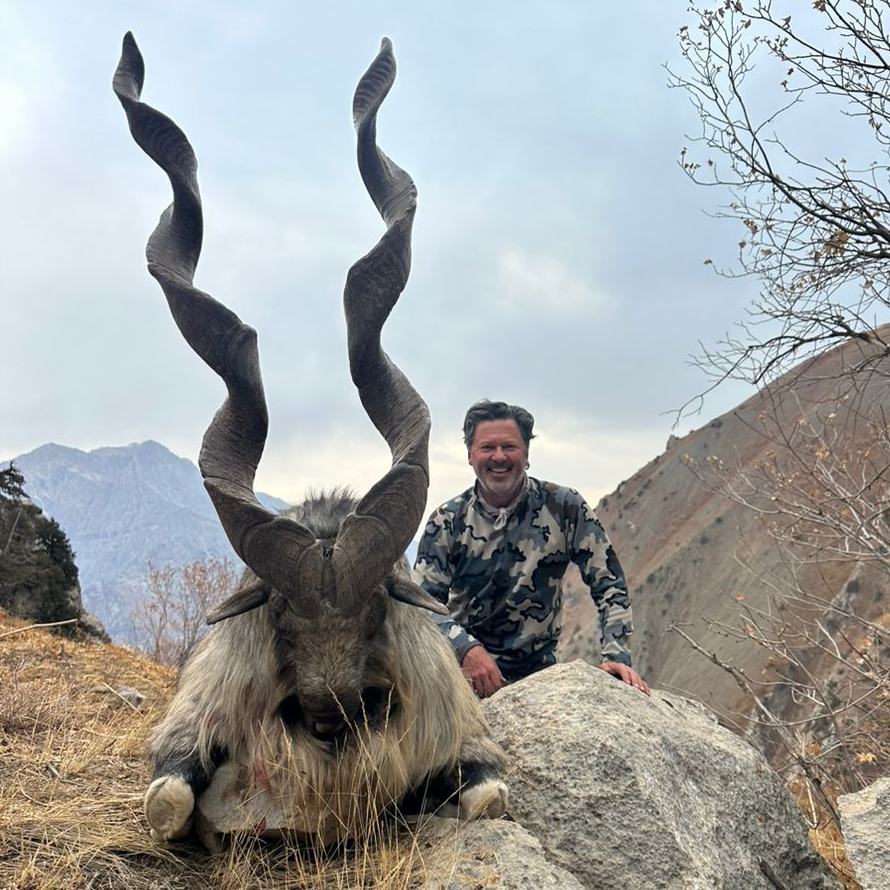
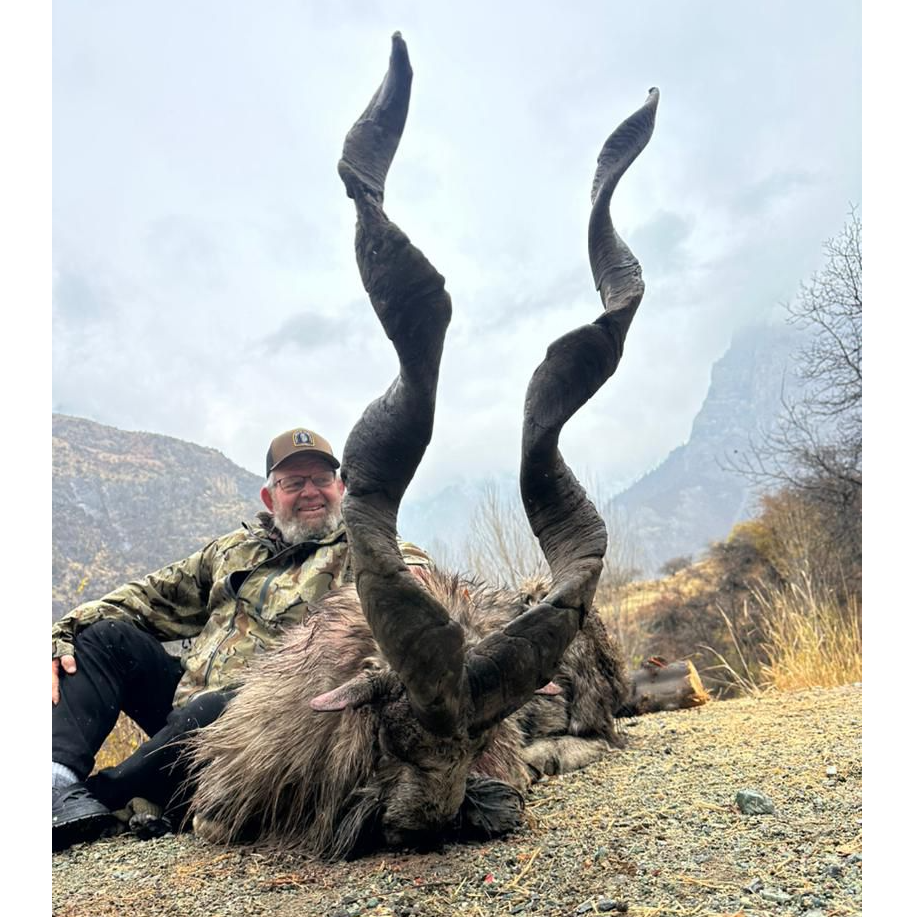
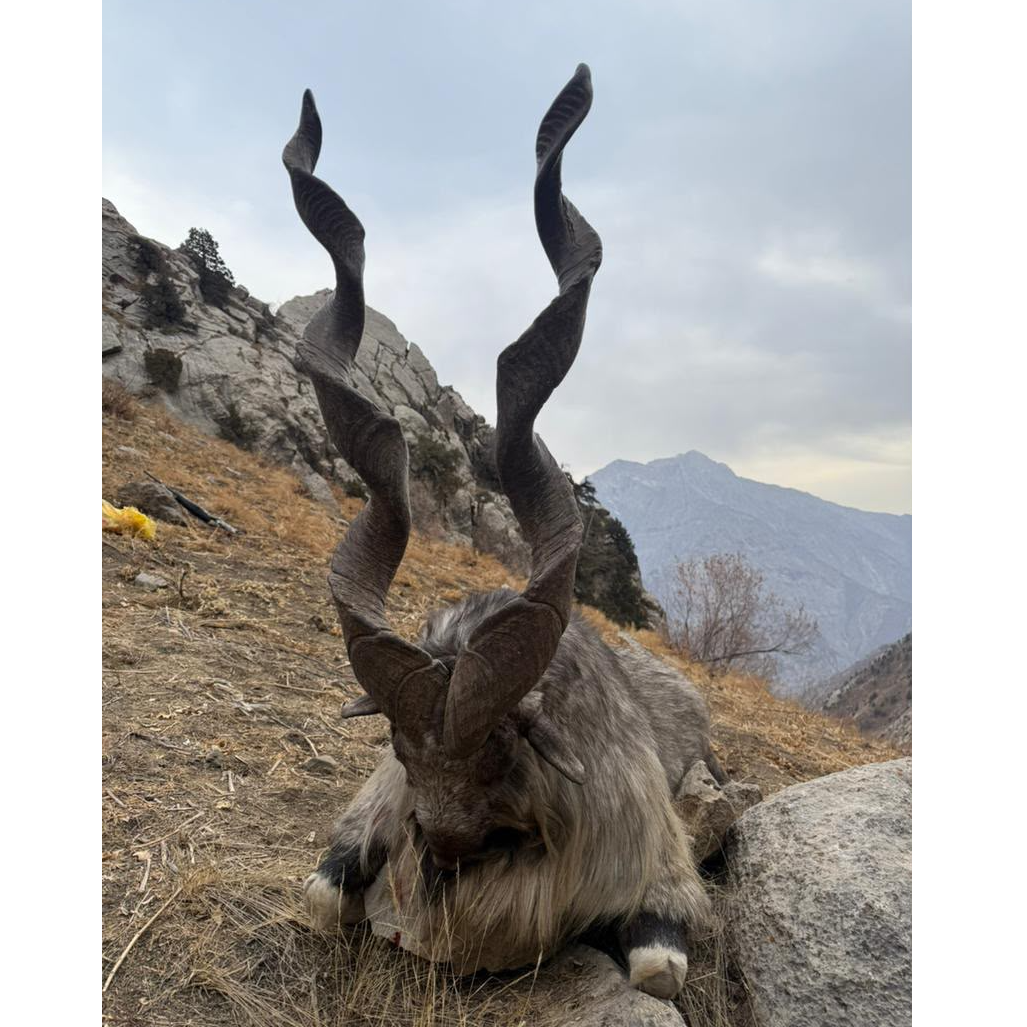
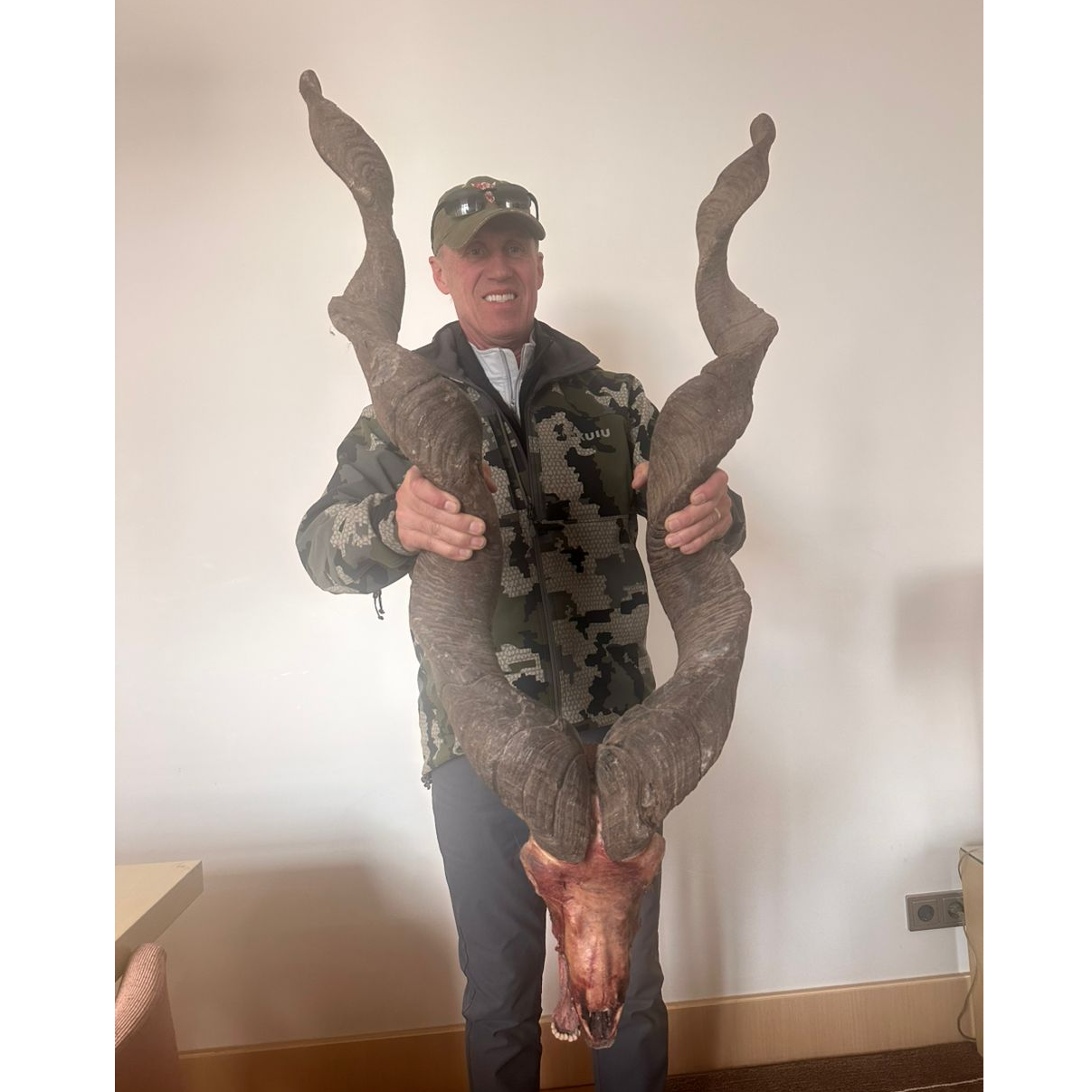
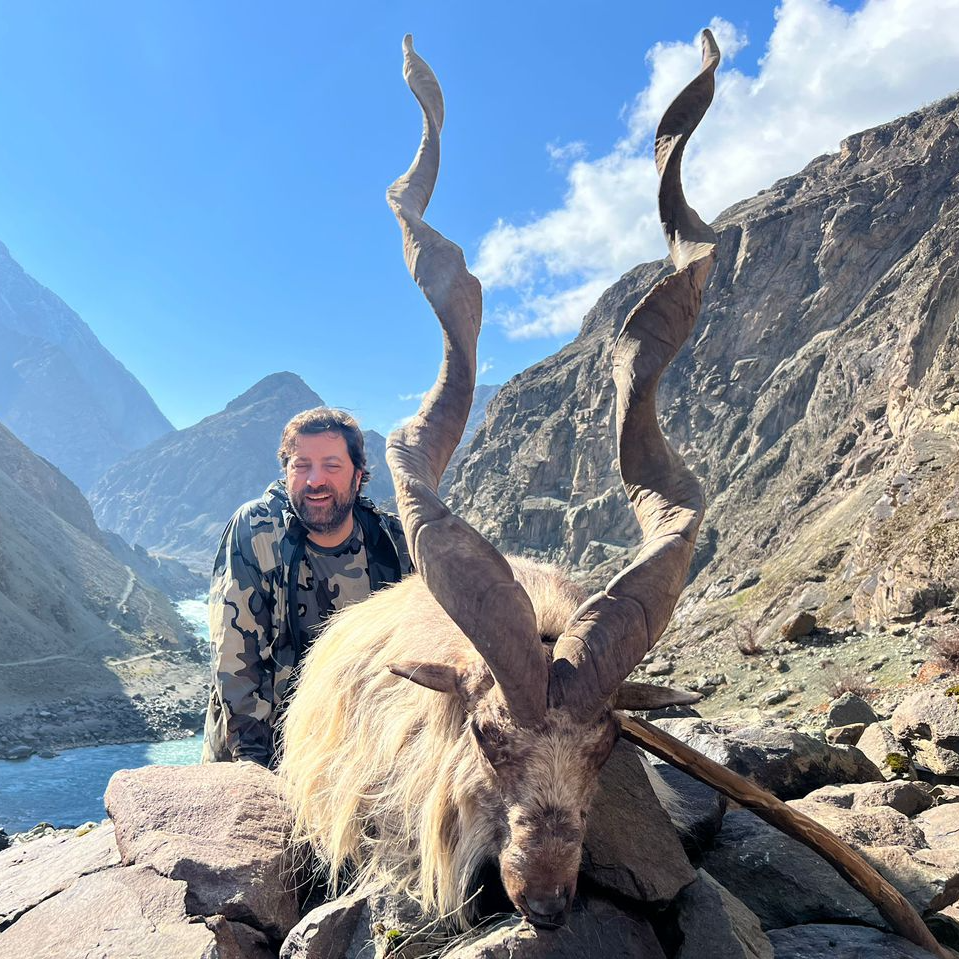
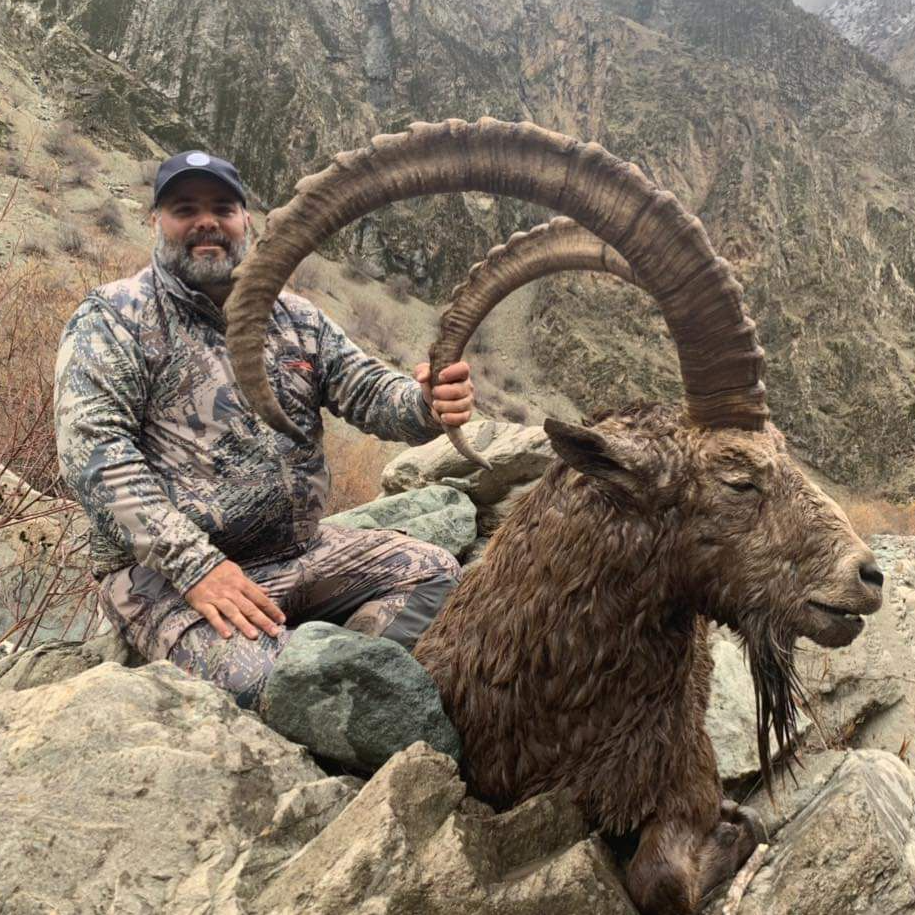
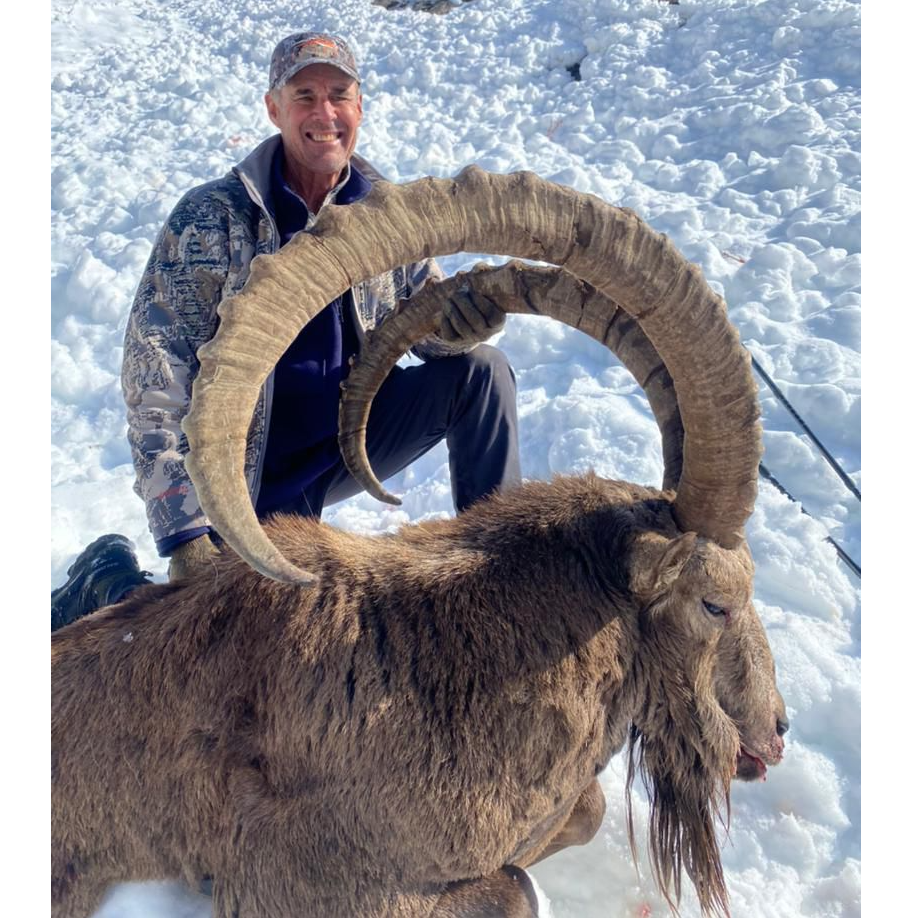
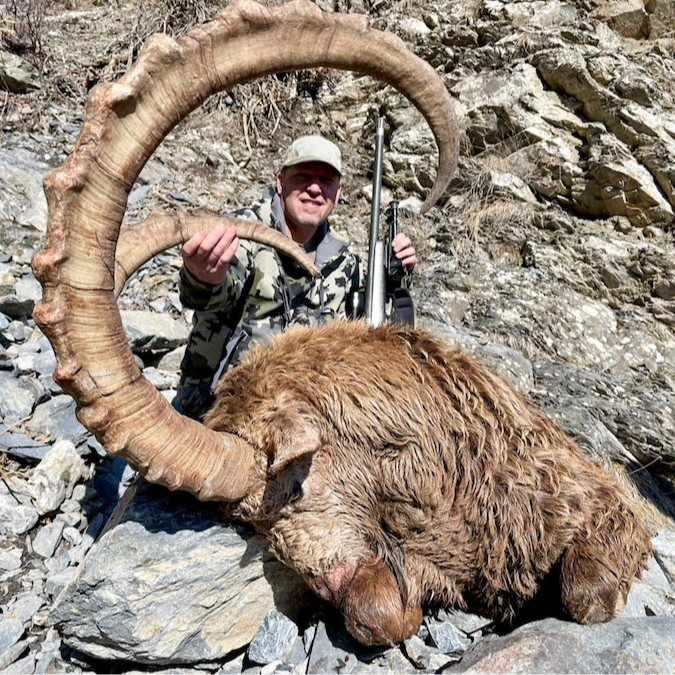
The area also has an exceptional history of producing mature Bukharan markhor, including animals that have ranked extremely well in recognized trophy-record systems. While trophy quality will always vary from hunt to hunt, hunters can expect the guides to spend considerable time evaluating multiple animals whenever conditions allow before pursuing a mature billy.
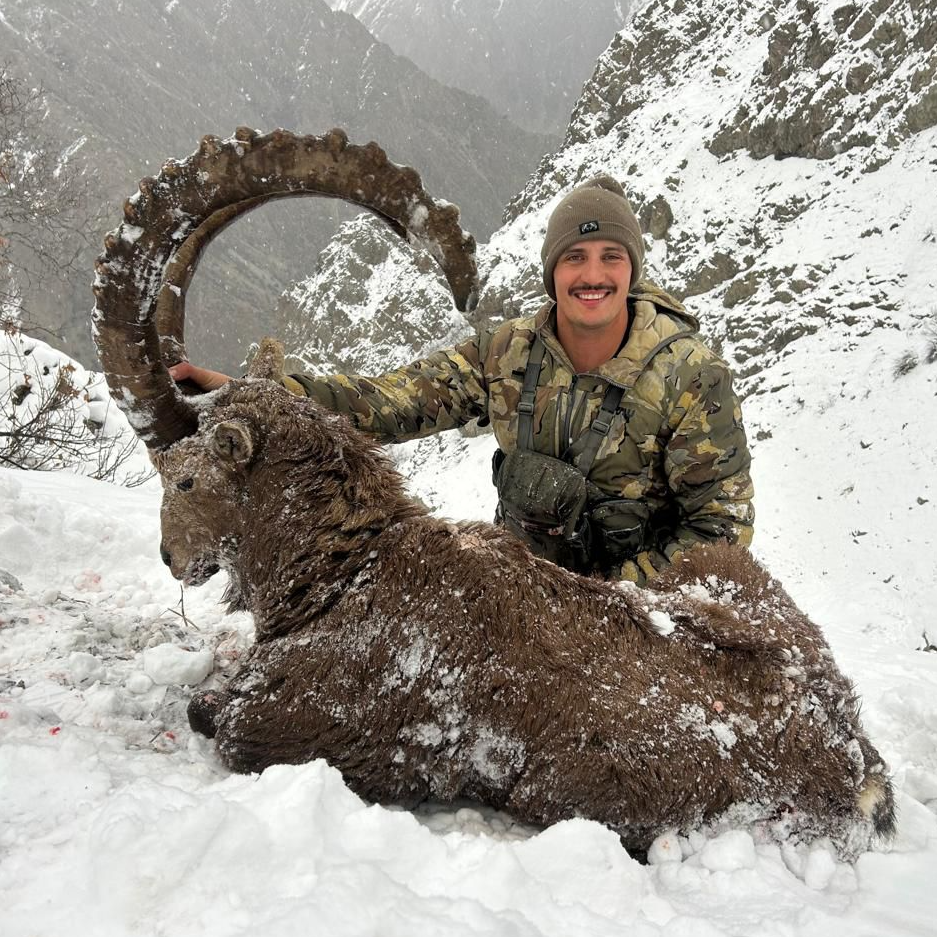
Seasonal conditions can have a major influence on the hunt. Snowfall, temperatures, breeding activity, and available forage may move markhor between higher mountain terrain and considerably lower elevations. Later winter hunts can provide unique opportunities when mature males move into lower country, while other periods may require more demanding climbing and longer stalks.
This is a true spot-and-stalk mountain hunt conducted primarily on foot. Hunters should arrive prepared for extensive glassing, steep climbs, challenging shooting positions, and variable mountain weather. Shots can vary considerably depending on terrain, so hunters should be comfortable shooting accurately from field positions and at the longer distances commonly encountered on international mountain hunts.
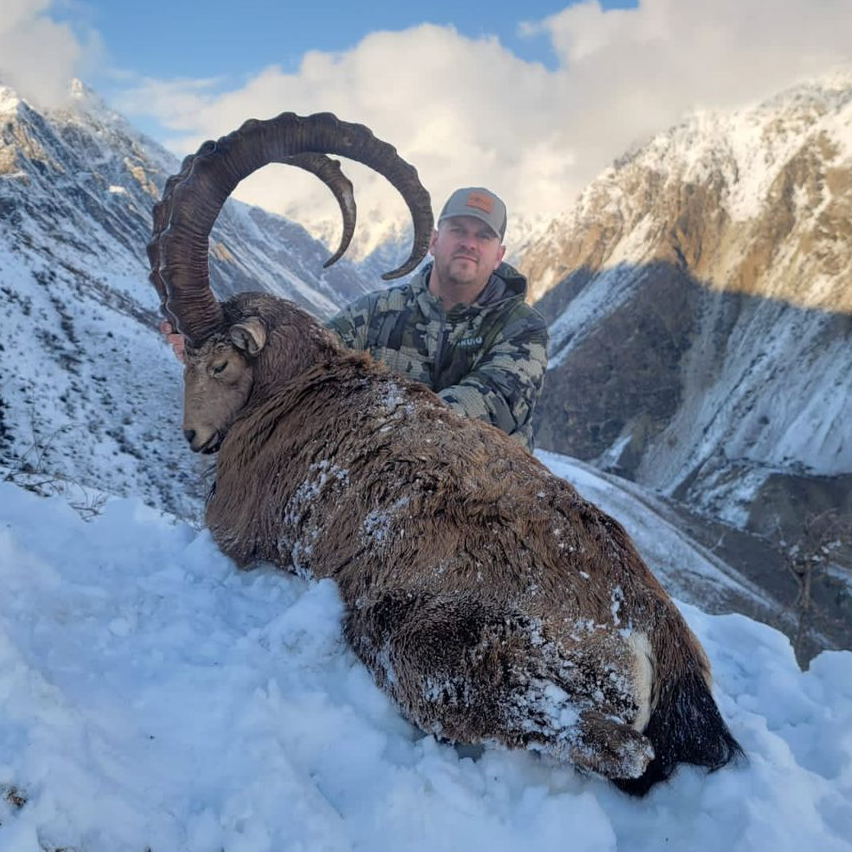
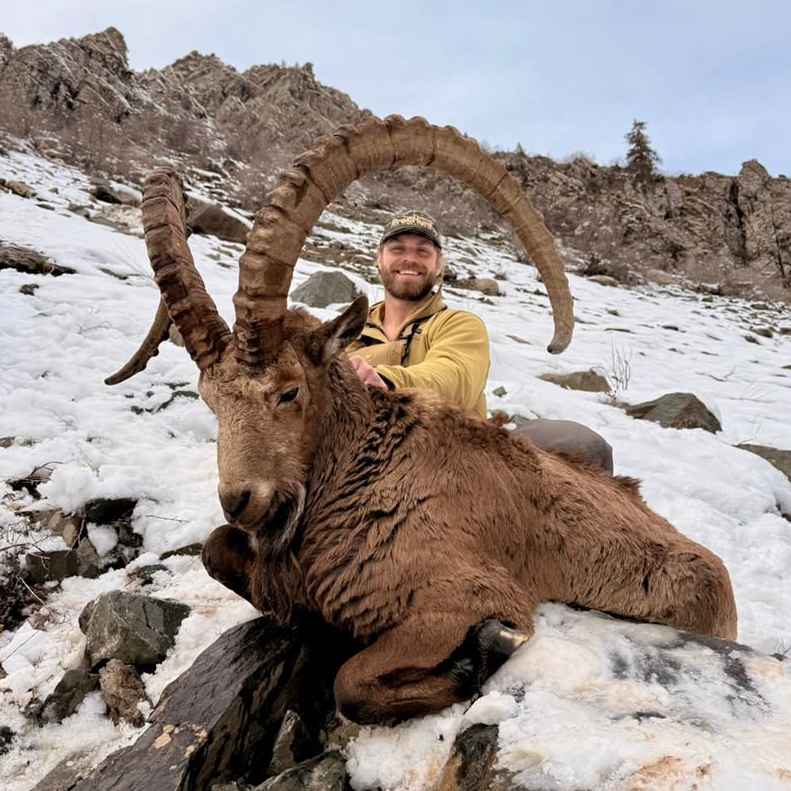
Bukharan ibex may also be encountered within the concession, and combination opportunities may be available depending on current quotas, hunt arrangements, and licensing. The combination of a strong markhor population, proven trophy history, experienced local guides, and decades of wildlife management makes this a premier Central Asian mountain hunting experience.
ACCOMMODATIONS:
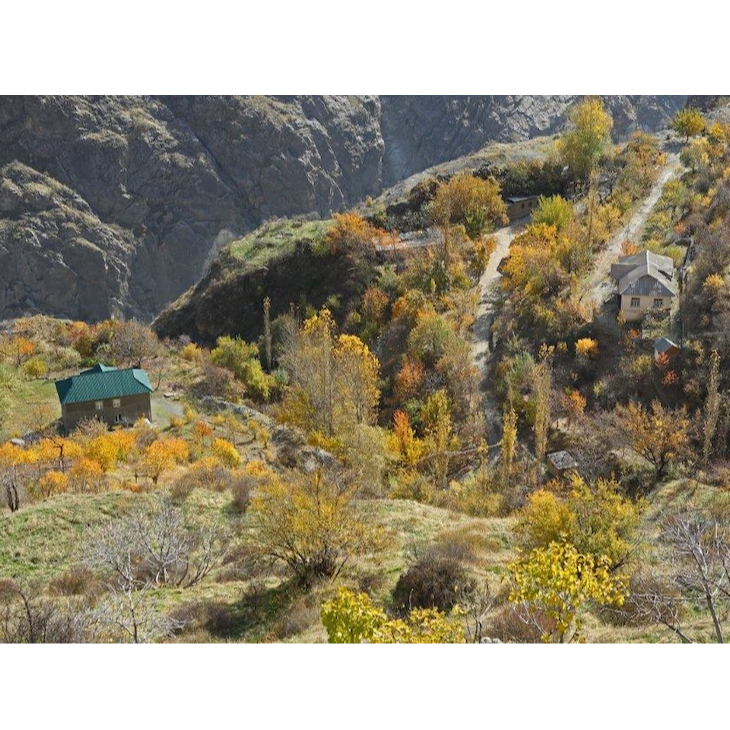
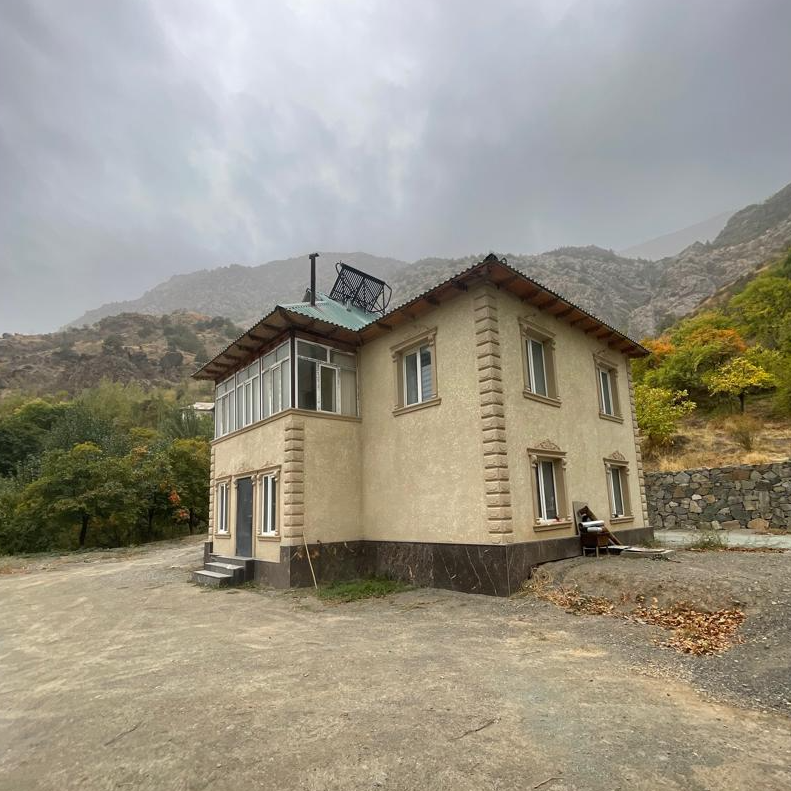
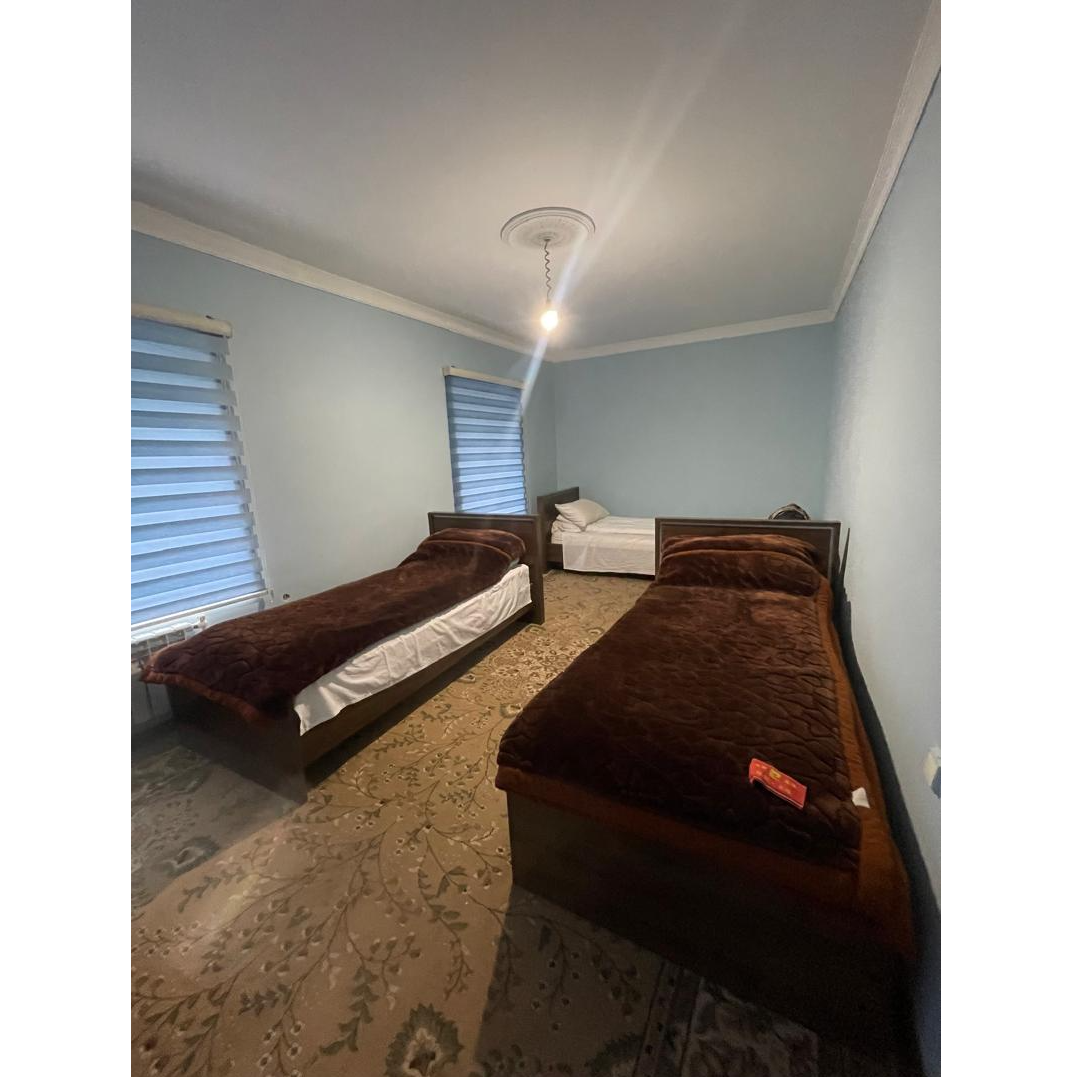
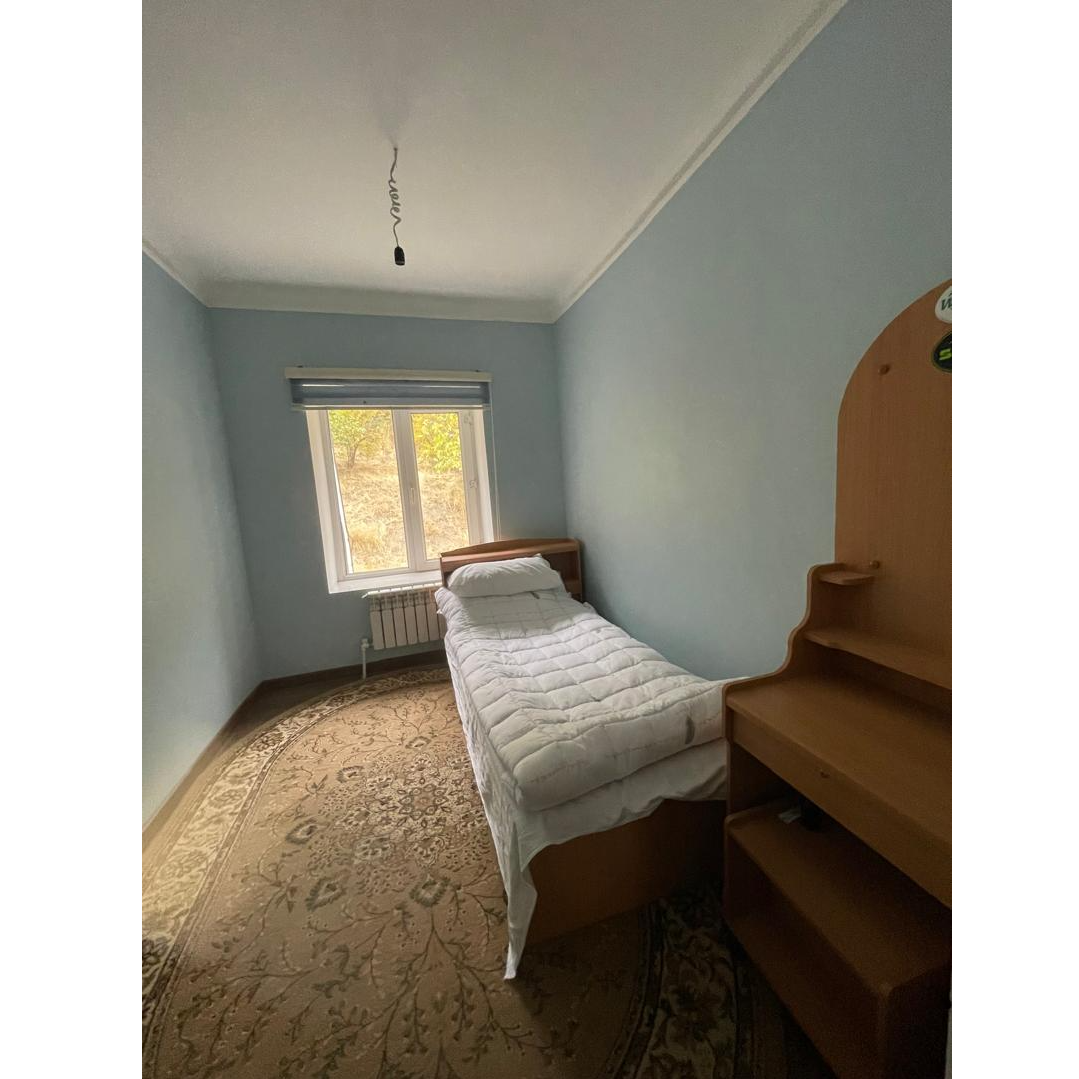
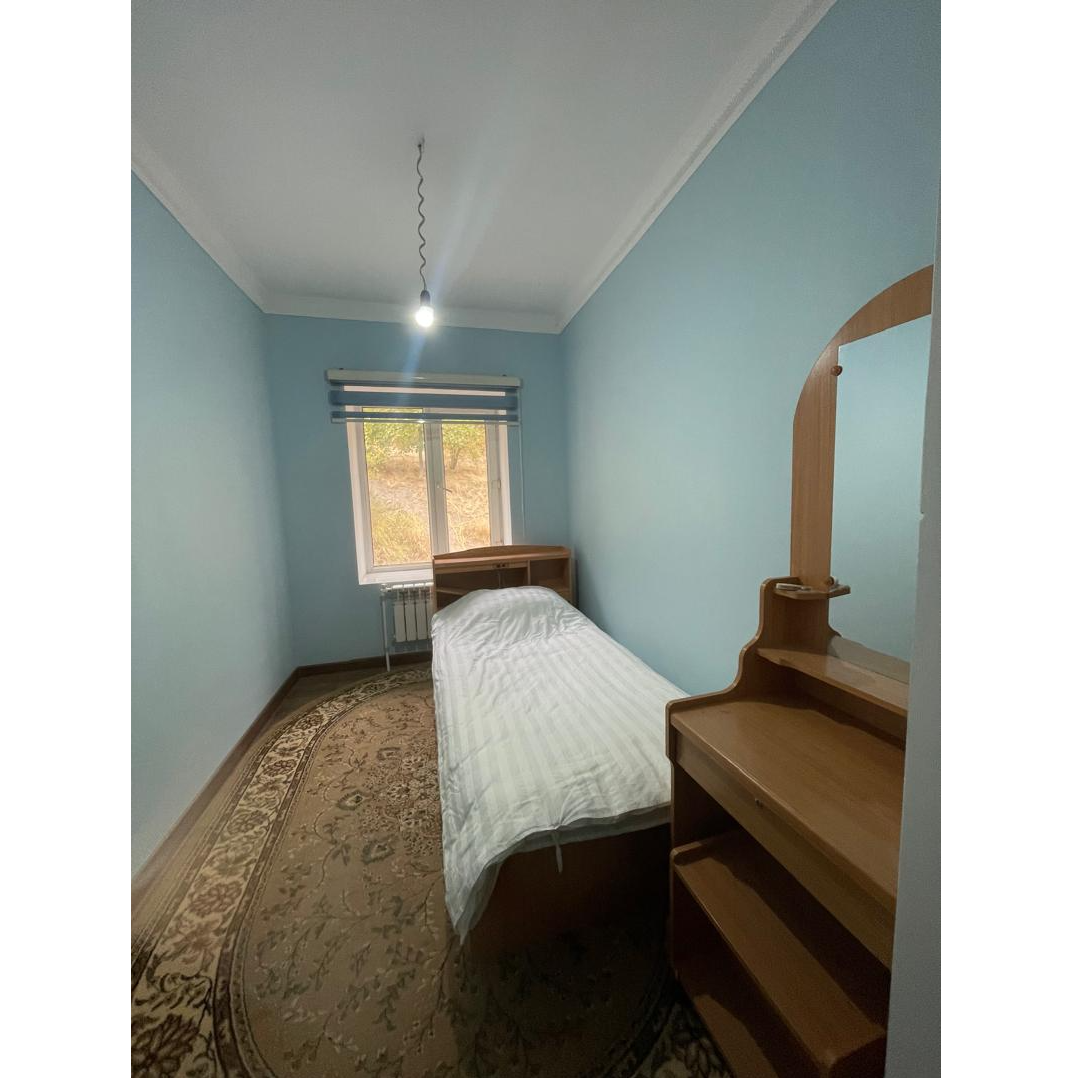
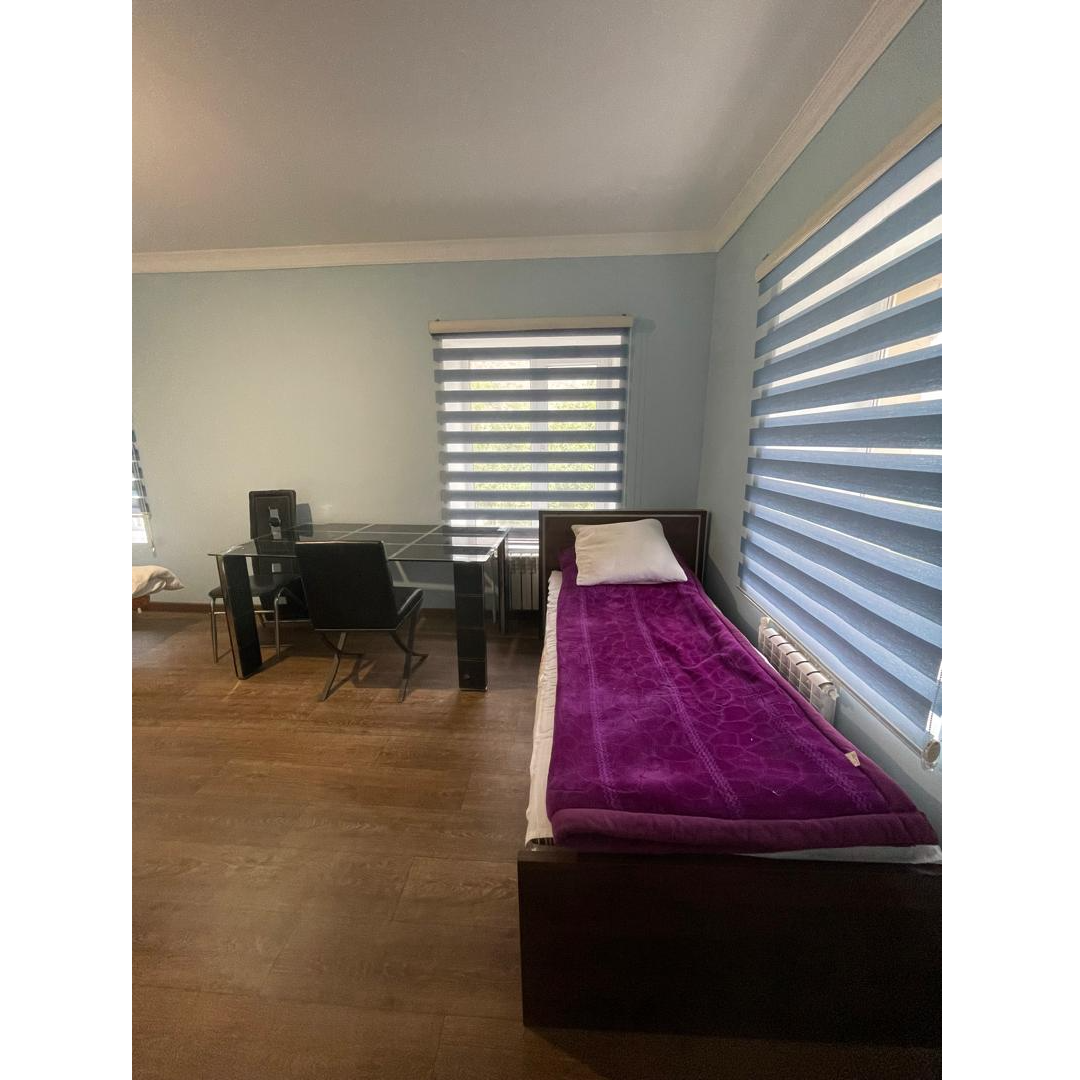
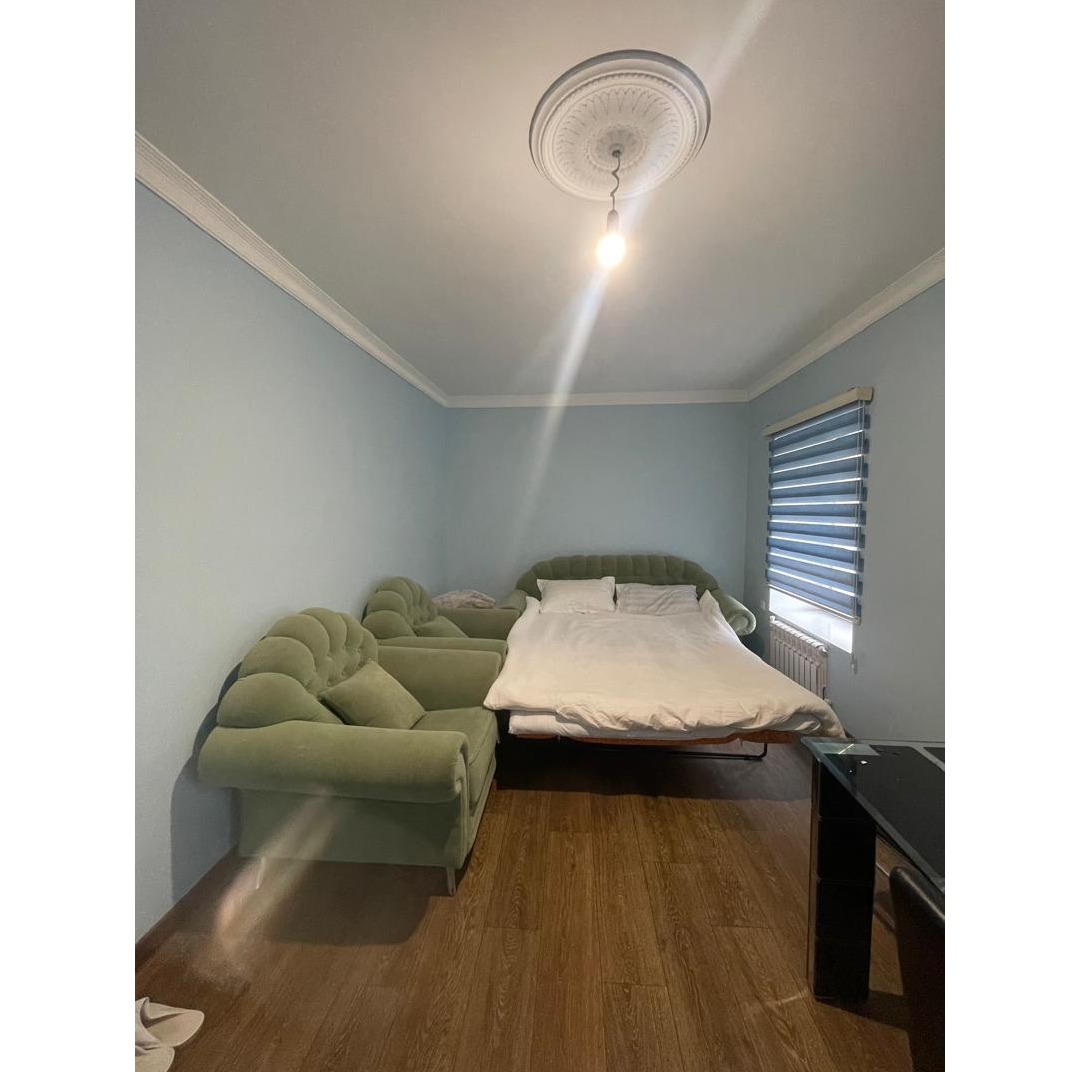
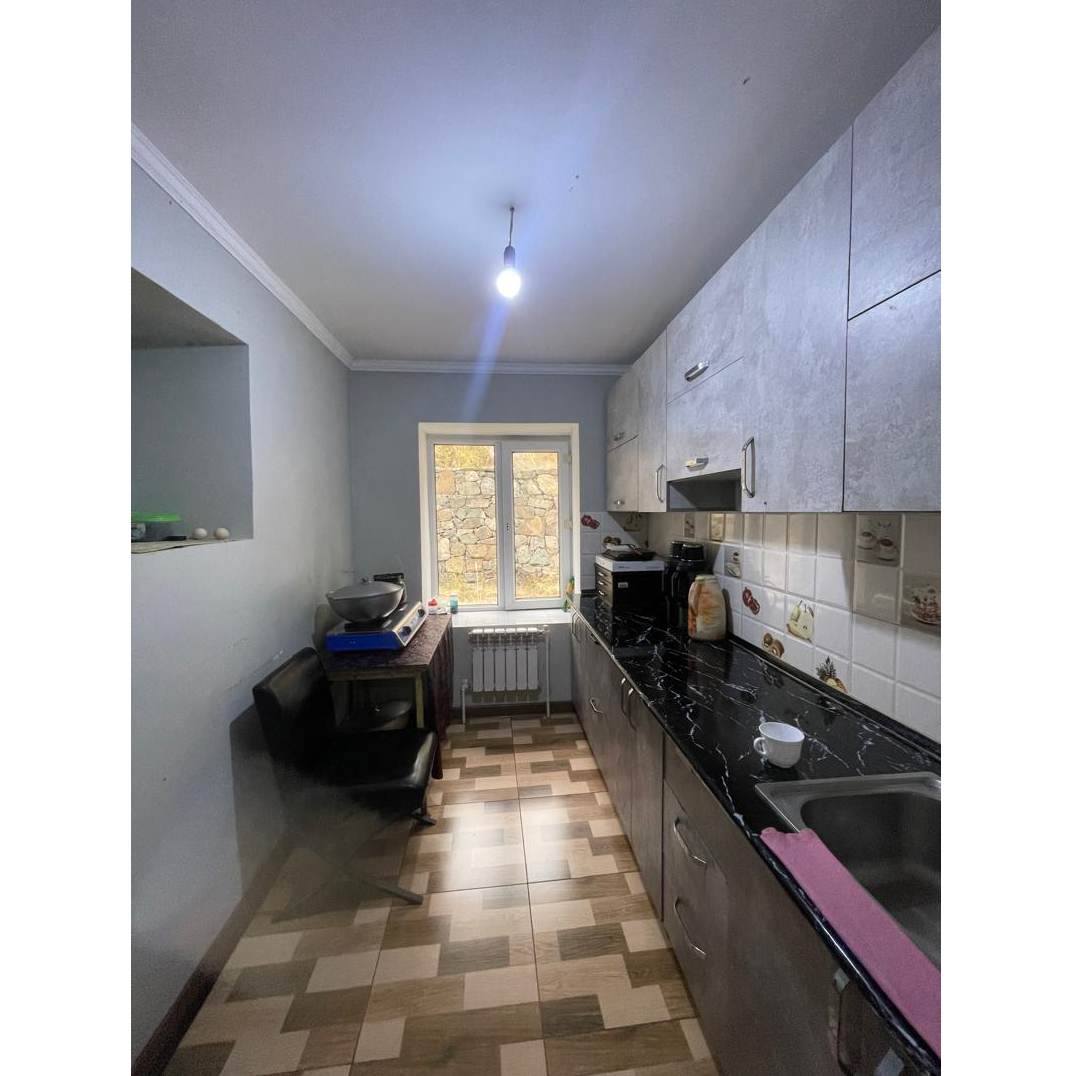
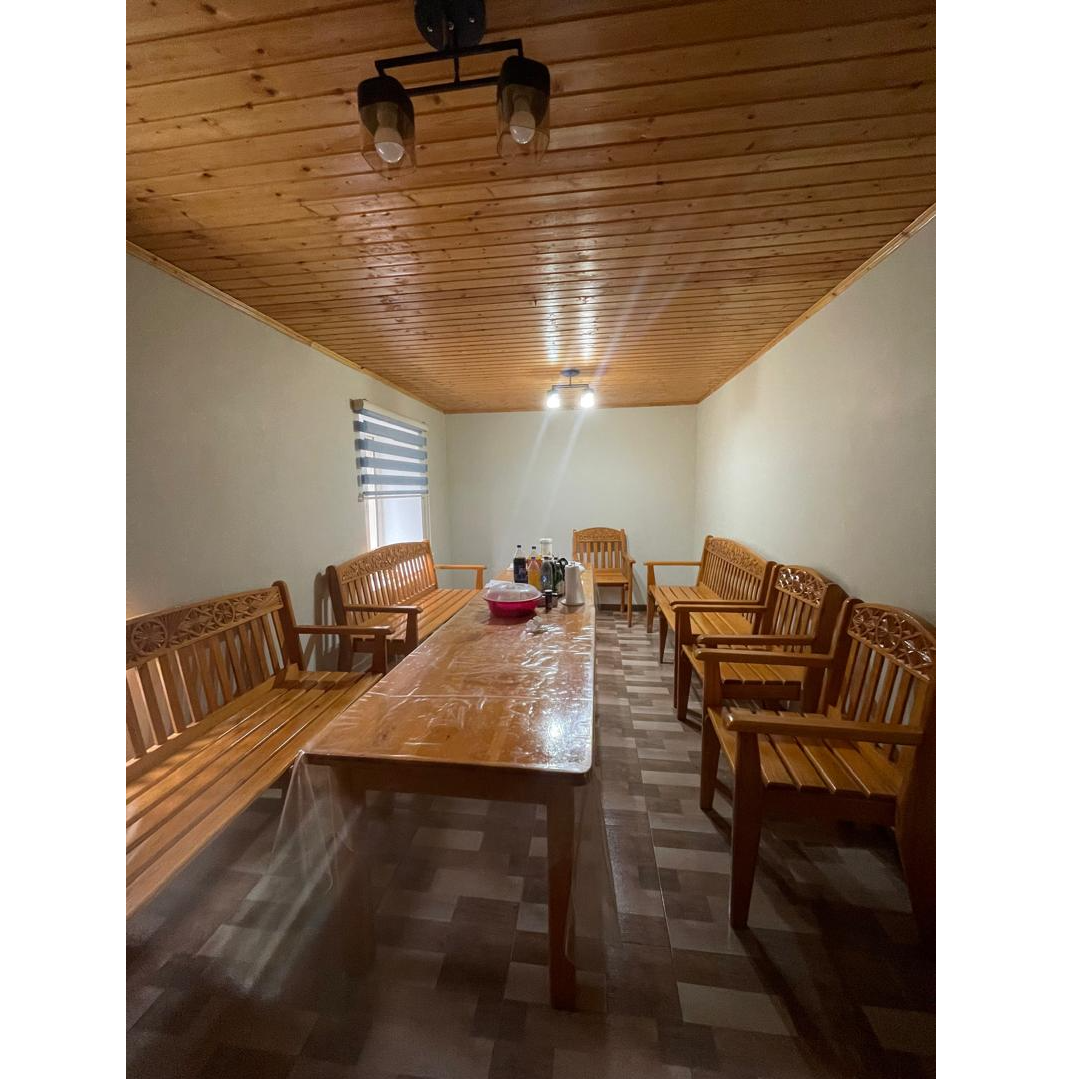
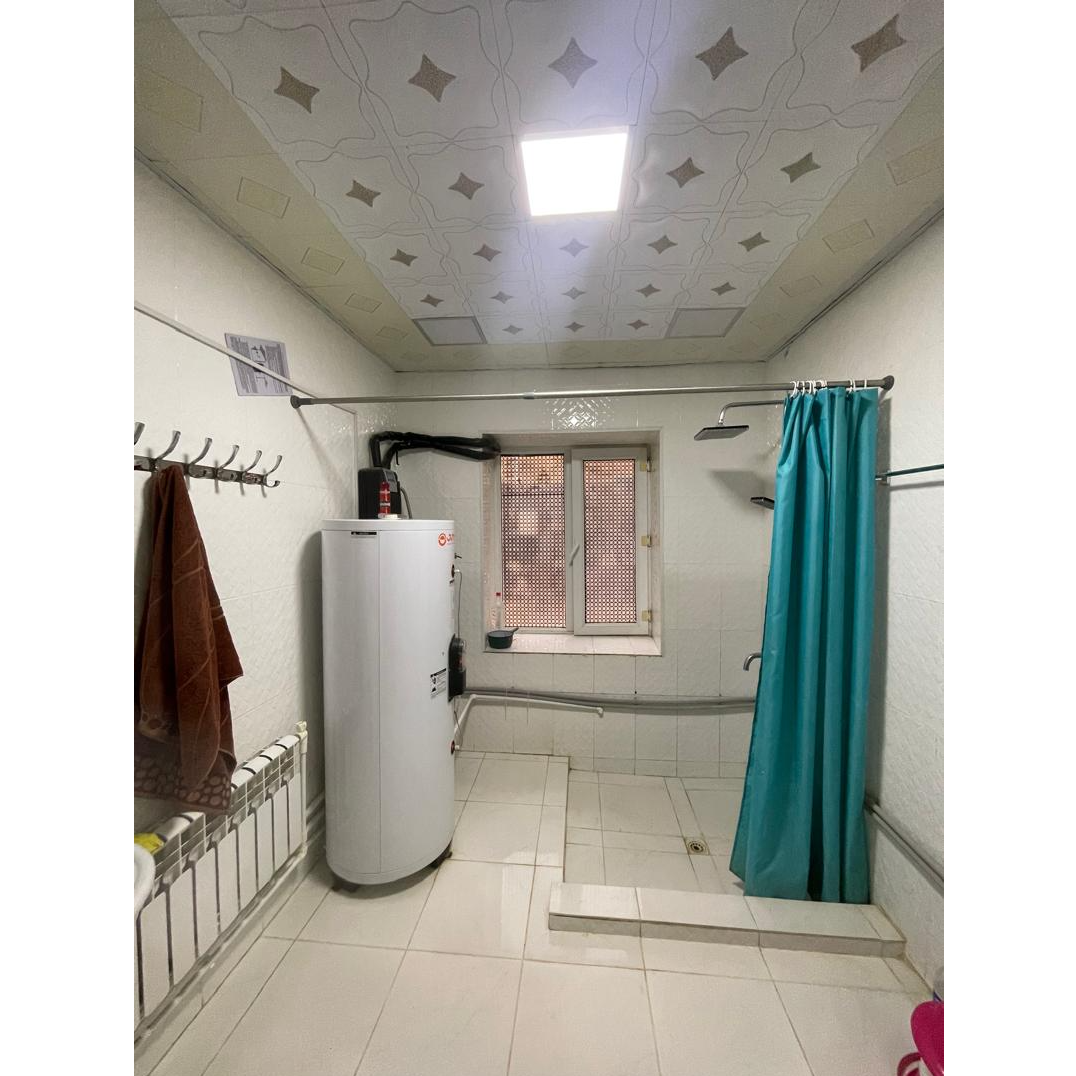
Hunters can expect lodge-style accommodations during their hunt. The hunting lodge has historically included multiple bedrooms, indoor bathroom facilities, a dining area, and common spaces where hunters can relax after returning from the mountains.
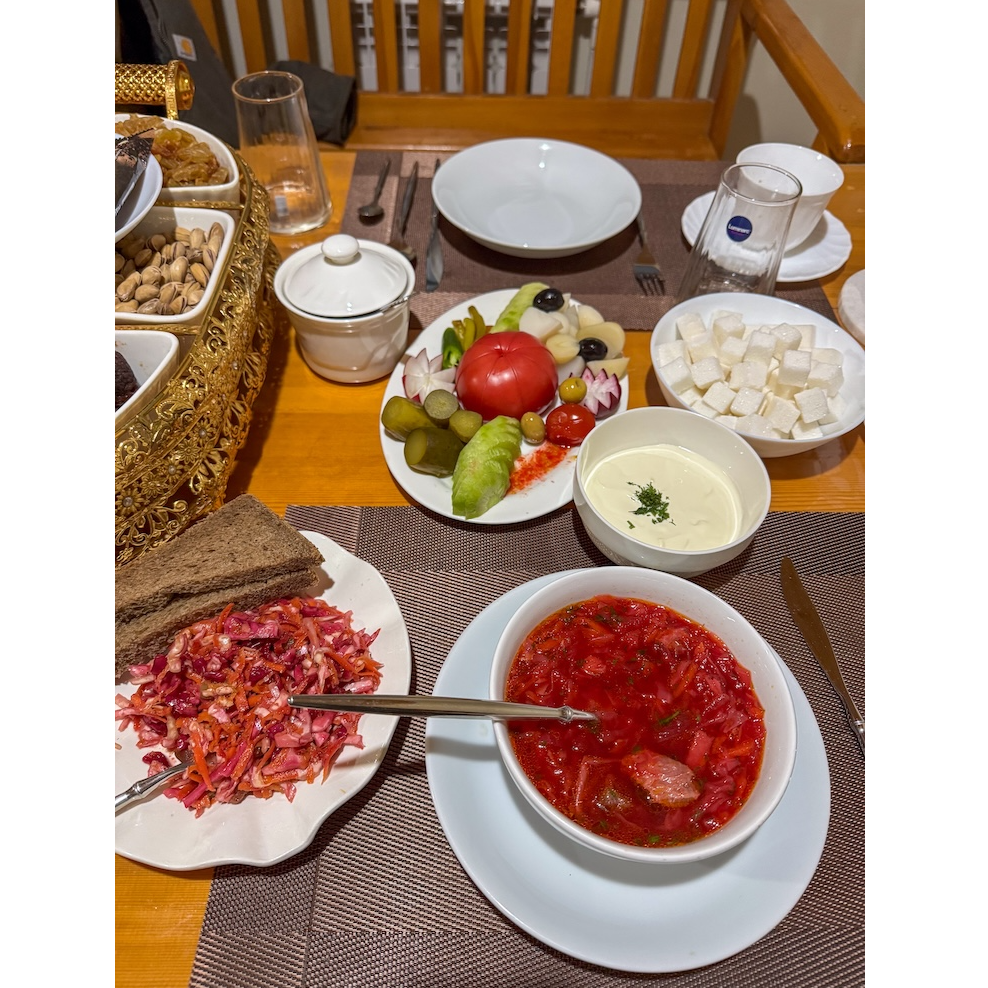
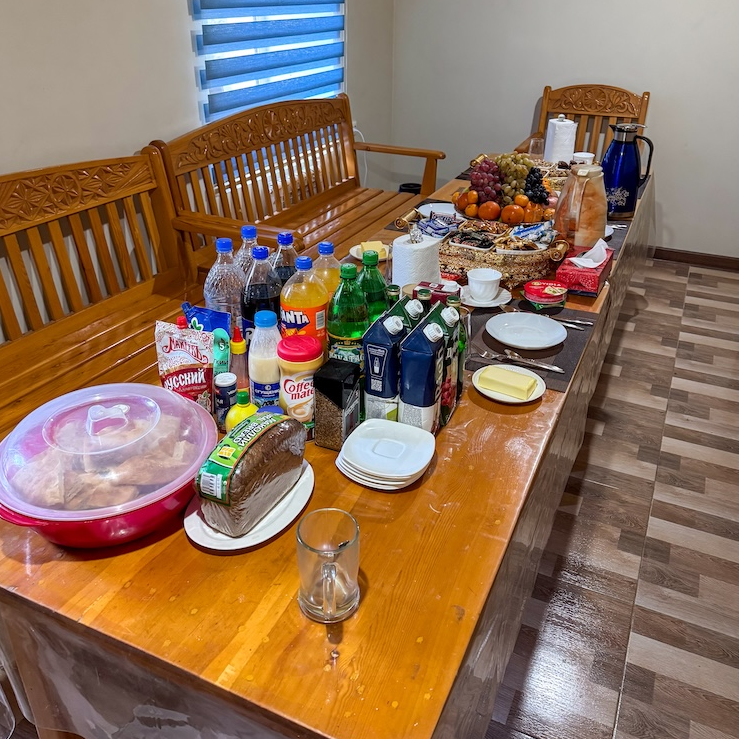
Meals and lodging are provided during the hunt, allowing hunters to return to a comfortable base following long days in the field. The lodge provides convenient access to the surrounding hunting country while still offering the basic comforts hunters appreciate during a demanding mountain hunt.
Depending on animal movements, weather conditions, and the particular portion of the concession being hunted, temporary arrangements closer to productive hunting areas may occasionally be utilized when necessary. Hunters should come prepared for a remote international mountain hunting experience while understanding that the primary accommodations are considerably more comfortable than the basic spike camps commonly associated with many Asian mountain hunts.
LICENSE INFORMATION:
Bukharan markhor hunting is conducted under a tightly controlled government quota system, with only a limited number of trophy permits issued each year. This outfitter has an established history of receiving a meaningful portion of the country's annual markhor quota, reflecting both the strength of the markhor population within the concession and the outfitter's long-term conservation program.
Markhor permits are tied closely to the approved hunting concession and available government quota, making advance booking especially important. Hunt availability can be extremely limited, and hunters should confirm that a specific markhor permit has been allocated to their hunt before finalizing international travel arrangements.
Bukharan markhor are regulated internationally under CITES, and additional documentation is required for the legal export and import of the trophy. For hunters returning to the United States, the process includes obtaining the necessary foreign export documentation as well as approval through the U.S. Fish & Wildlife Service. Import authorization should be handled well in advance of the hunt, and hunters should work closely with Huntin' Fool Adventures, the outfitter, and an experienced trophy importer or customs broker to ensure all required permits and documentation are properly completed.
Because markhor regulations, annual quotas, CITES requirements, and import procedures can change, hunters should verify all current requirements prior to departure. Huntin' Fool Adventures will assist clients in understanding the licensing and trophy-import process and coordinating the necessary information with the outfitter.
Show More

 Login
Login