ABOUT OUTFITTER:
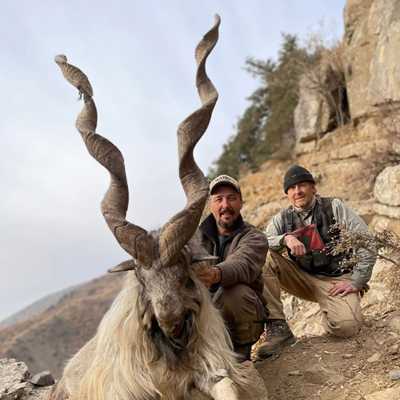
This established, family-operated outfitter has decades of experience hunting and conserving mountain game in Tajikistan. Their operation has developed a strong reputation for wildlife management, anti-poaching efforts, and the conservation of native mountain species, including Bukharan ibex. Their long-term commitment to the area has helped maintain healthy game populations while providing economic benefits and employment opportunities for surrounding communities.
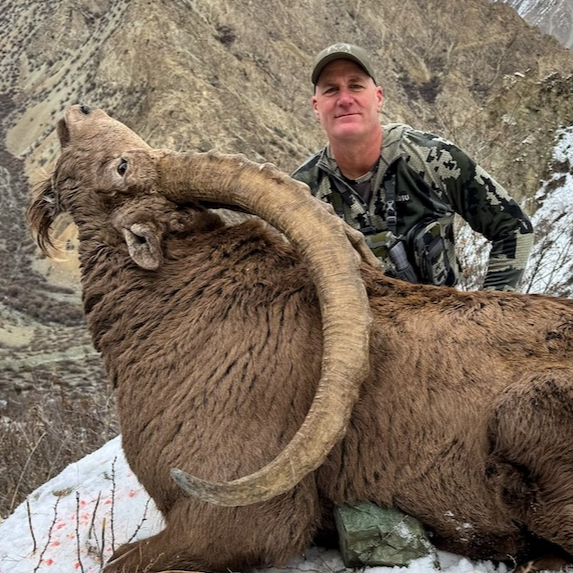
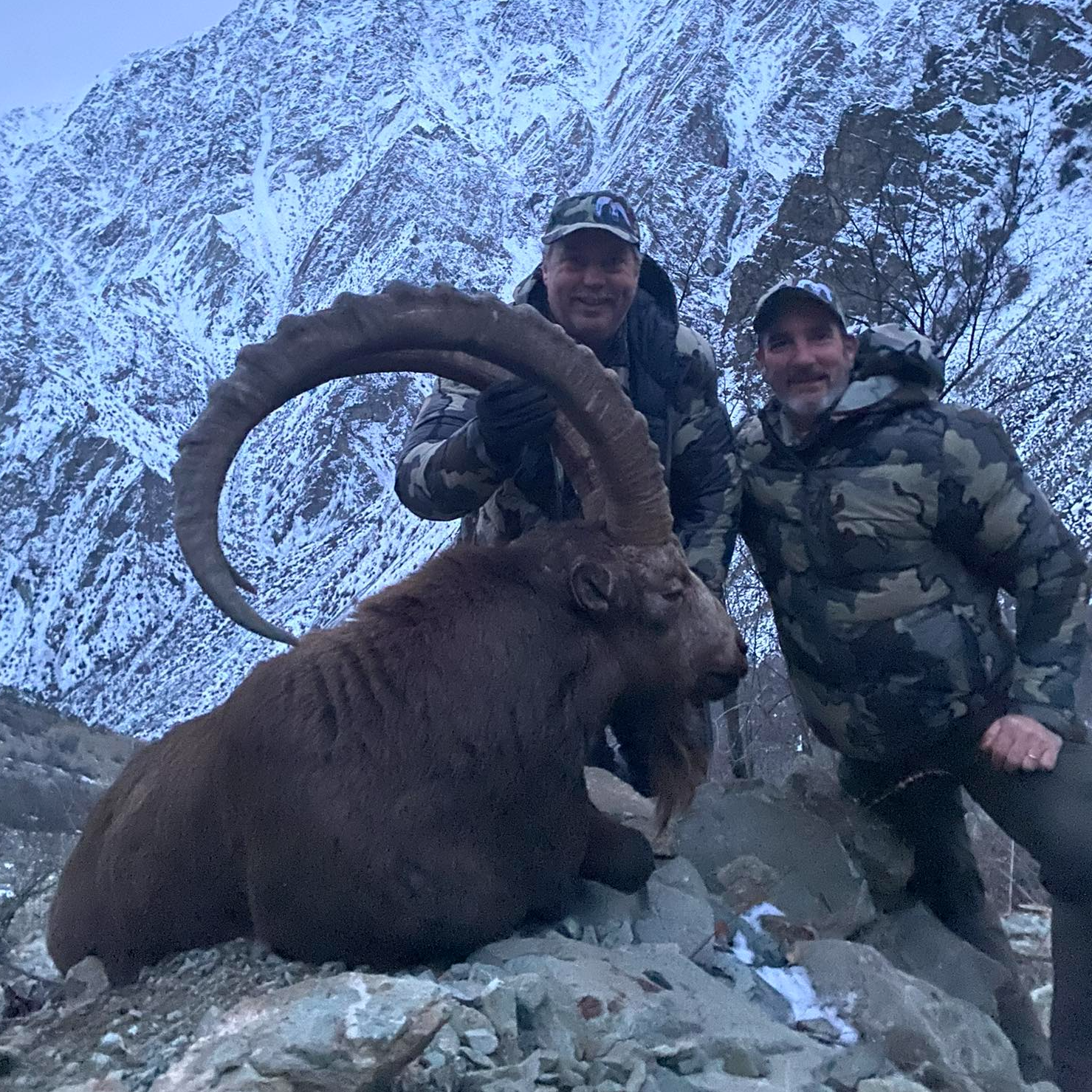
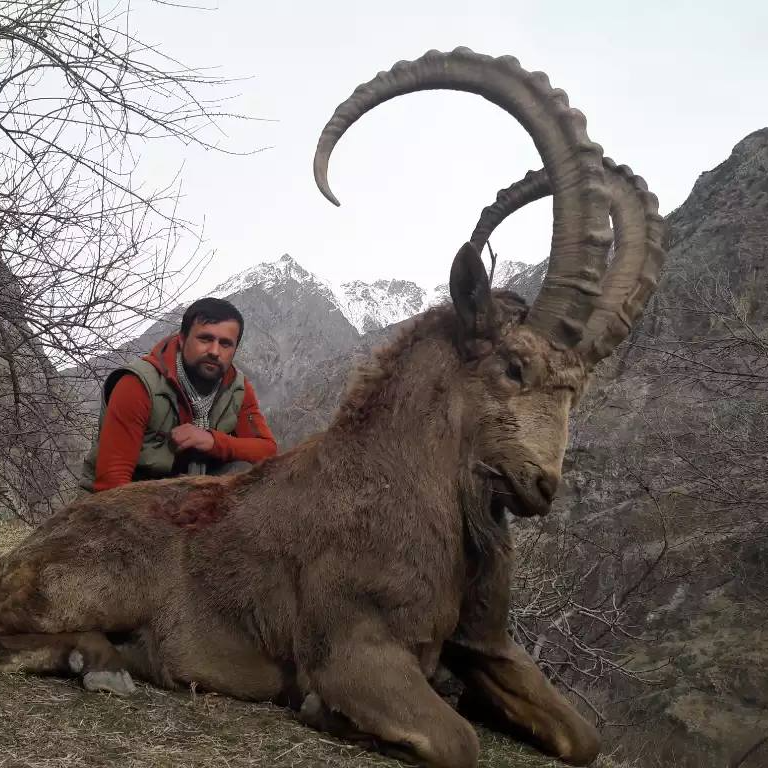
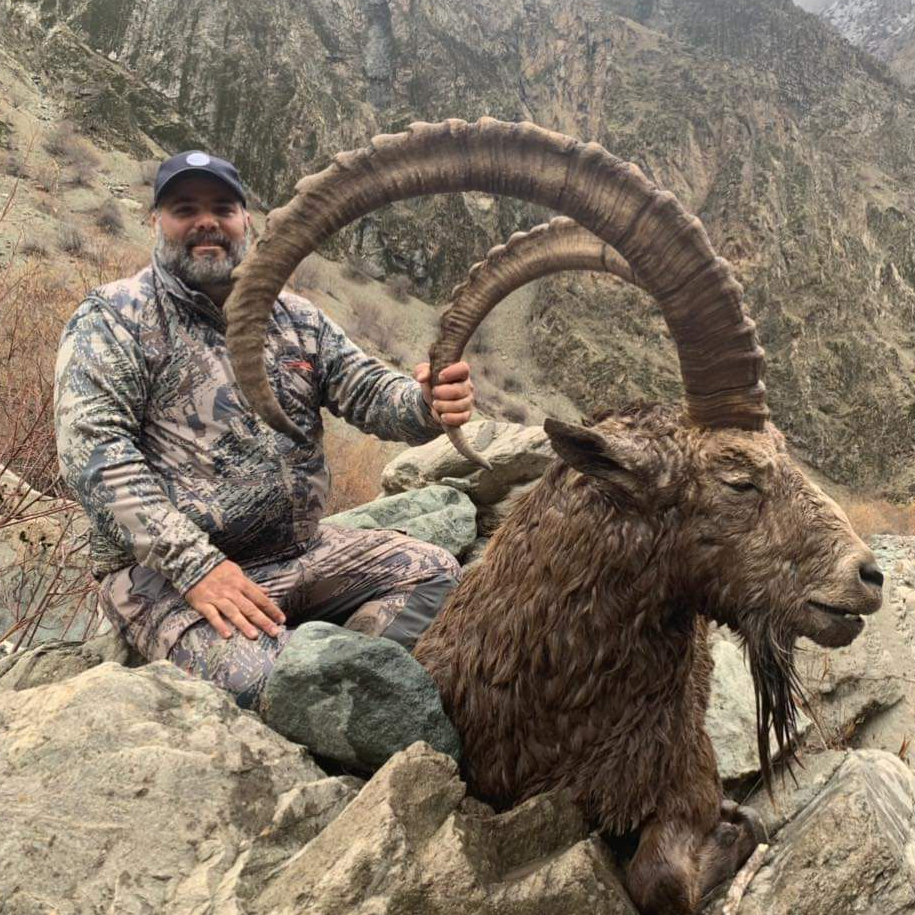
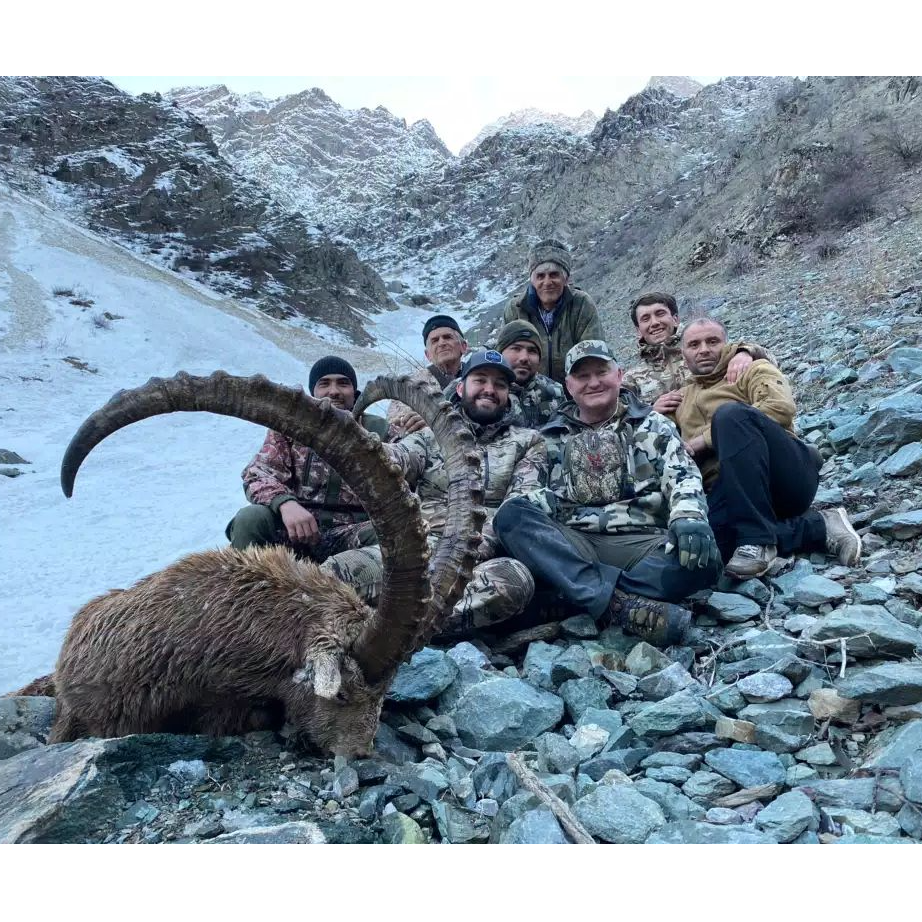
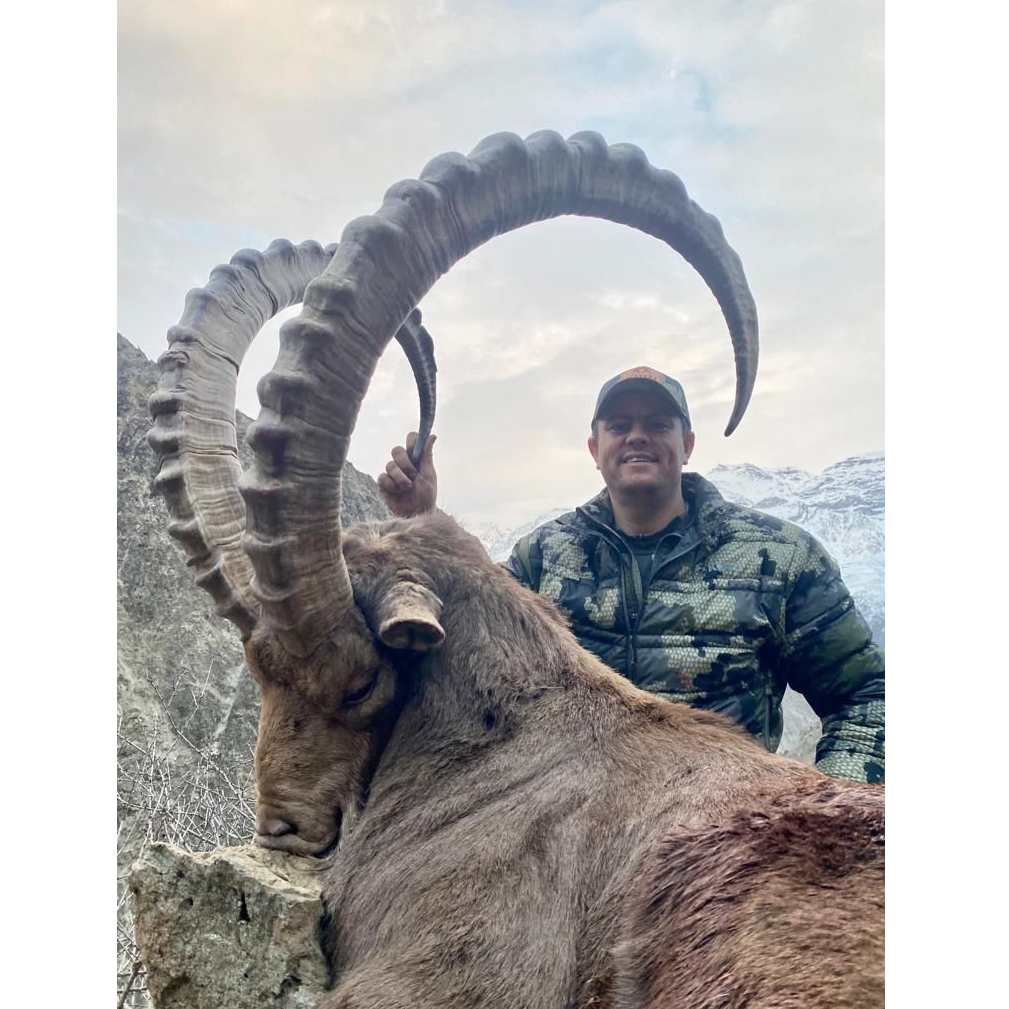
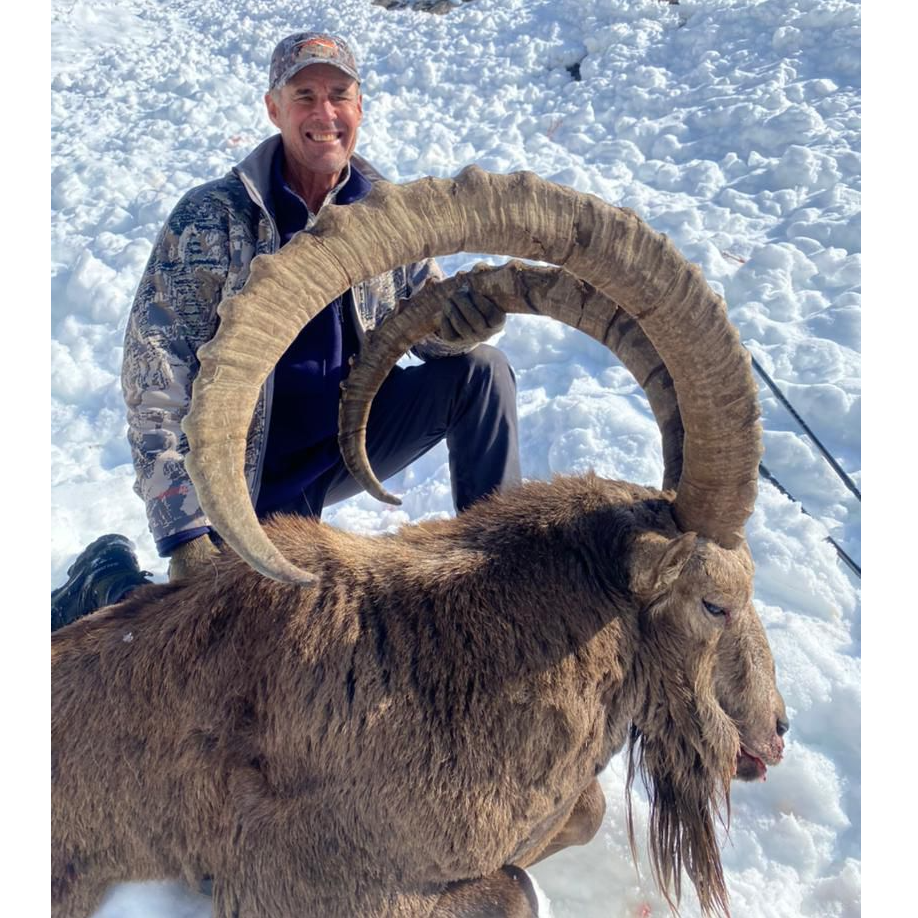
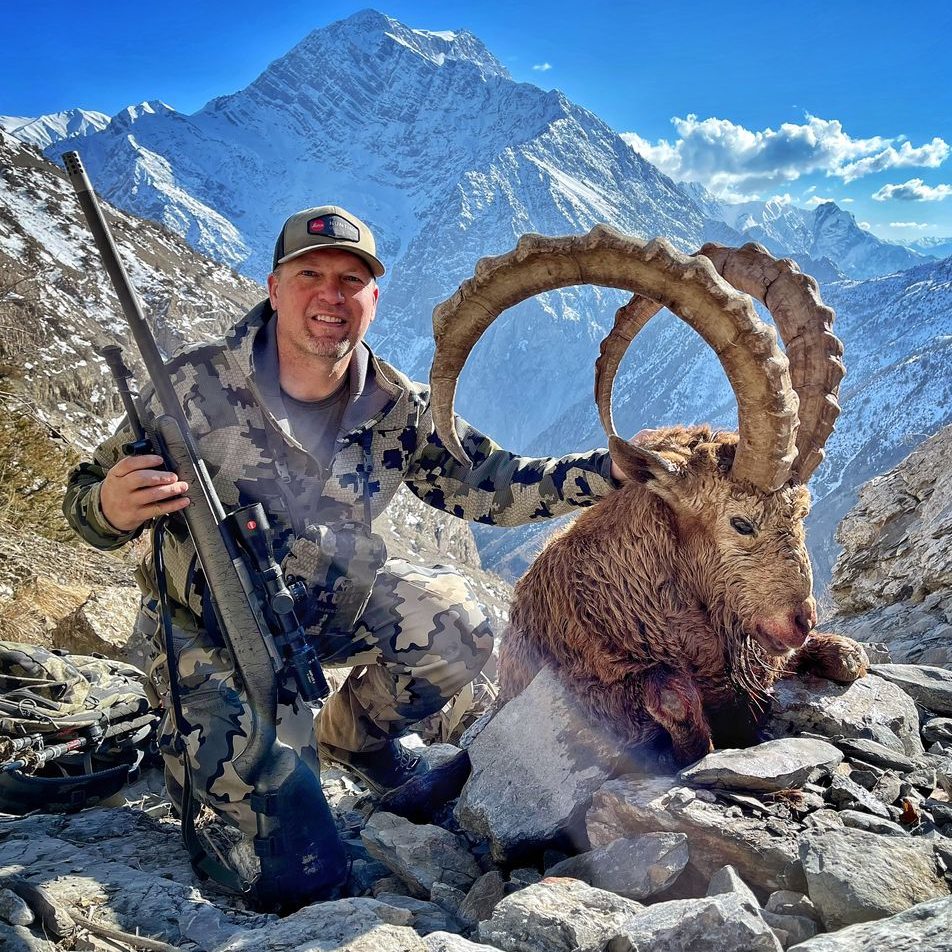
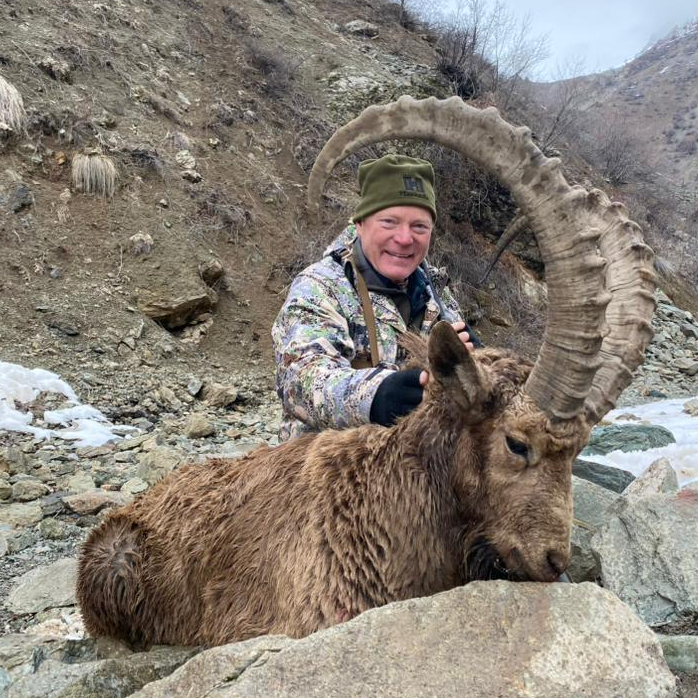
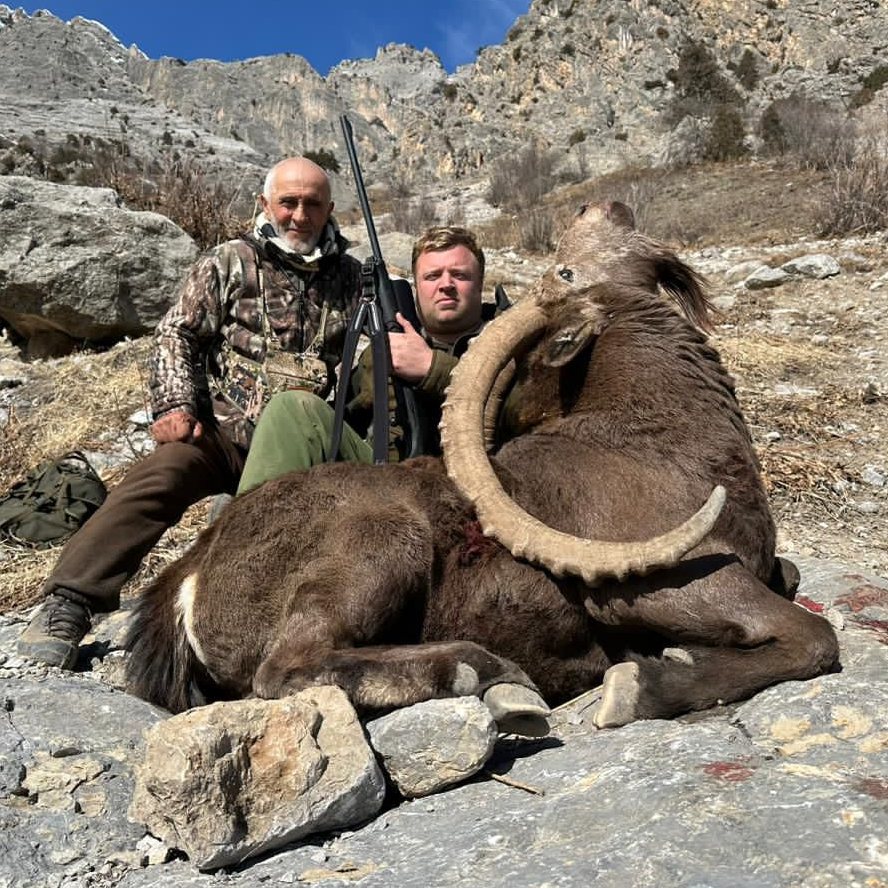
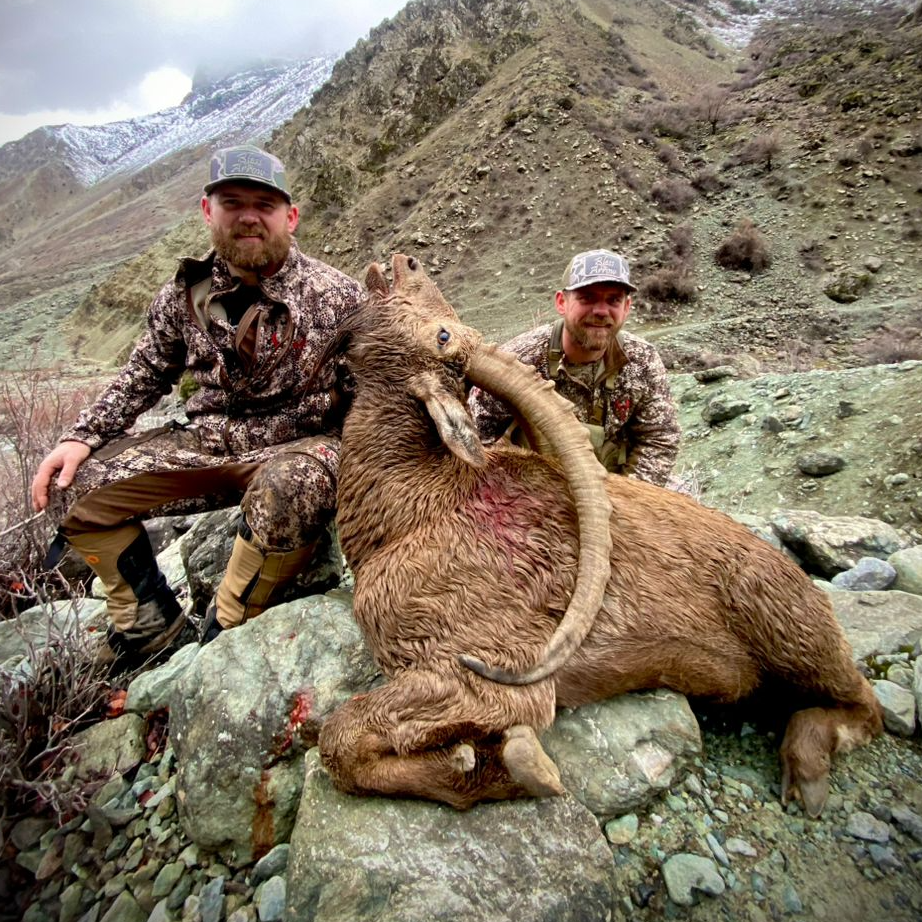
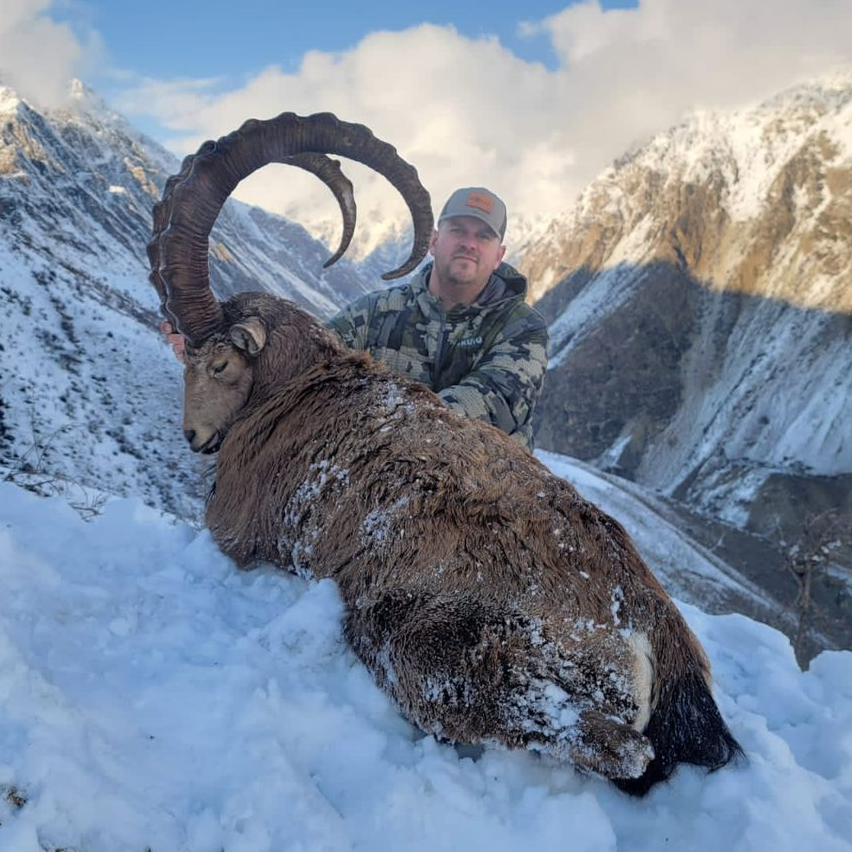
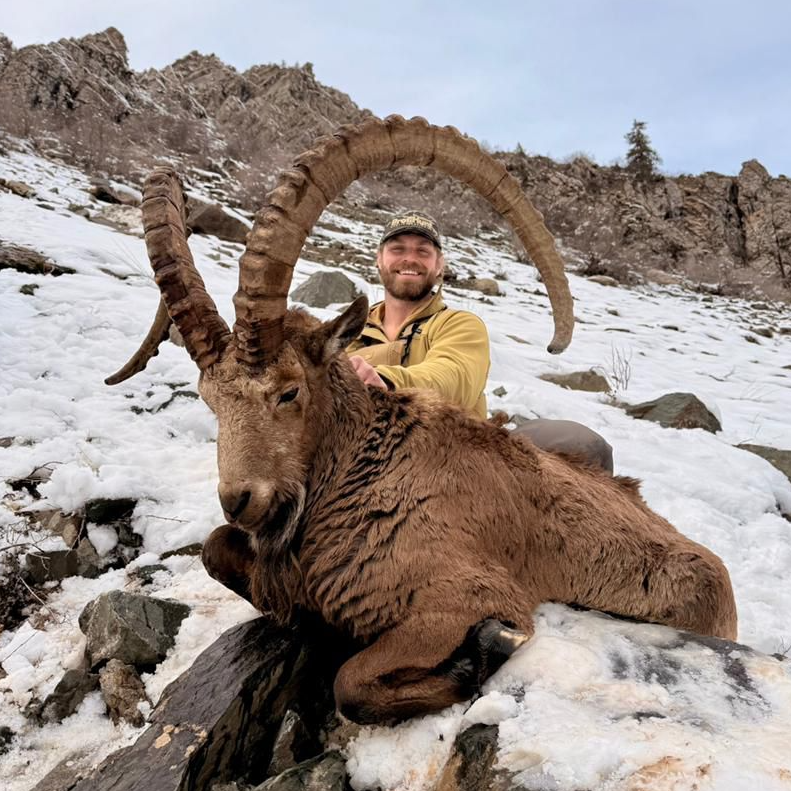
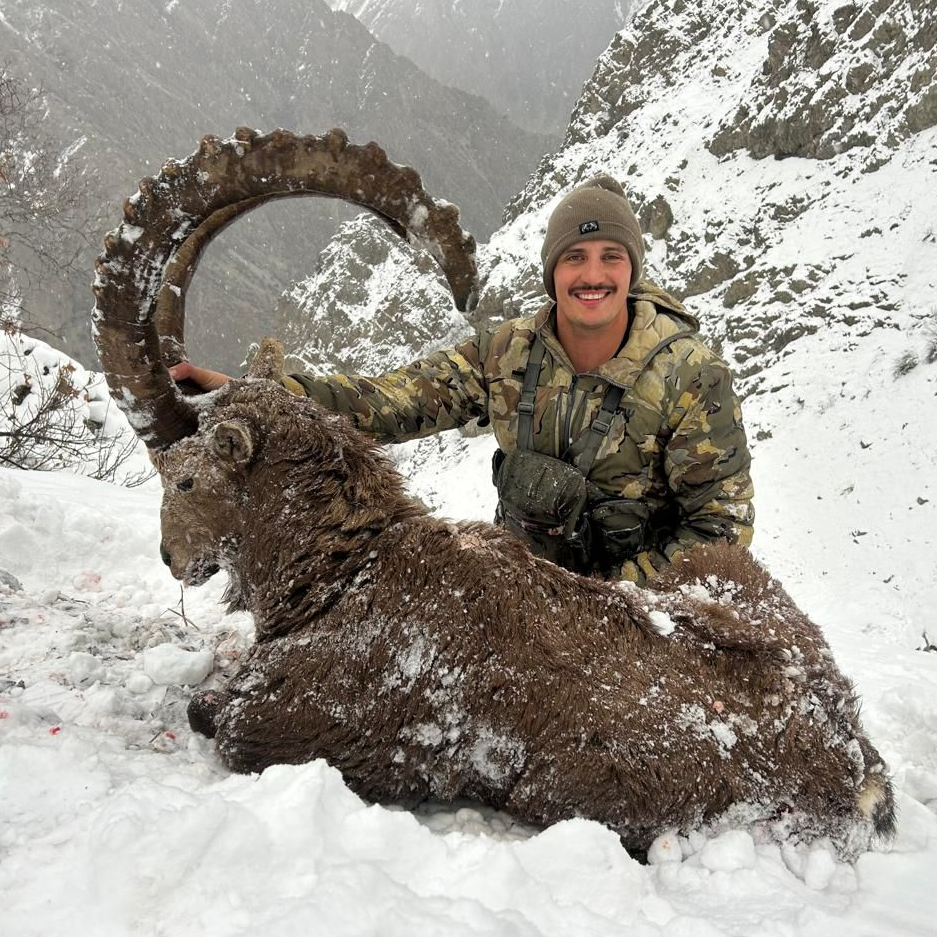
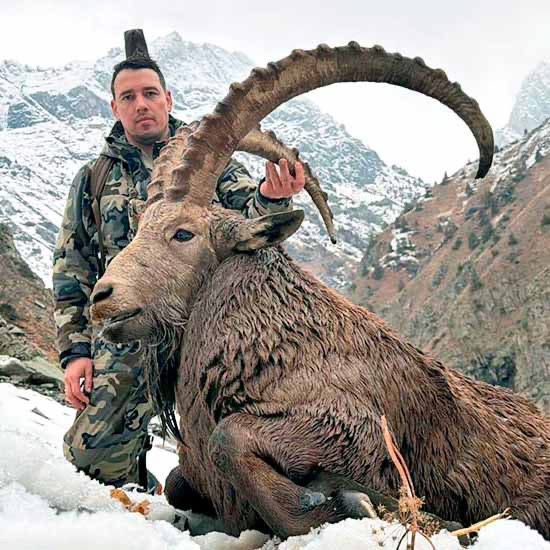
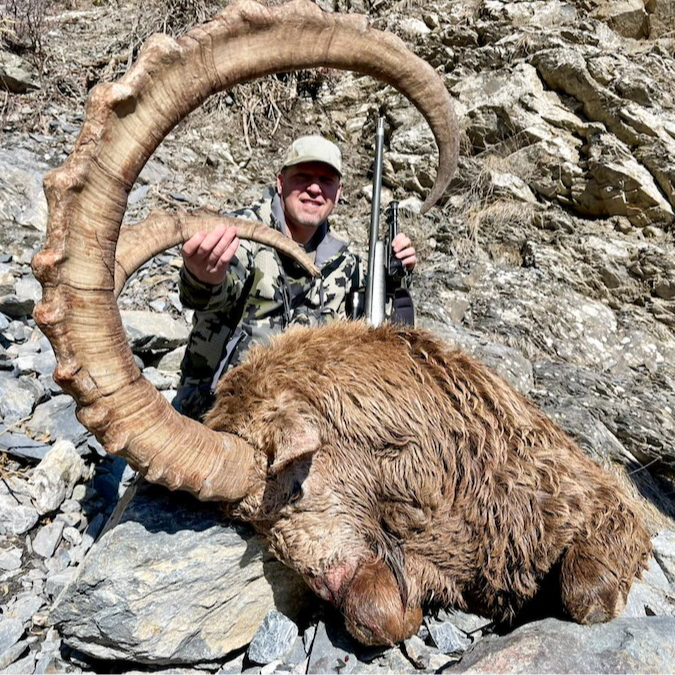
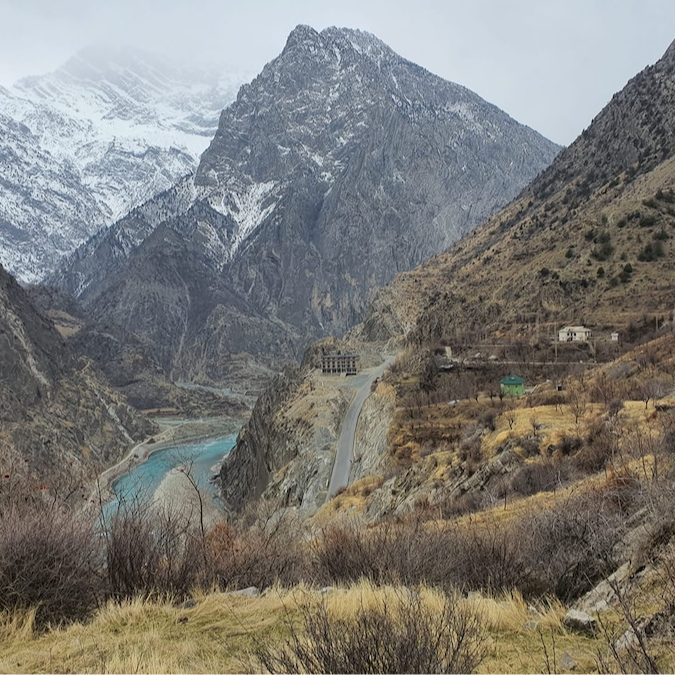
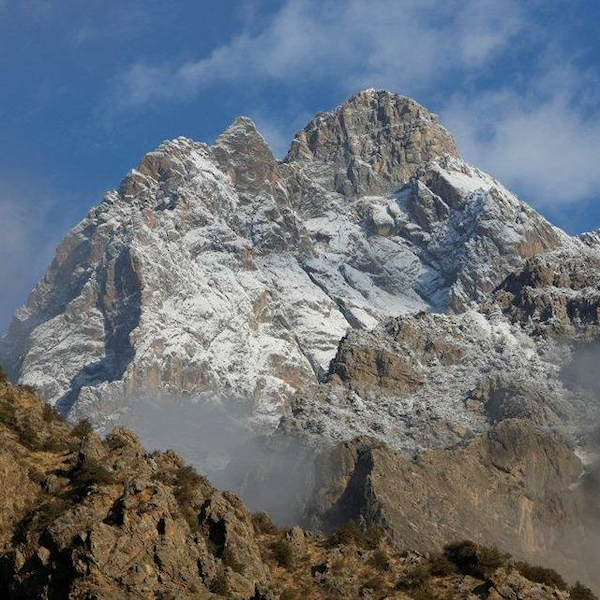
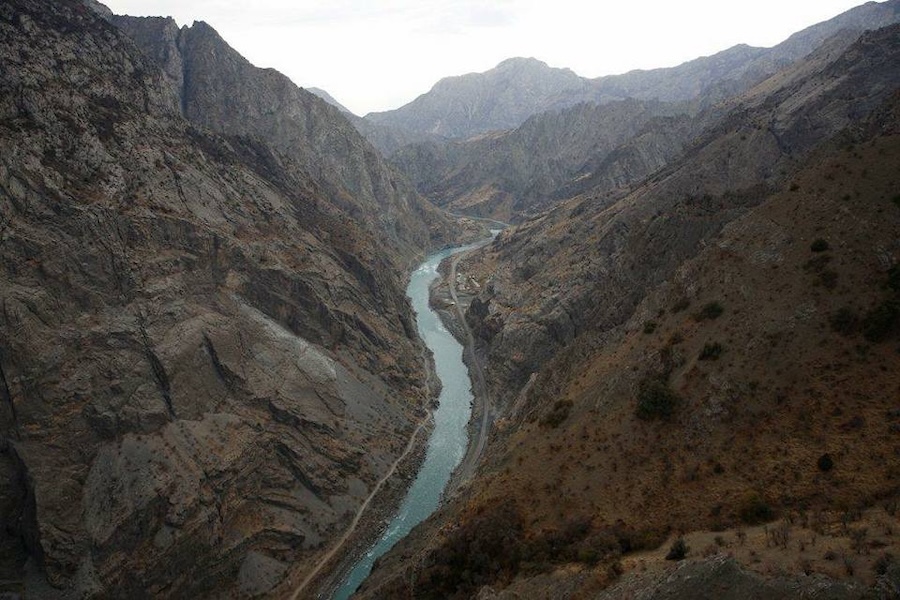
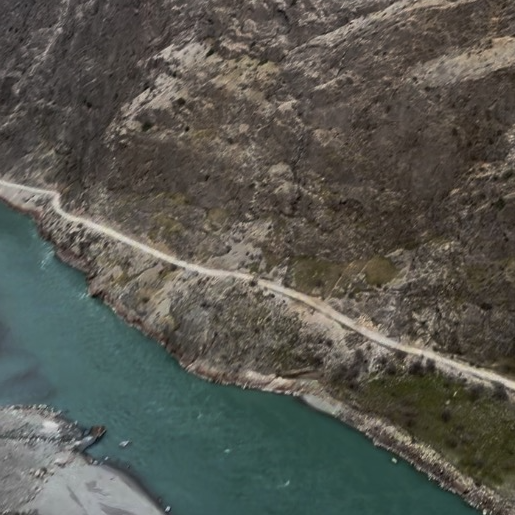
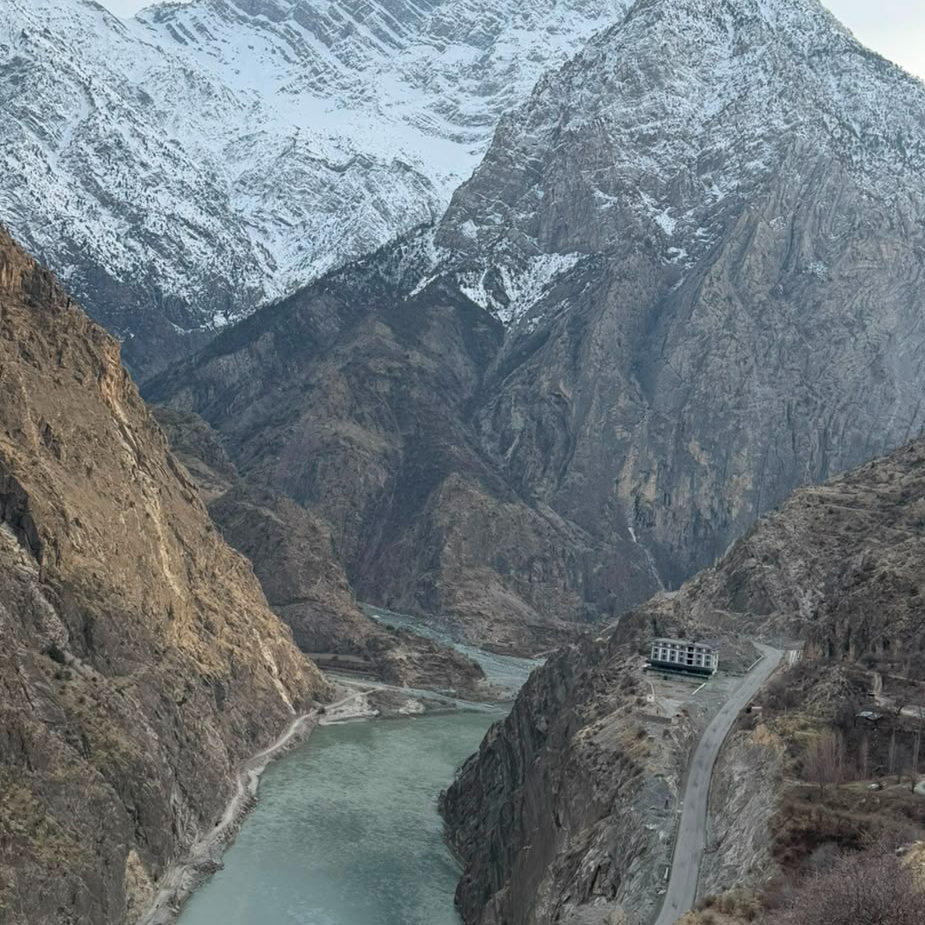
The outfitter controls an expansive, exclusive hunting area consisting of rugged mountain terrain that supports excellent populations of Bukharan ibex and other native wildlife. Their management philosophy focuses on harvesting mature, trophy-age animals while maintaining sustainable populations for future generations. A large support staff, experienced mountain guides, and extensive knowledge of the country allow them to provide hunters with a well-organized and authentic Central Asian mountain hunting experience.
HUNT DETAILS:
Bukharan ibex hunts are offered from September through early March, with approximately five full hunting days included in a typical 10-day travel itinerary. Hunters looking for warmer conditions and generally easier access may prefer the early season, while those interested in hunting mature billies during the rut should consider late November through December. The prime rut generally occurs during early to mid-December, when mature billies join groups of females and become considerably more visible.
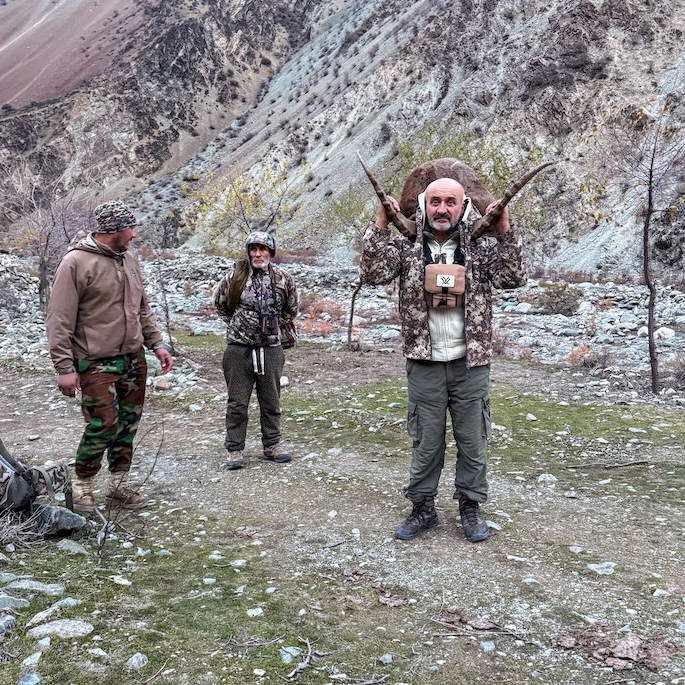
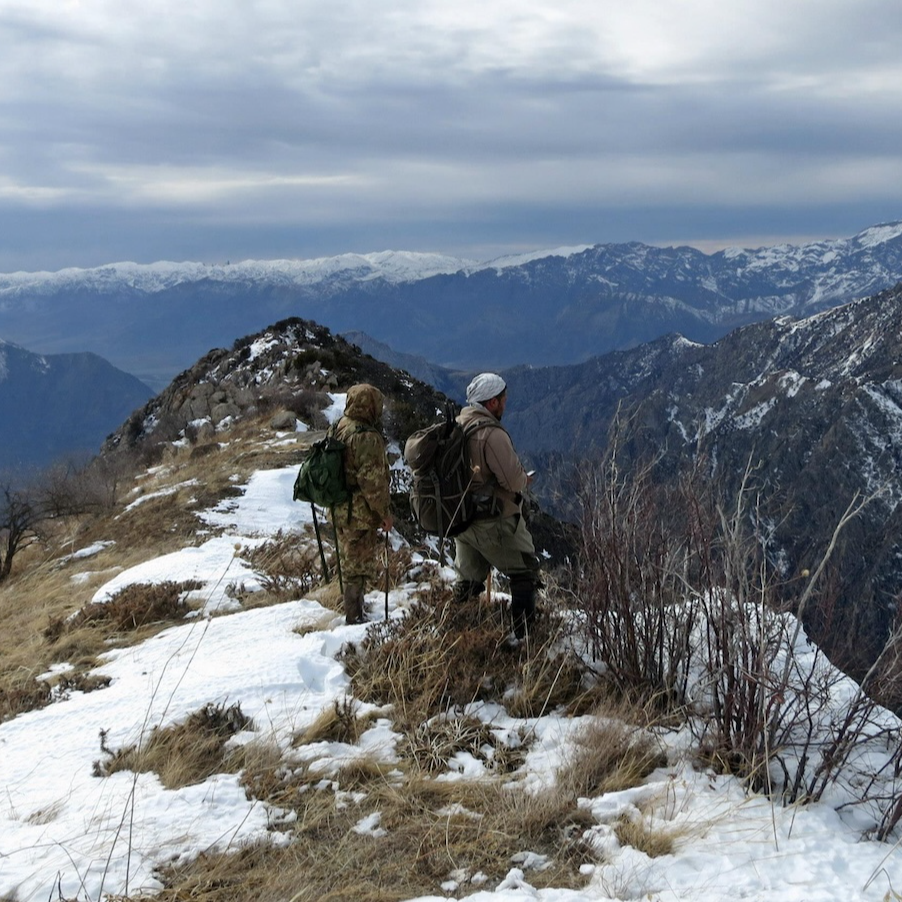
Hunters can expect to spend long periods glassing expansive mountain faces, valleys, rocky slopes, and ridgelines in search of mature billies. Once a trophy animal is located, guides will determine the best approach and hunters should be prepared for potentially lengthy stalks involving steep climbs, loose rock, sidehilling, and substantial elevation changes. Typical hunting elevations range from approximately 7,000 to 10,000 feet, with stalks occasionally reaching 11,000 feet or higher. These hunts are generally considered moderate to strenuous mountain hunts, although elevations are typically lower than those encountered on many eastern Tajikistan ibex and Marco Polo hunts.
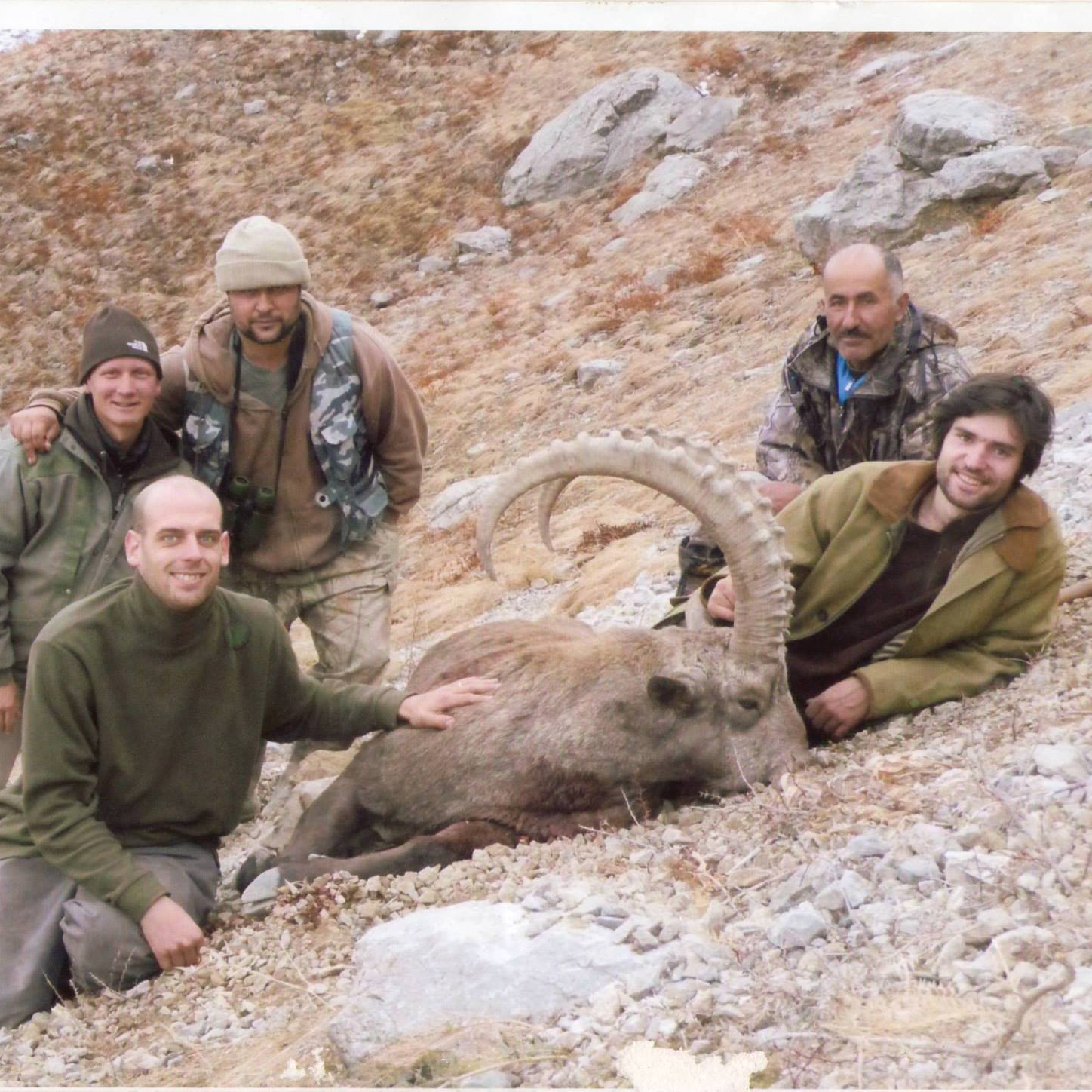
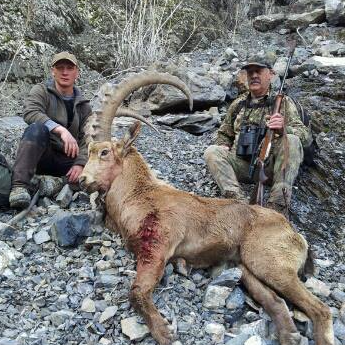
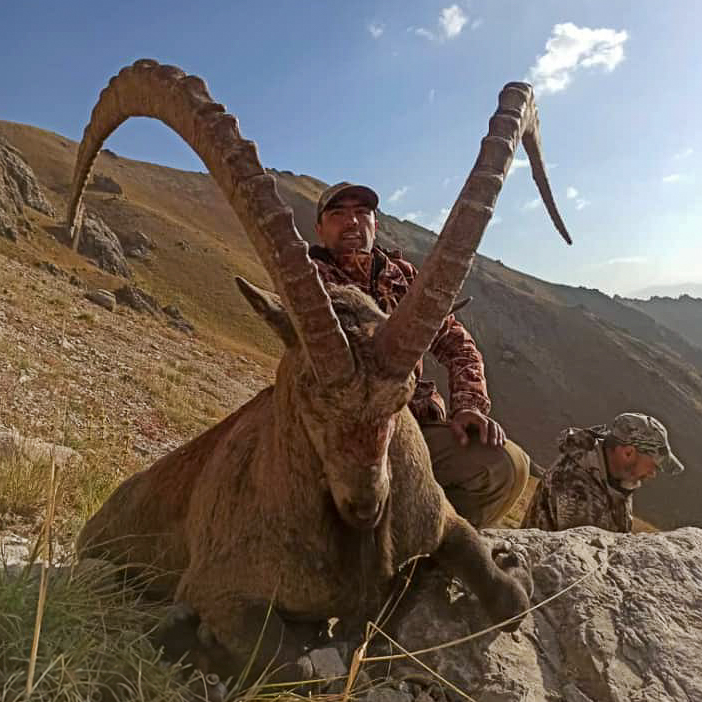
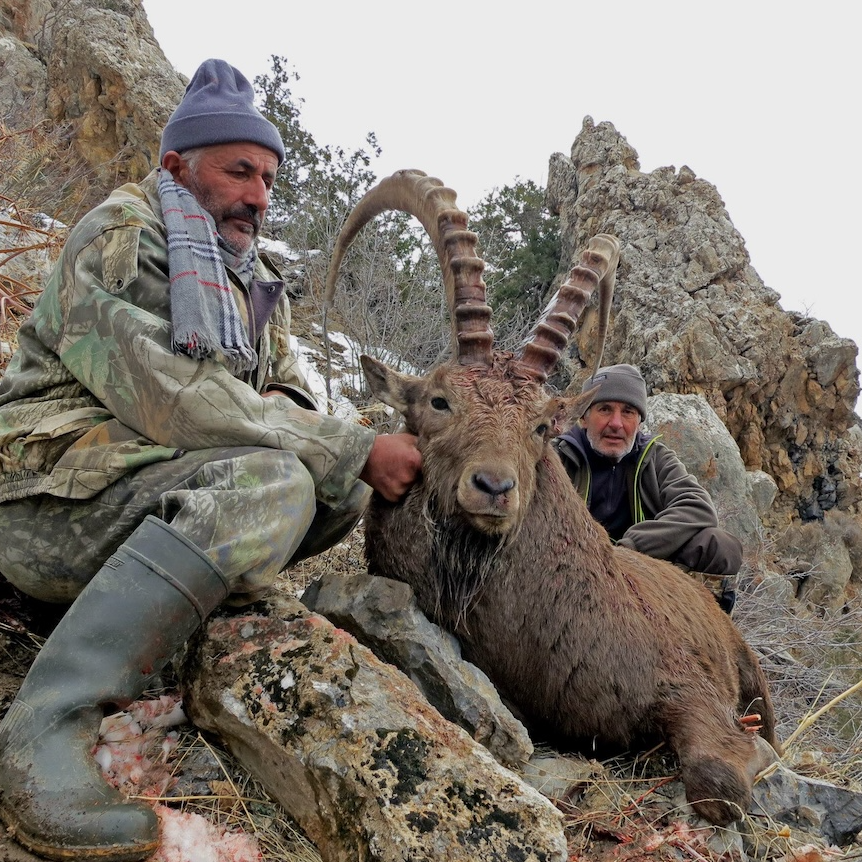
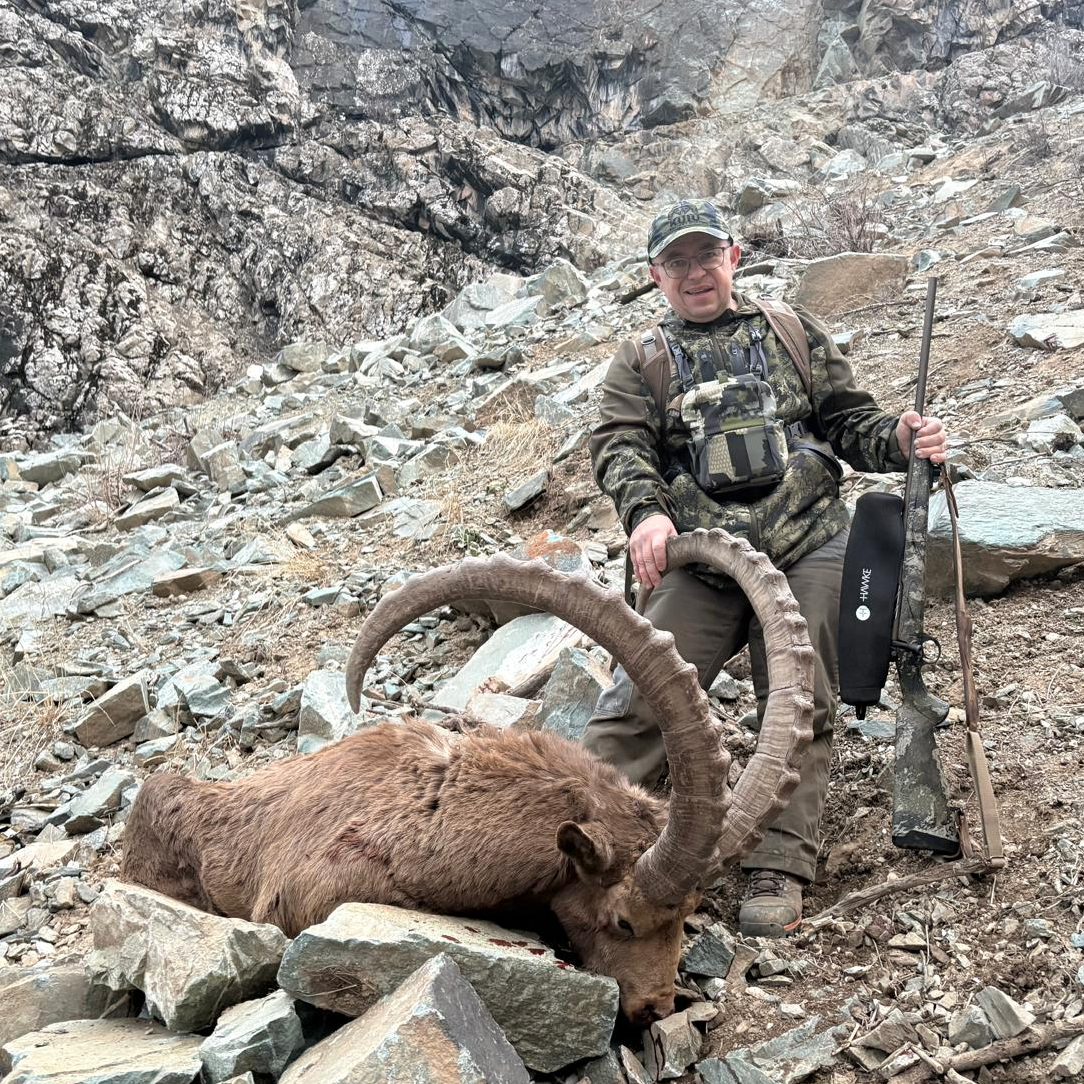
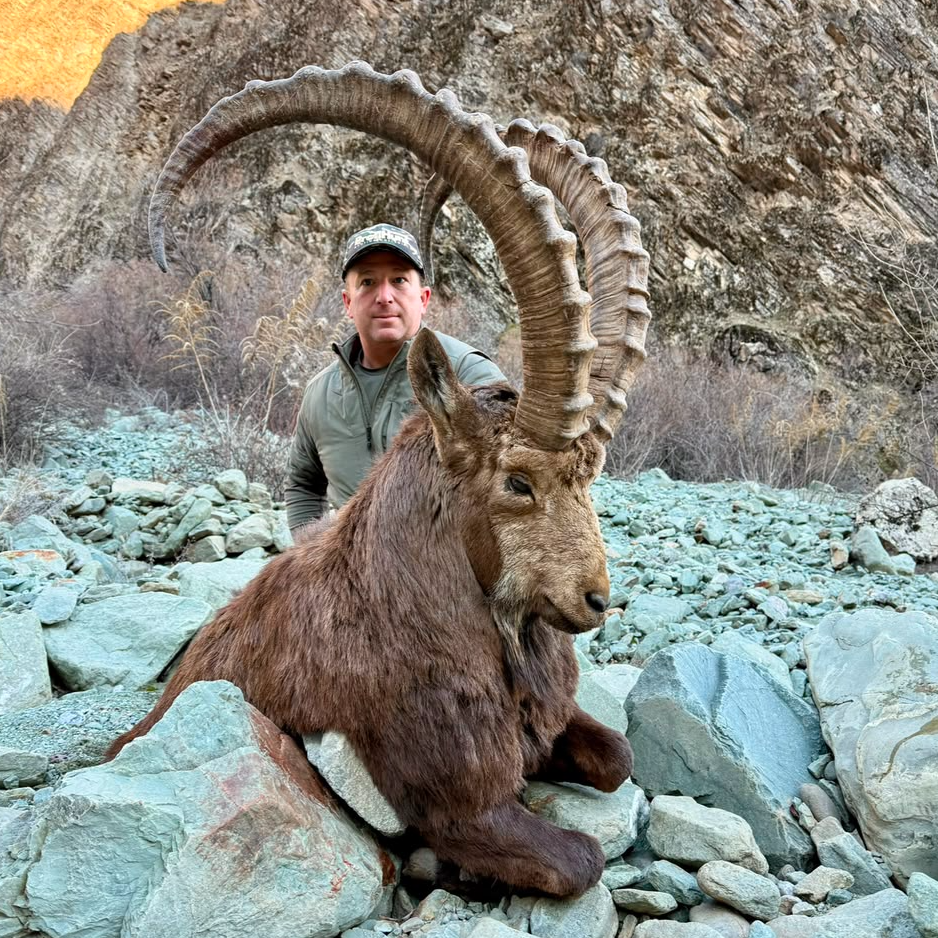
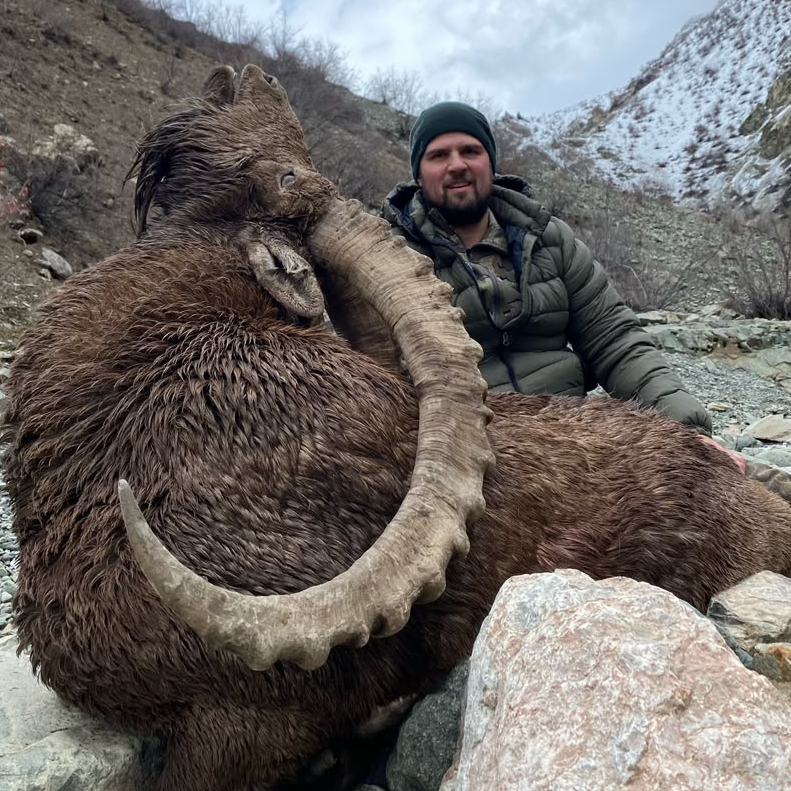
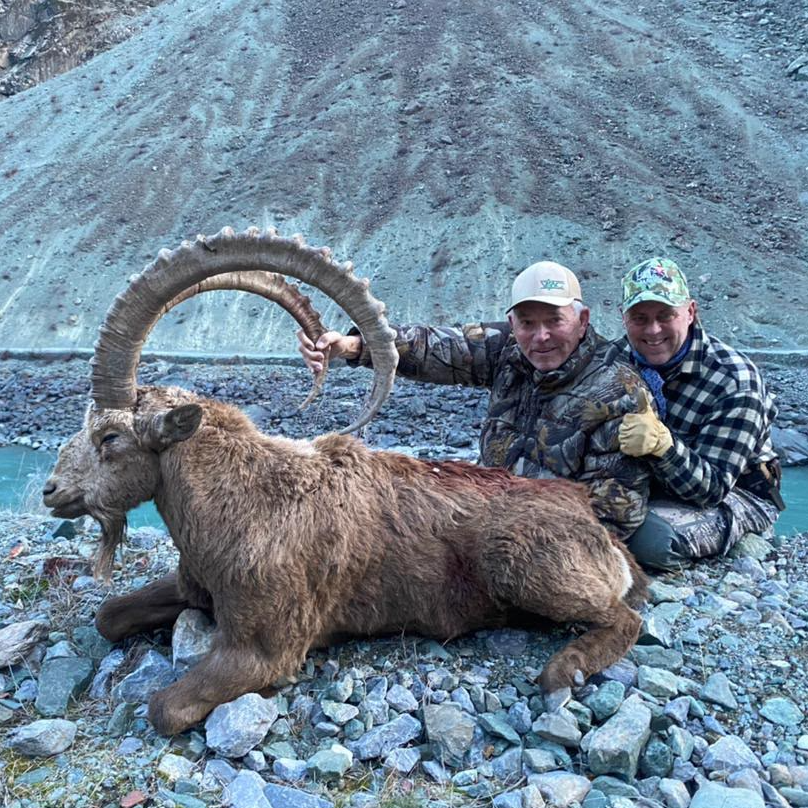
The area supports strong numbers of ibex, and hunters may see 10–20 or more animals during productive days of glassing. The outfitter specifically manages for mature age-class animals and reports exceptional trophy quality along with outstanding historical opportunity and success.
A typical hunting day begins before daylight with breakfast followed by travel or hiking to a productive glassing location. Guides and hunters may spend several hours evaluating animals during the morning feeding period before relocating or beginning a stalk. Midday is often spent watching bedding areas, repositioning, or waiting for favorable conditions before another productive glassing period during the afternoon and evening. When a mature billy is located, the hunt may continue until dark or beyond as the group works to complete the stalk.
Firearm hunters should be comfortable shooting in steep mountain terrain and should practice extensively from field positions before arriving. Opportunities from approximately 300–500 yards are possible, although considerably closer shots can occur. Premium, accurately shooting hunting bullets are recommended. Archery hunting is also permitted, but hunters should understand that successfully approaching Bukharan ibex within bow range can be extremely challenging and requires excellent preparation.
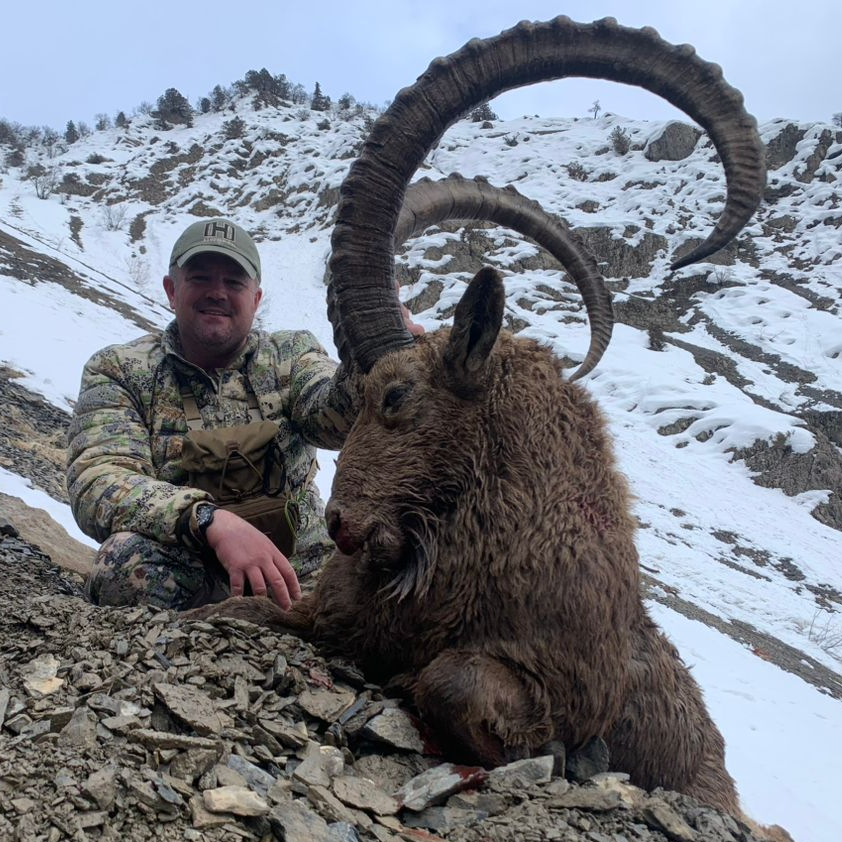
Weather varies dramatically throughout the long season. September and October can offer relatively mild and dry mountain conditions, while November brings increasingly cold mornings and the possibility of snow. December through February are true winter hunts, with snow, ice, wind, freezing temperatures, and potentially single-digit conditions at elevation. Hunters should arrive physically prepared and equipped for rapidly changing mountain weather.
ACCOMMODATIONS:
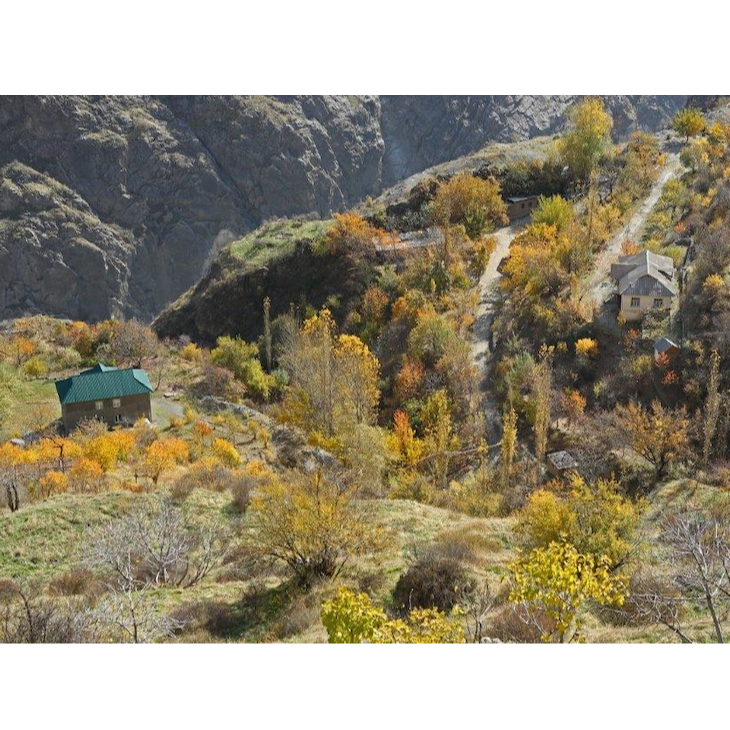
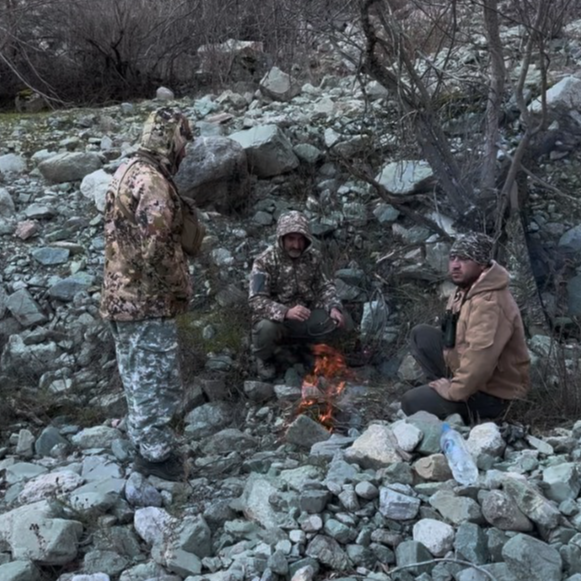
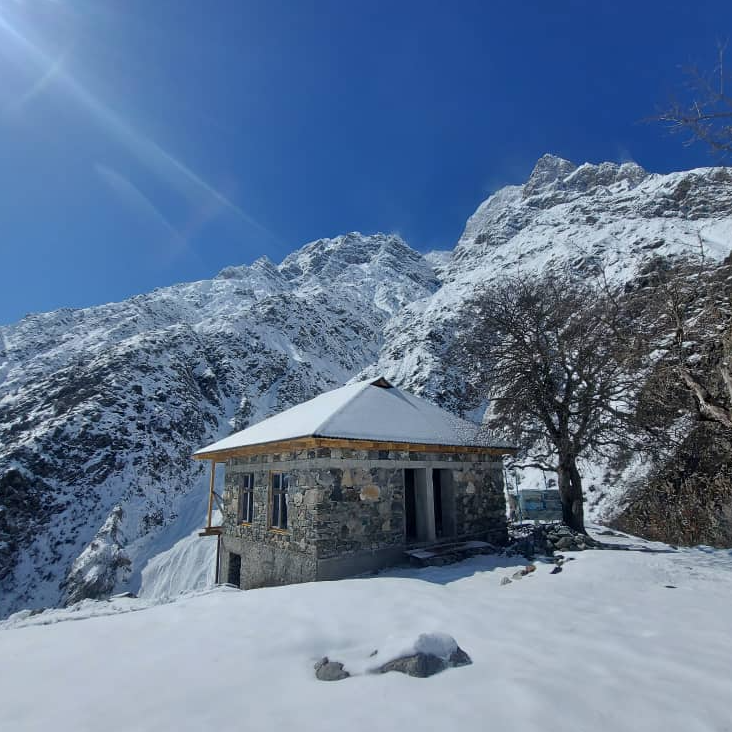
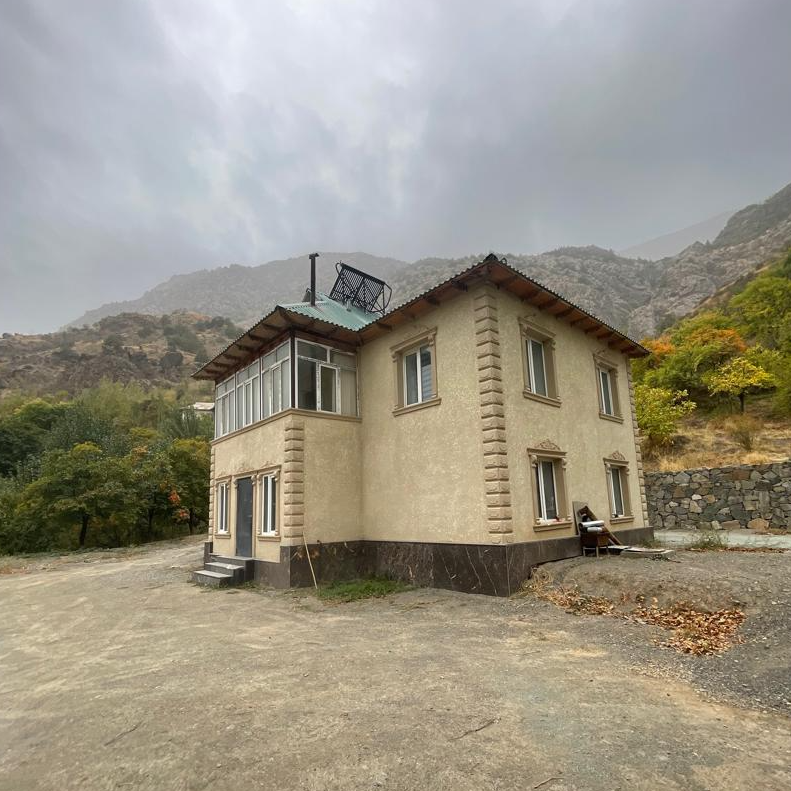
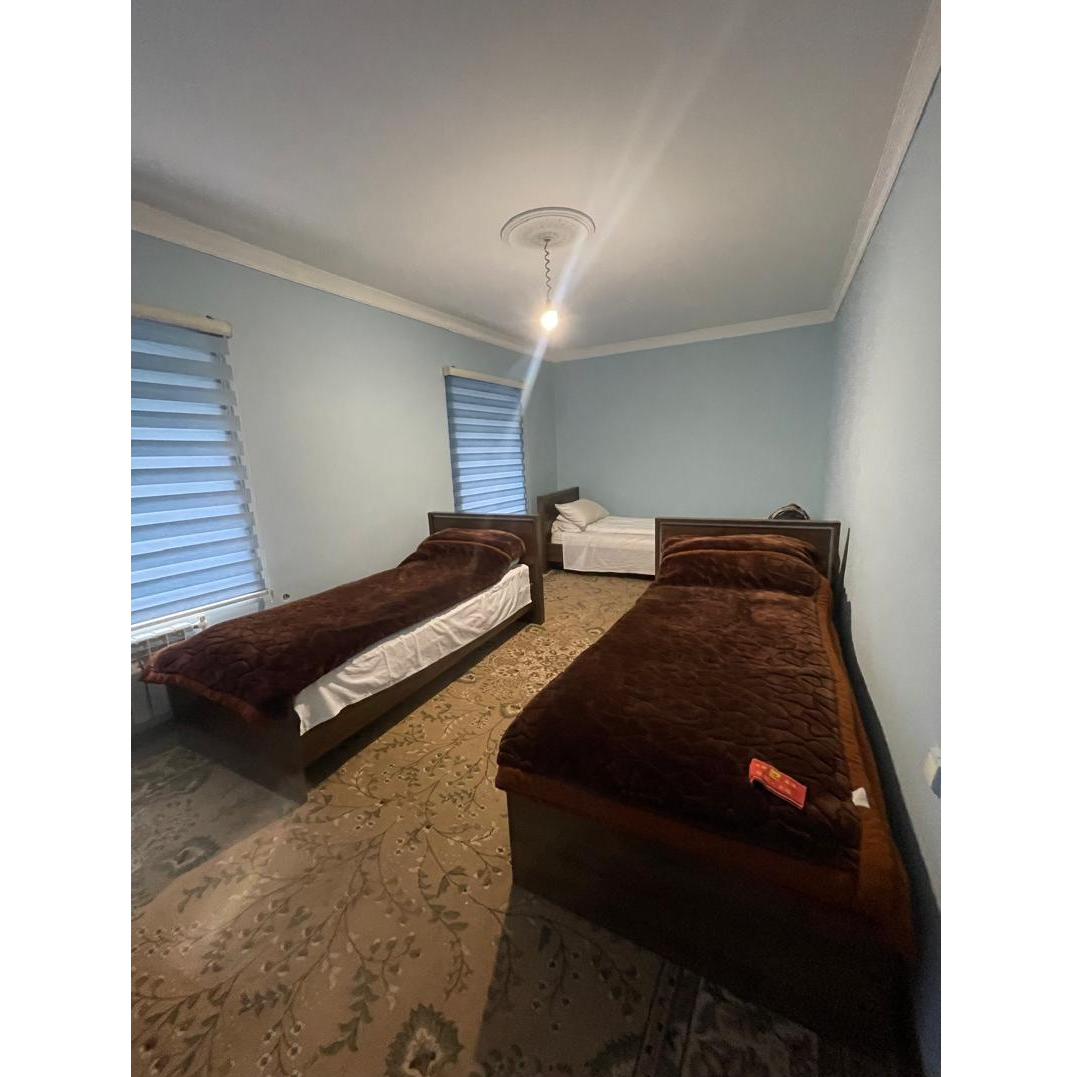
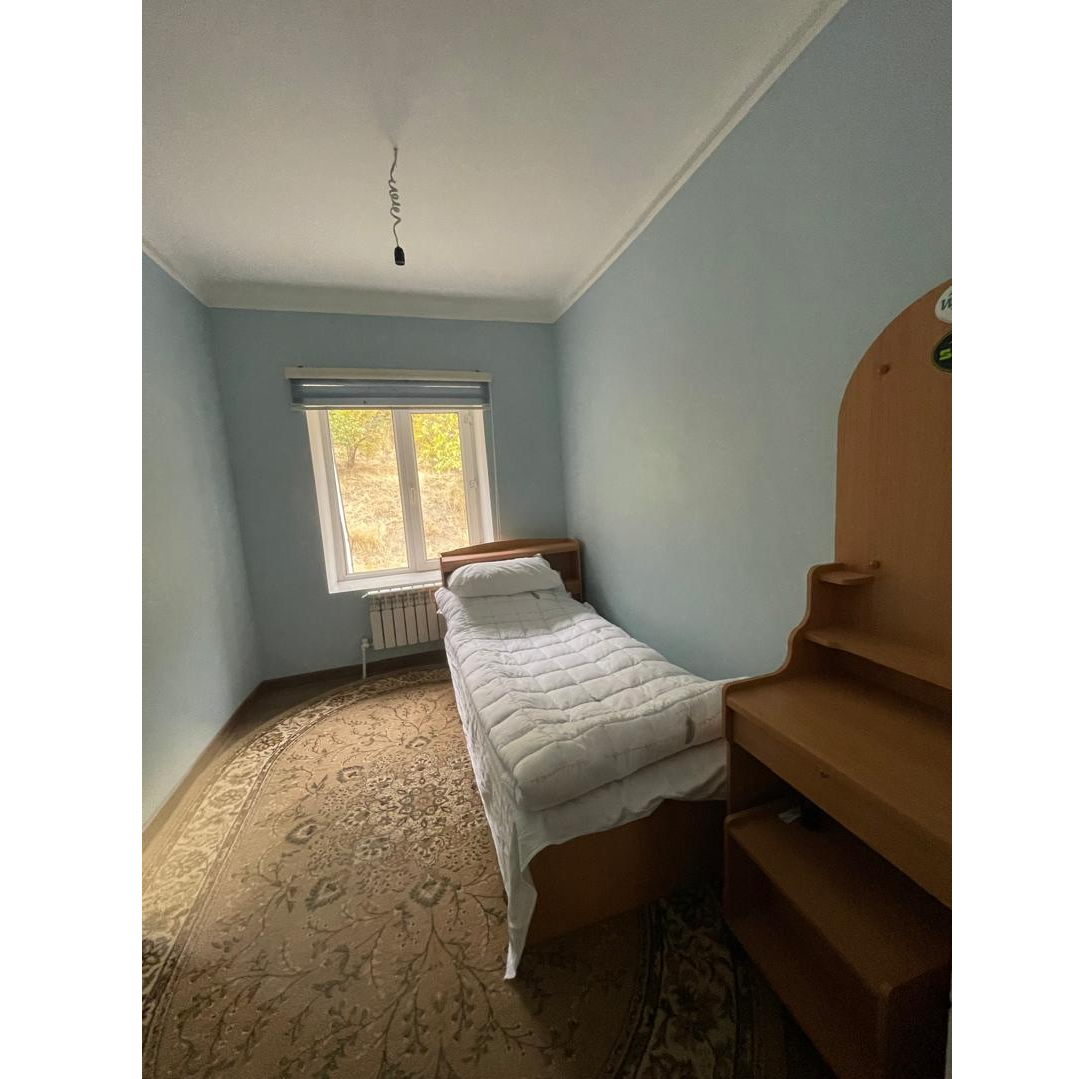
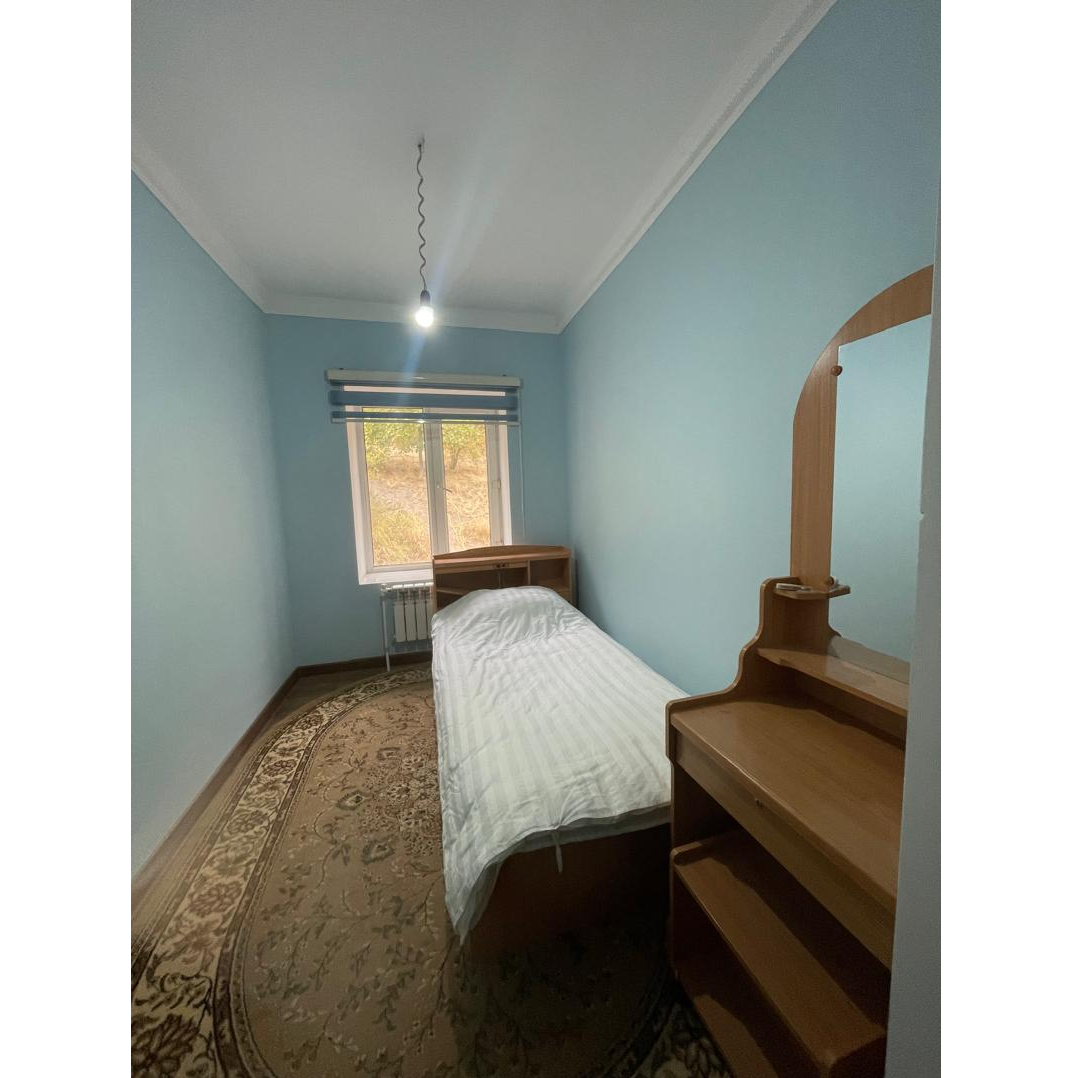
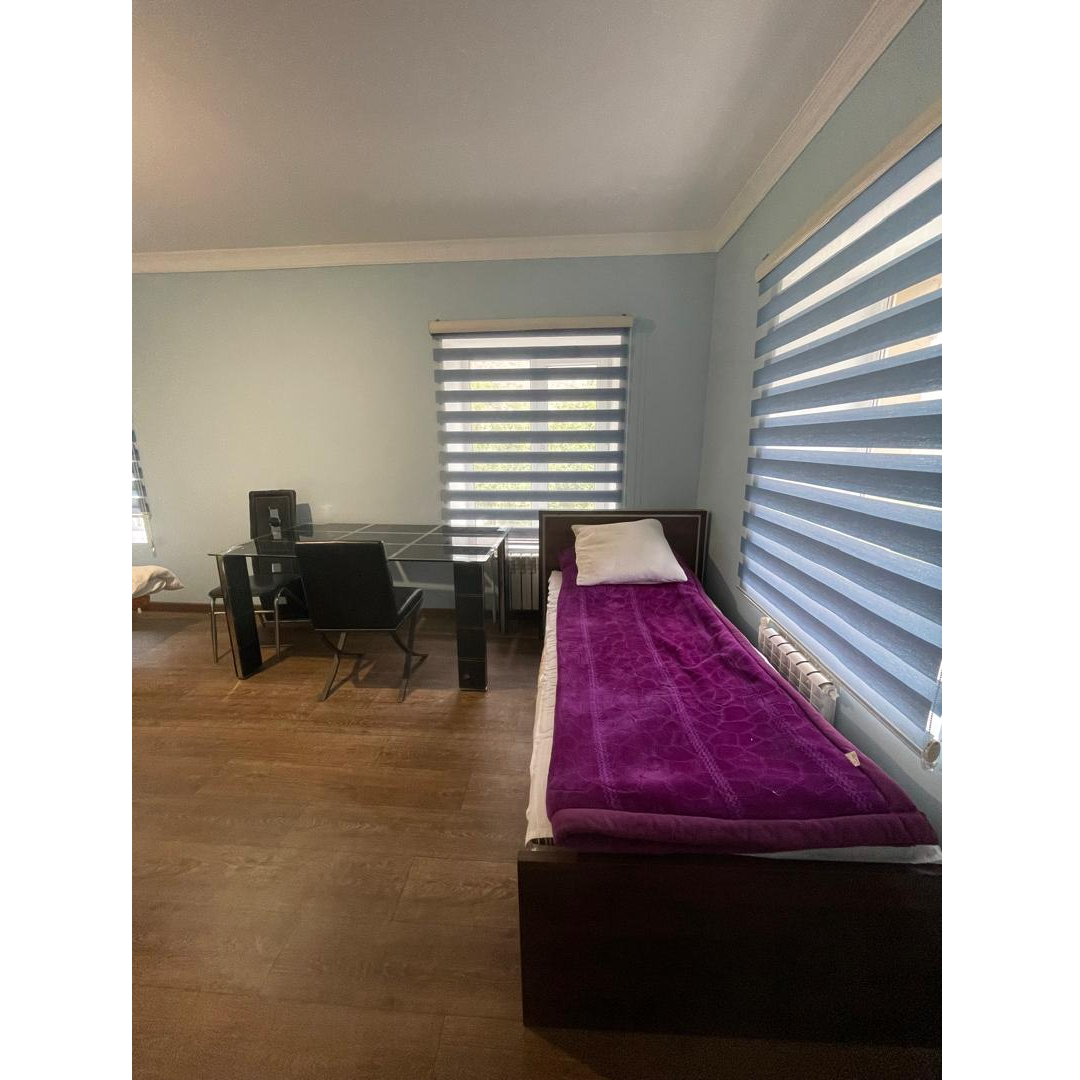
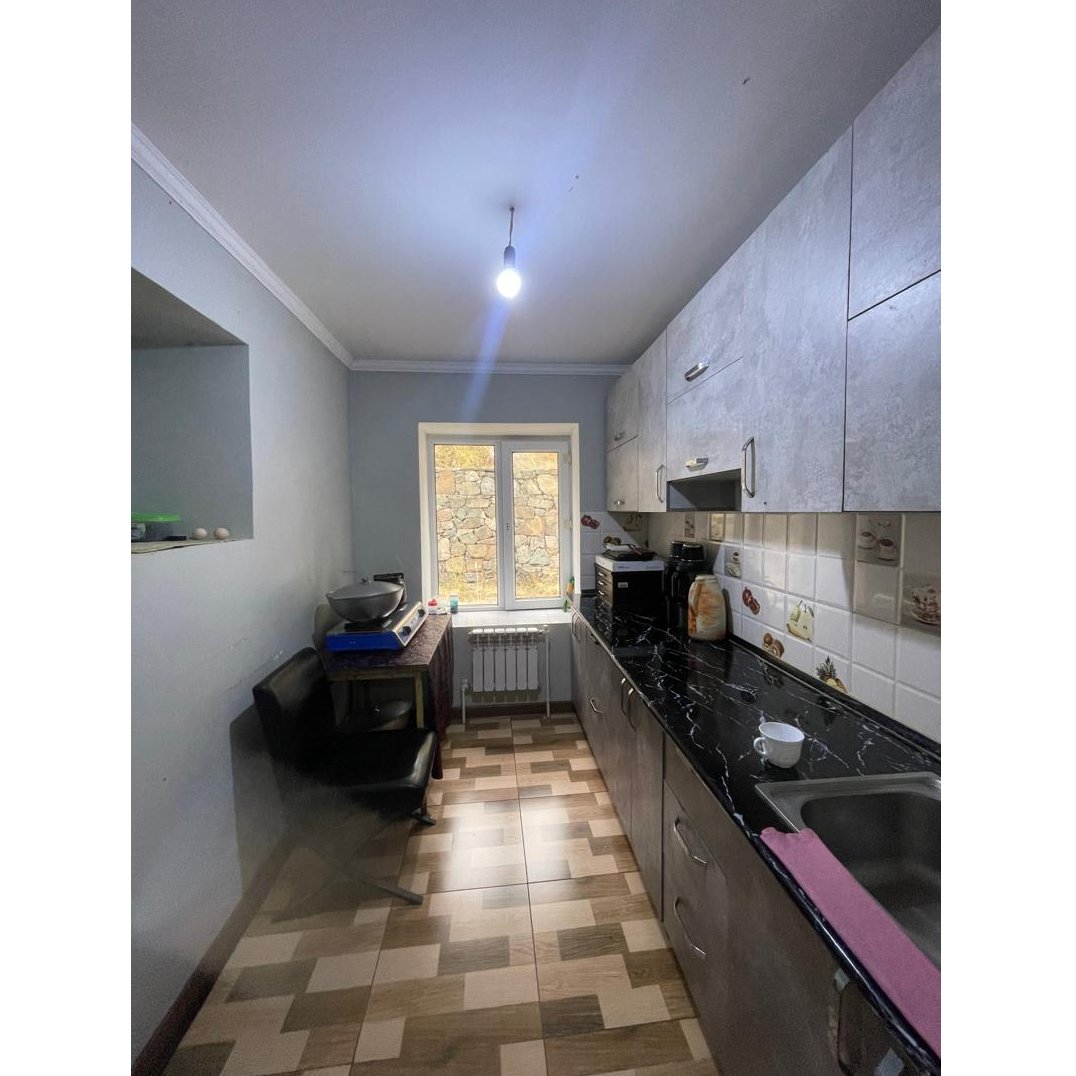
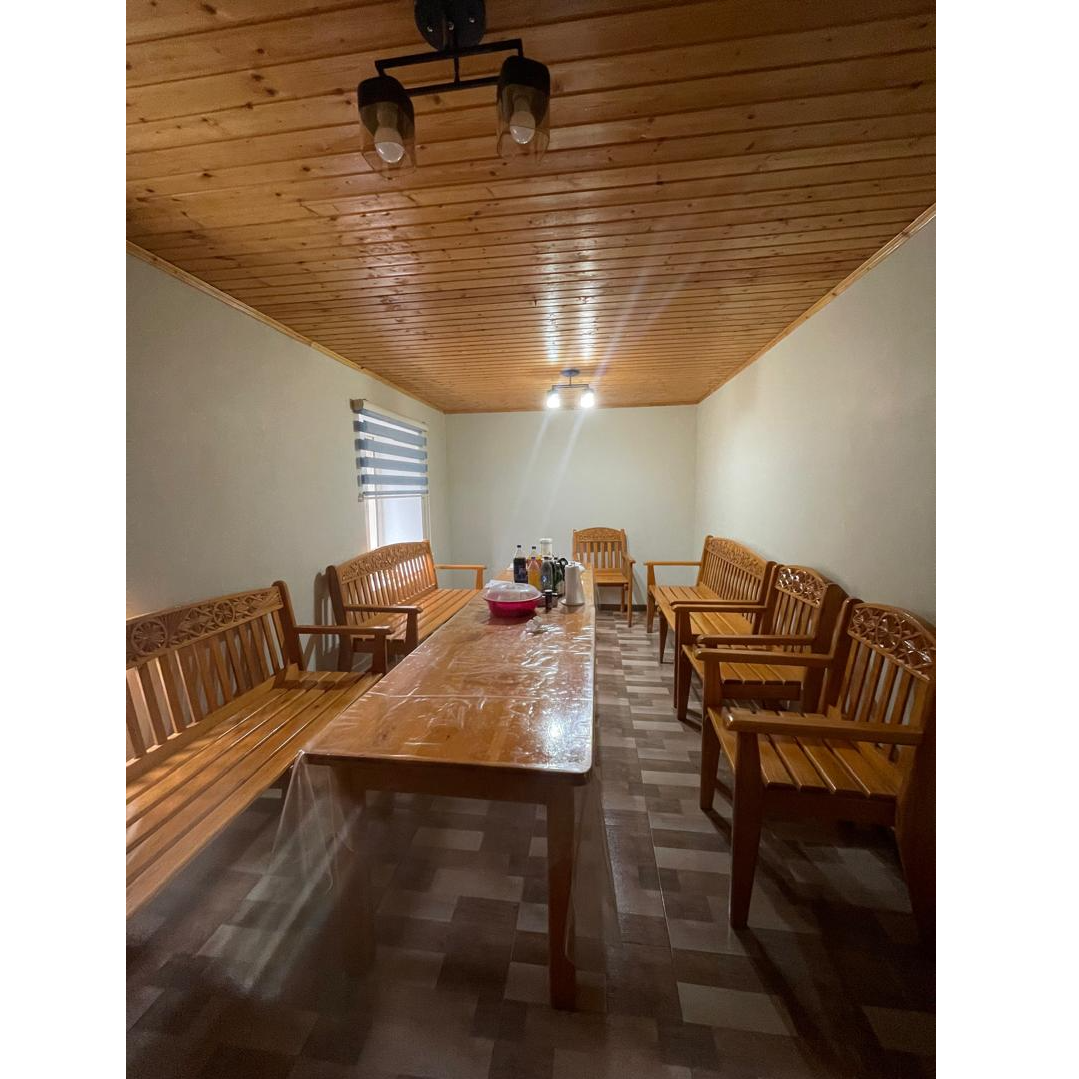
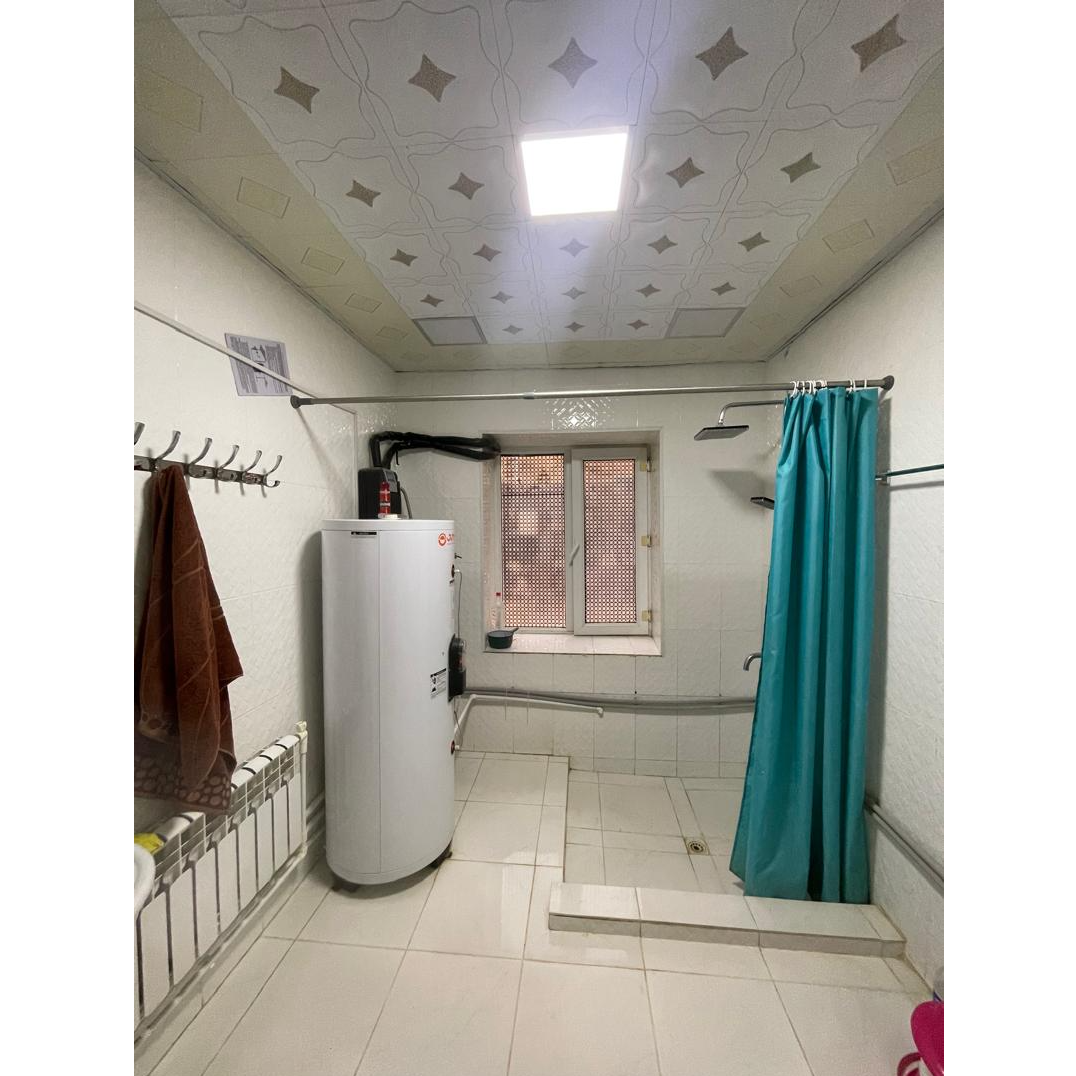
The outfitter utilizes comfortable houses located throughout the mountain hunting country, providing hunters with a practical base close to productive areas. A private hotel is also planned for use by hunting clients. Depending on where mature animals are located and the logistics required to hunt a particular portion of the concession, temporary tent or spike-camp accommodations may occasionally be utilized to place hunters closer to productive glassing areas.
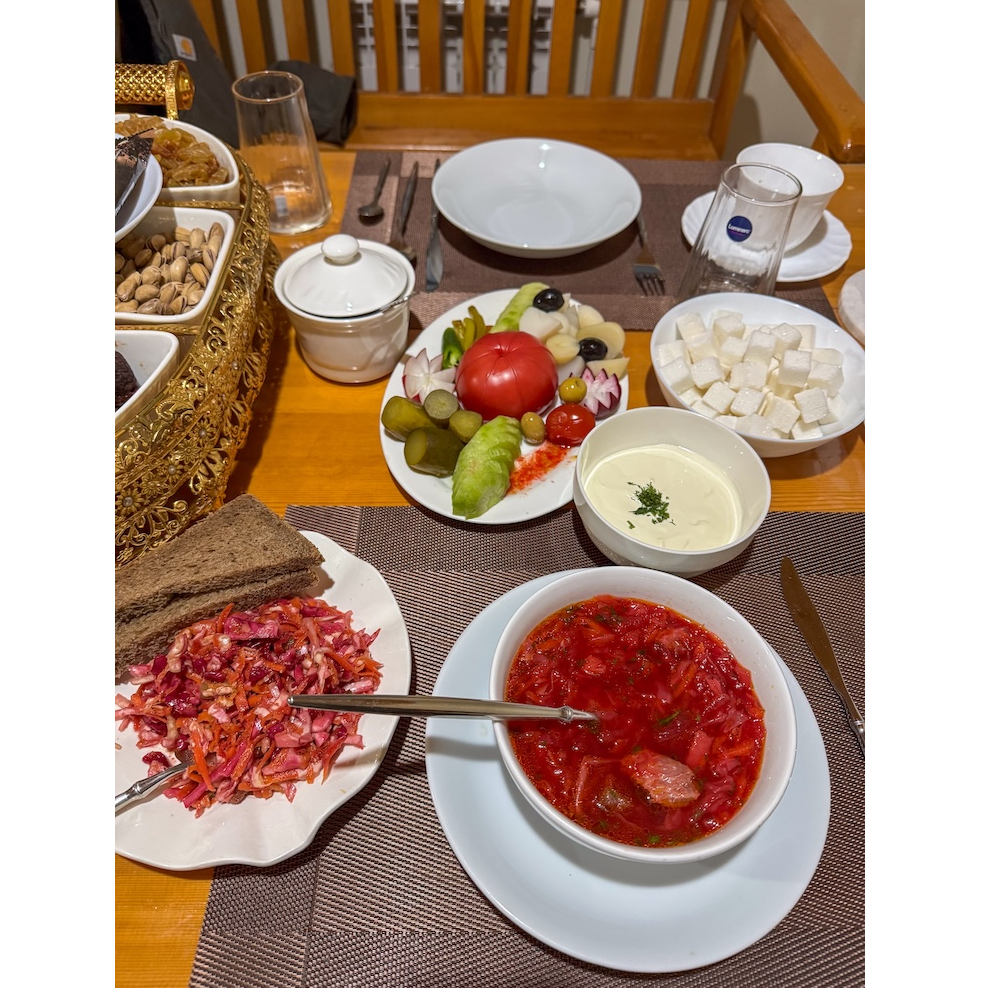
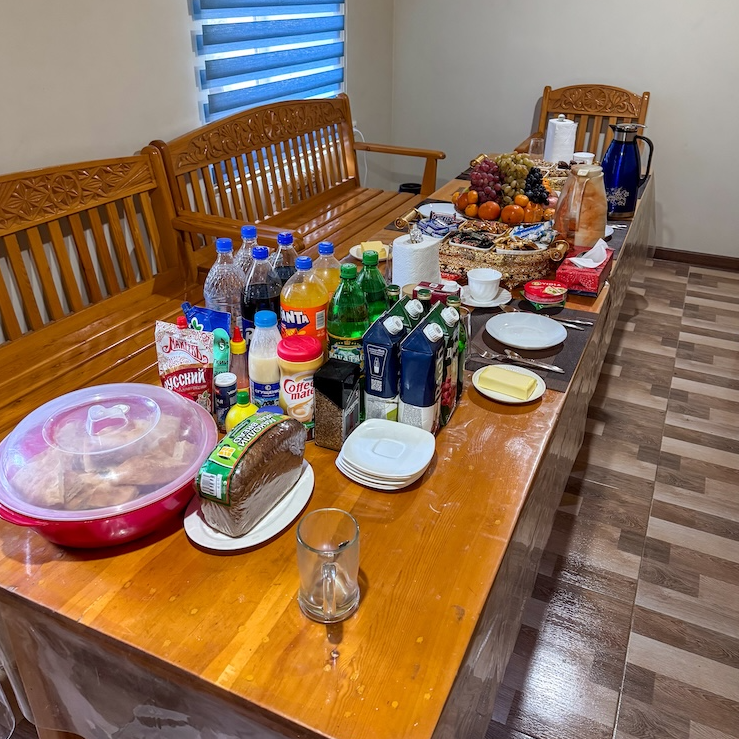
Meals are traditional, hearty, and relatively simple, typically consisting of meat, rice, potatoes, soups, bread, vegetables, and hot tea. Breakfast commonly includes eggs, sausage, bread, and coffee or tea, while field lunches consist of portable foods such as sandwiches, cheese, cured meats, fruit, cookies, and other snacks. Hunters with specific dietary requirements or who prefer familiar foods are encouraged to bring supplemental snacks, protein bars, electrolyte mixes, or similar items from home.
The outfitter typically accommodates approximately four to five hunters at one time and provides extensive support throughout the hunt. Ground transportation, meals and lodging while in camp, professional guiding at a minimum of 1-on-1, trophy preparation, and transportation between the capital city and hunting area are generally included.
LICENSE INFORMATION:
The outfitter coordinates the required hunting documentation and assists clients with the necessary invitation letter and firearm permit. Hunters traveling with their own rifle must provide the required information in advance so the firearm authorization can be completed prior to arrival. The outfitter handles the firearm permit process and associated fees.
Hunters must travel with a valid passport that remains valid for at least six months beyond the conclusion of the trip and should have sufficient blank passport pages available for international travel requirements. Clients should carefully verify that the spelling of their name and passport information matches all hunting, firearm, and travel documentation before departure.
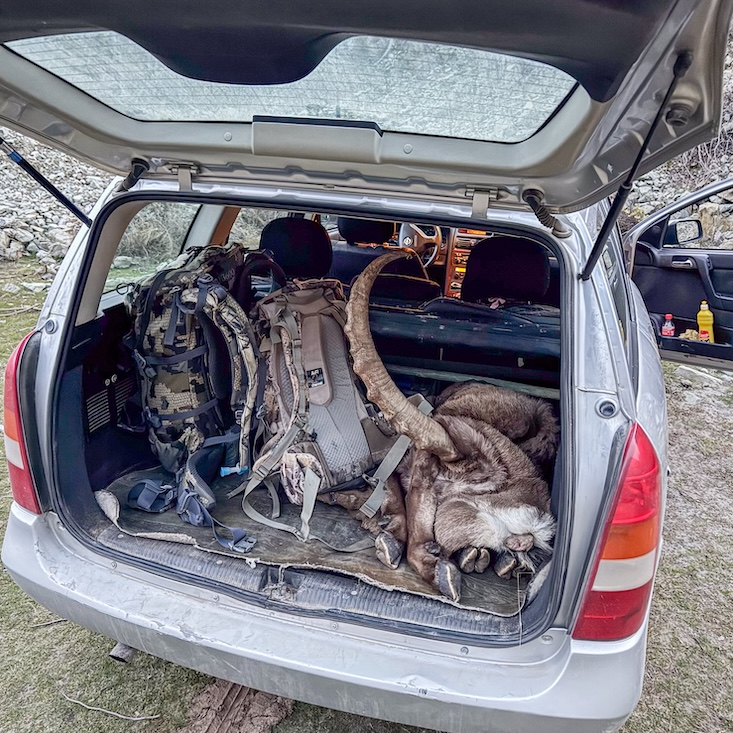
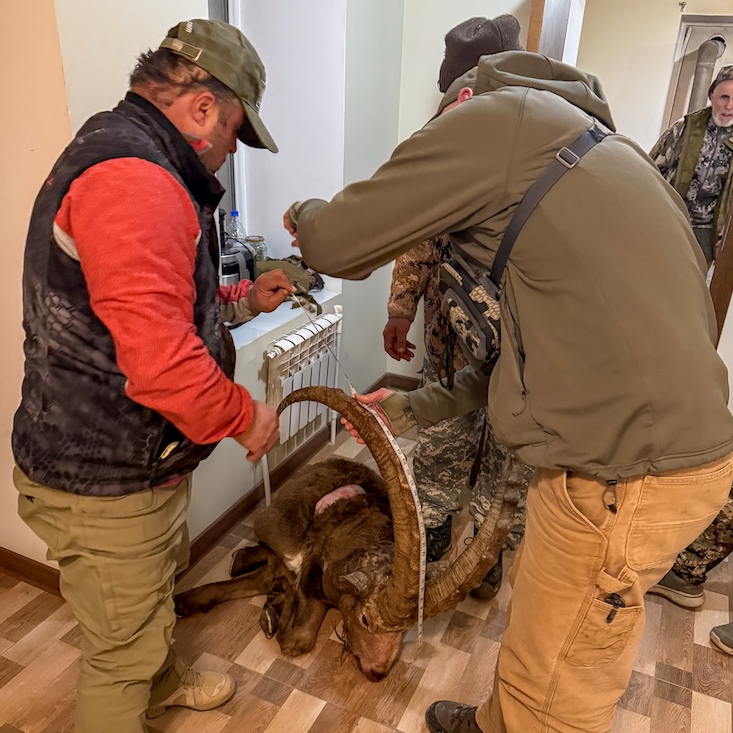
Following a successful harvest, the outfitter handles trophy skinning and field preparation. The meat remains with the outfitter. Trophies may either be prepared for later shipment or, when all necessary arrangements have been completed in advance, may occasionally be transported home by the hunter. Most trophies are shipped following the hunt, and hunters should plan on additional expenses for veterinary documentation, shipping, import clearance, brokerage, and final delivery to their taxidermist. Estimated shipping and import expenses for an ibex trophy can vary, but hunters should budget accordingly and establish their U.S. customs and wildlife-clearing arrangements prior to departure.
Because international wildlife import and export regulations can change, Huntin’ Fool Adventures recommends that every hunter confirm the current requirements for importing a Bukharan ibex trophy into the United States before traveling. The outfitter and trophy exporter will assist with the required Tajikistan documentation, while the hunter and his designated U.S. clearing agent should verify all applicable U.S. Fish & Wildlife Service, customs, veterinary, and port-of-entry requirements well in advance of the hunt.
Show More


 Login
Login