ABOUT OUTFITTER:
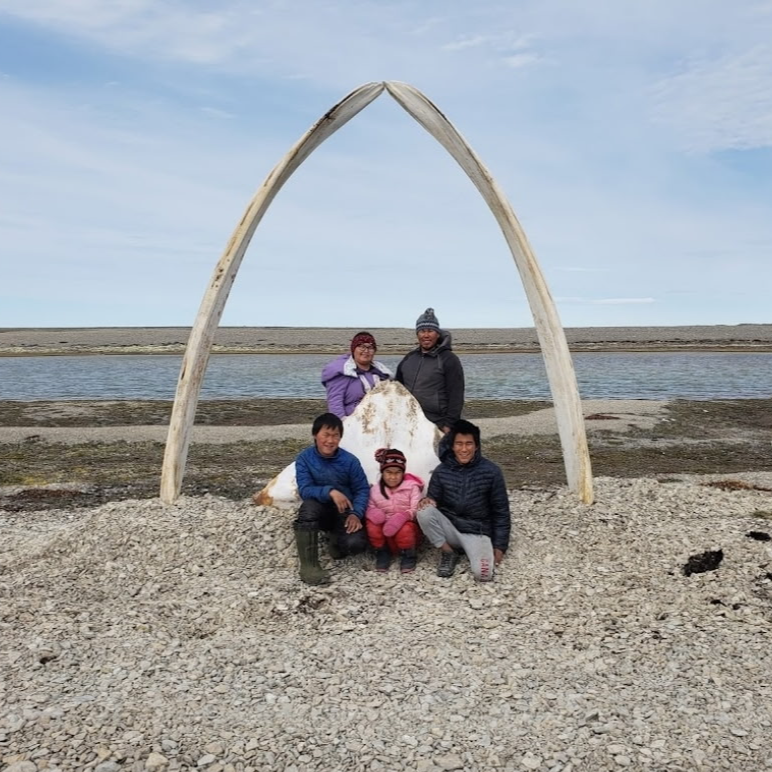
This family-operated Arctic outfitter brings generations of traditional Inuit hunting knowledge and firsthand experience navigating some of the most remote and demanding country in the world. Hunting has been a lifelong way of life for this operation, with knowledge of the land, sea ice, weather, and wildlife passed down through the family and continuing with the next generation today. Hunters benefit from an intimate understanding of polar bear behavior, travel routes, ice conditions, and the constantly changing Arctic environment.
Safety and personal service are central to the operation. Each polar bear hunter is typically supported by the outfitter and three to five additional guides, providing an exceptional level of experience and assistance throughout the hunt. Modern equipment is combined with traditional Arctic hunting methods, including snowmobiles, dog teams, and remote camp systems. These hunts provide clients with far more than an opportunity to harvest a polar bear—they offer an authentic Arctic experience built around Inuit culture, traditional hunting knowledge, challenging conditions, and one of the most iconic big-game species in the world.
HUNT DETAILS:
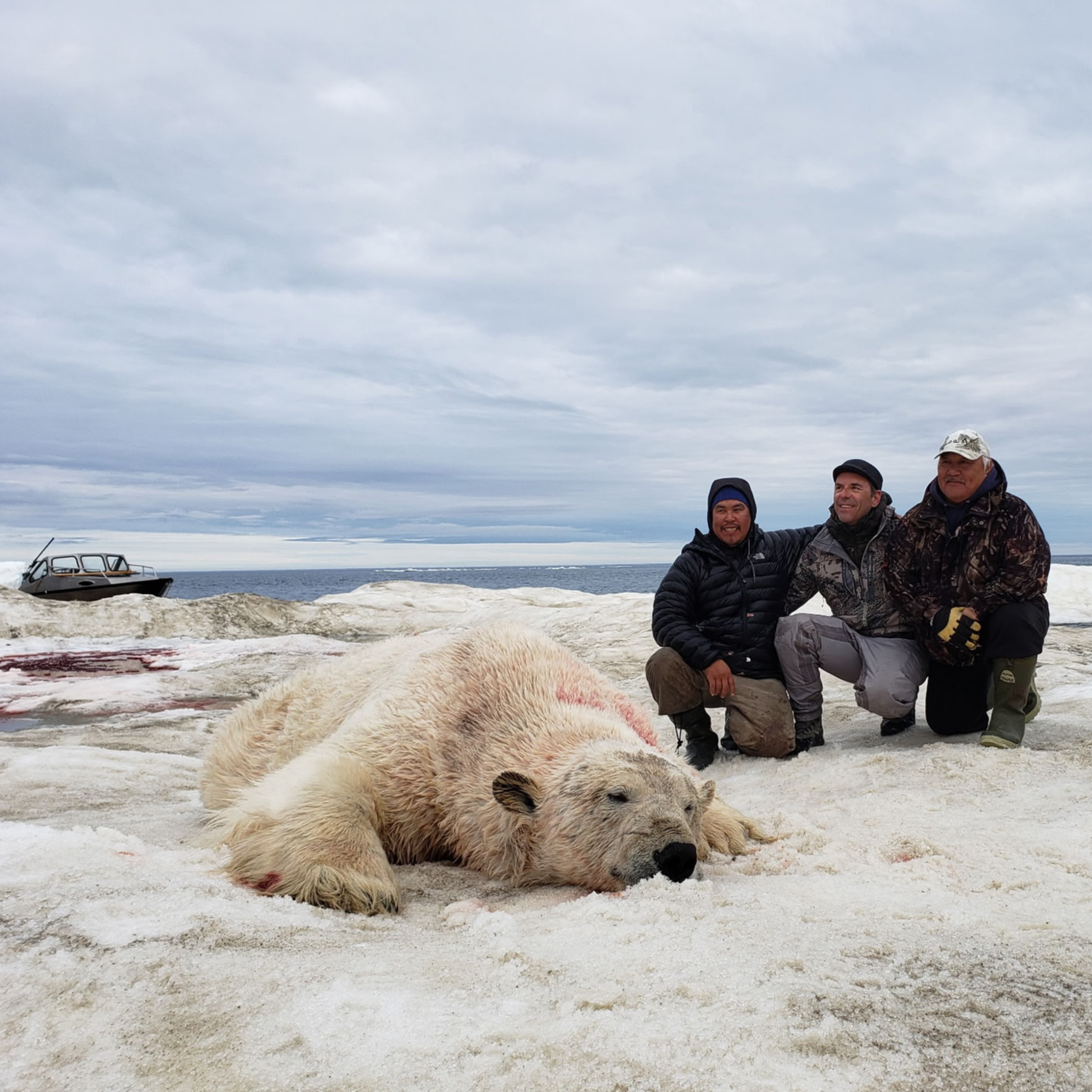
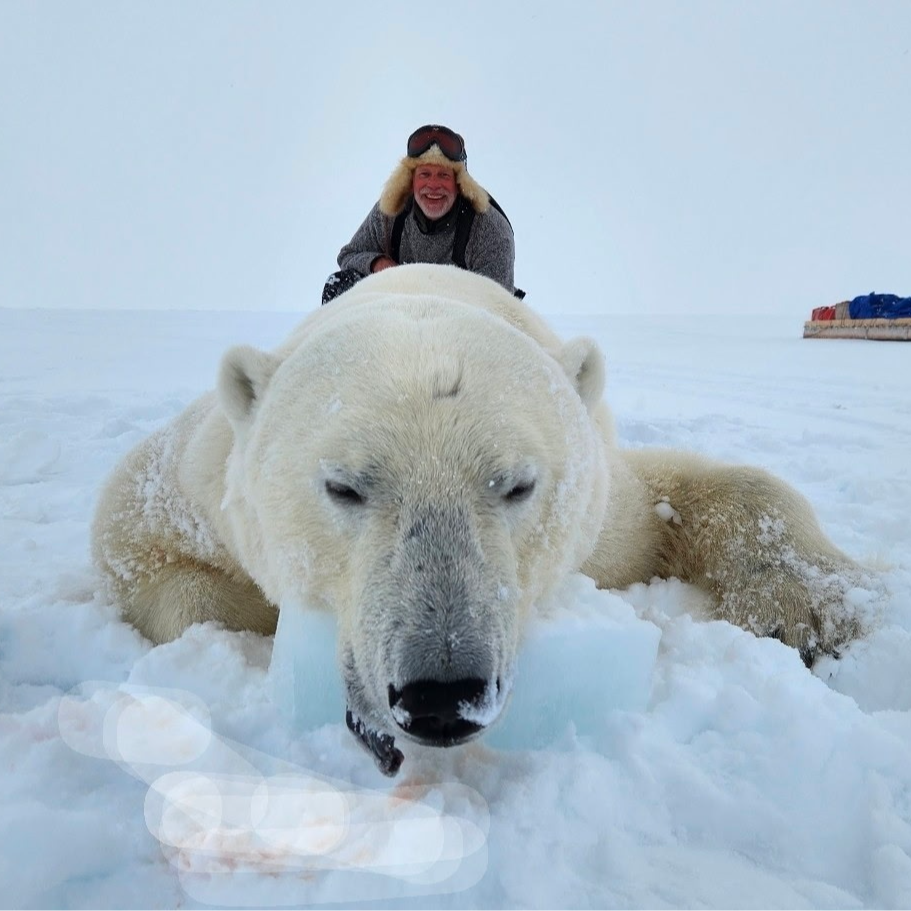
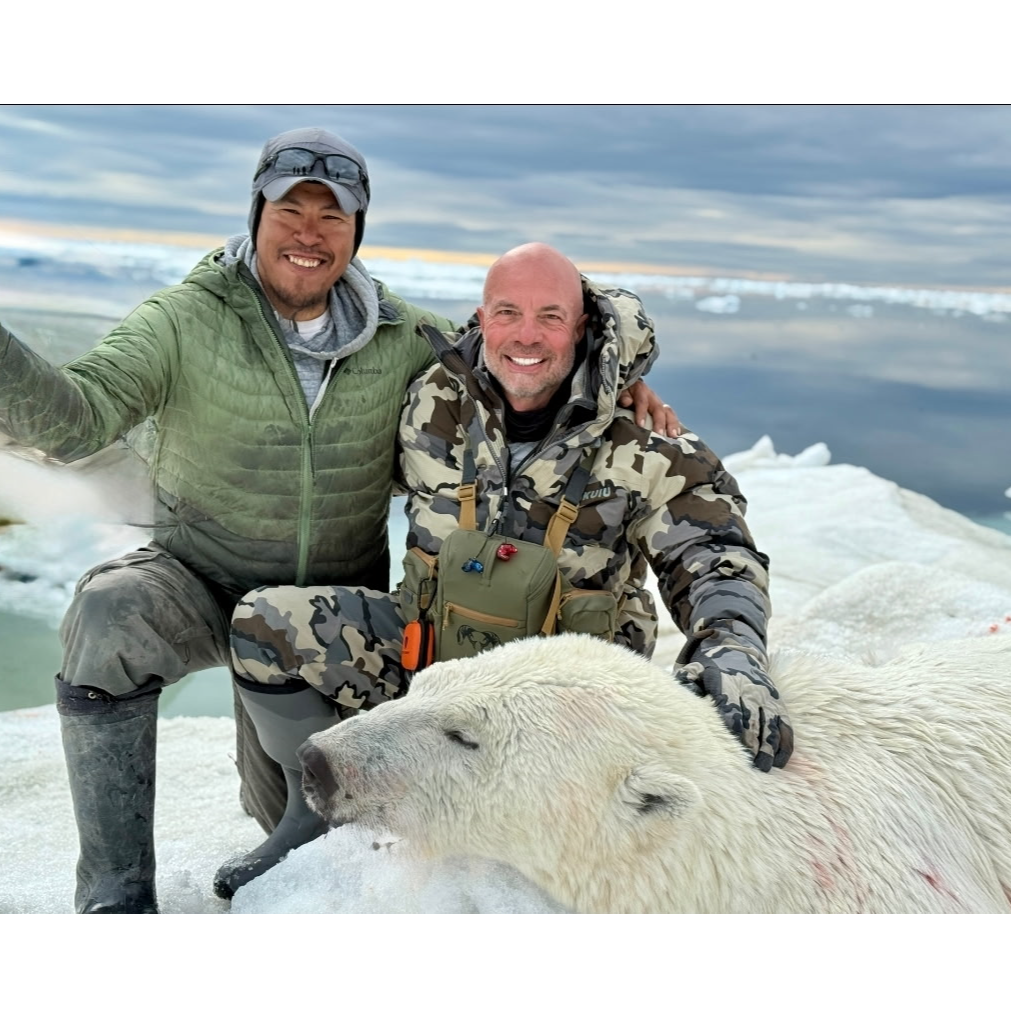
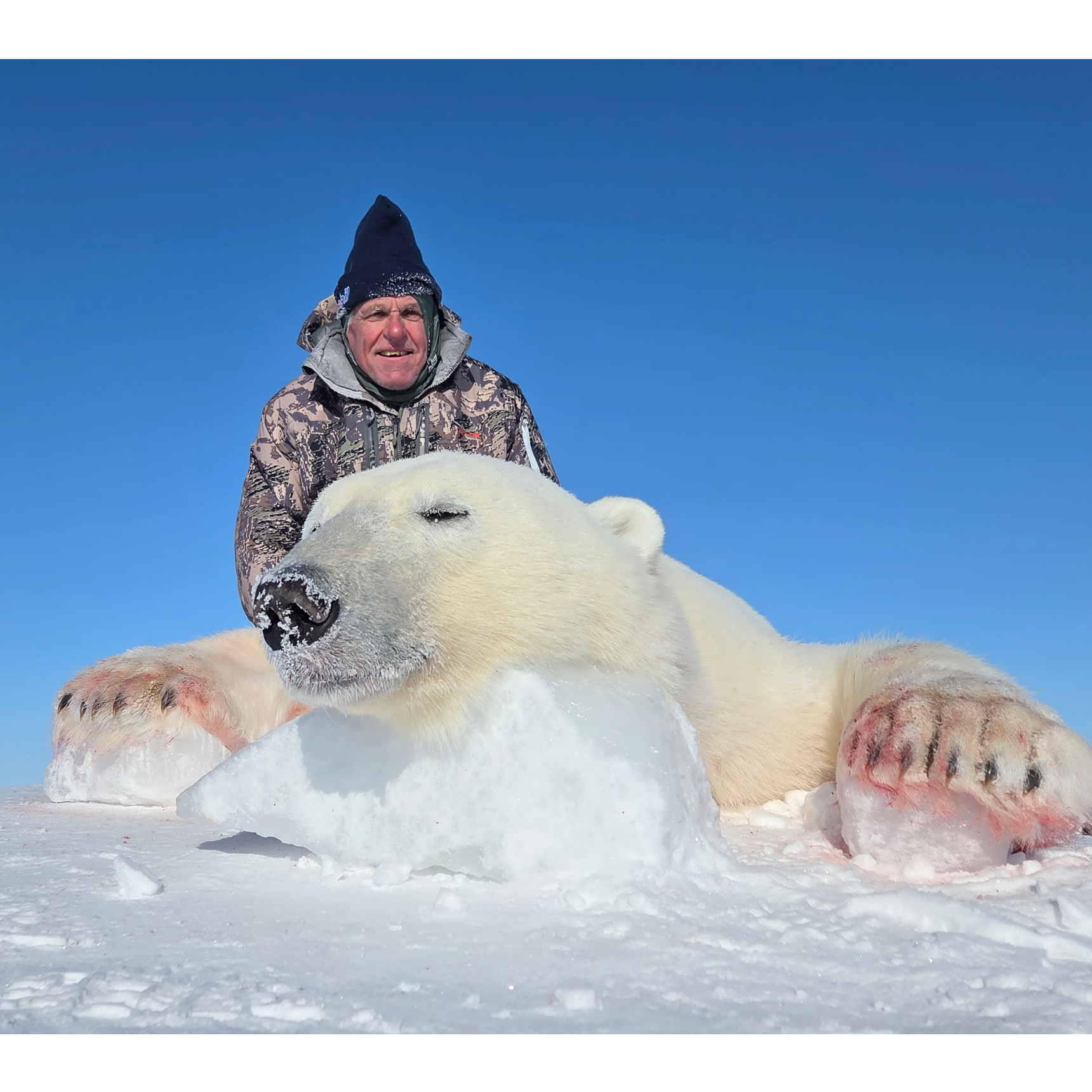
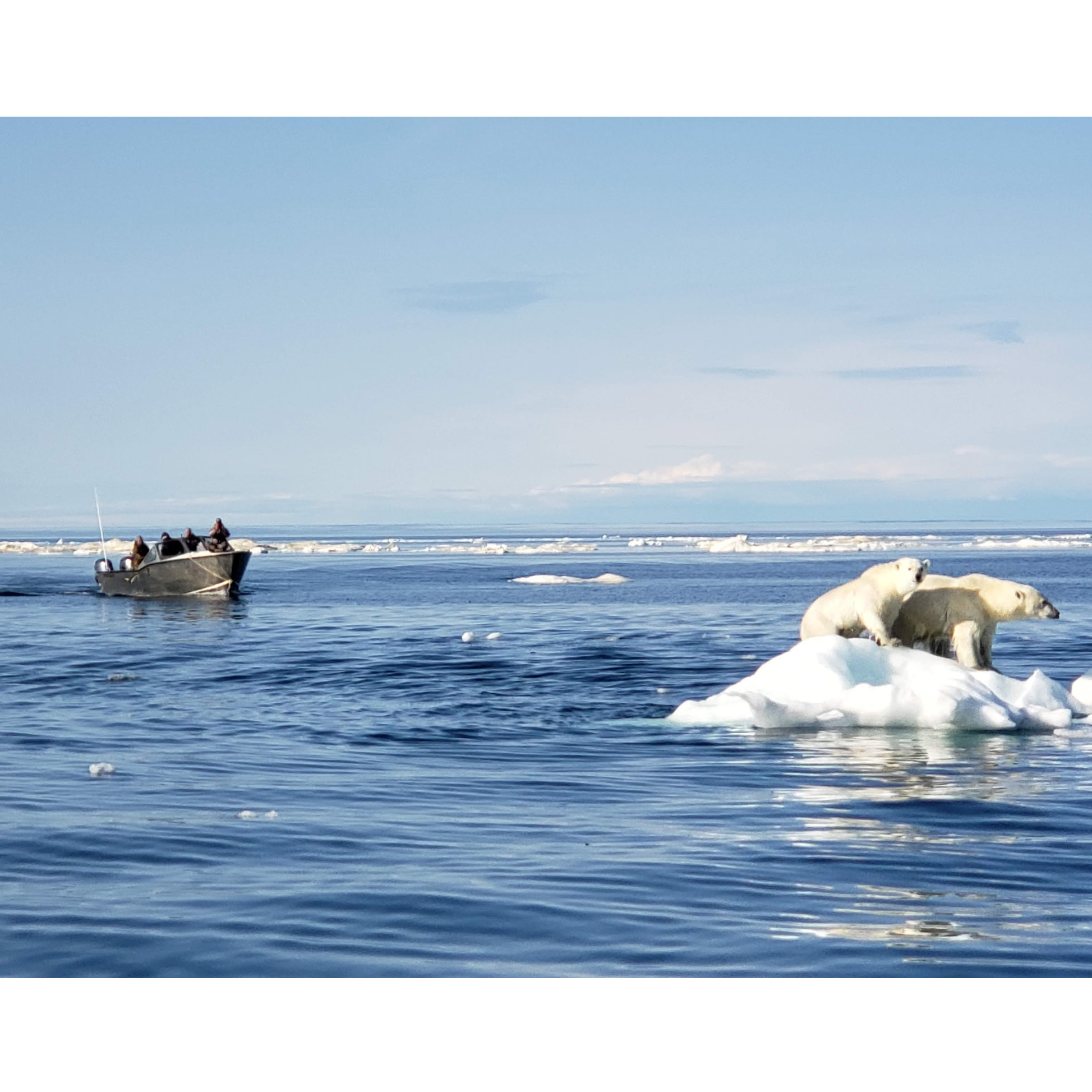
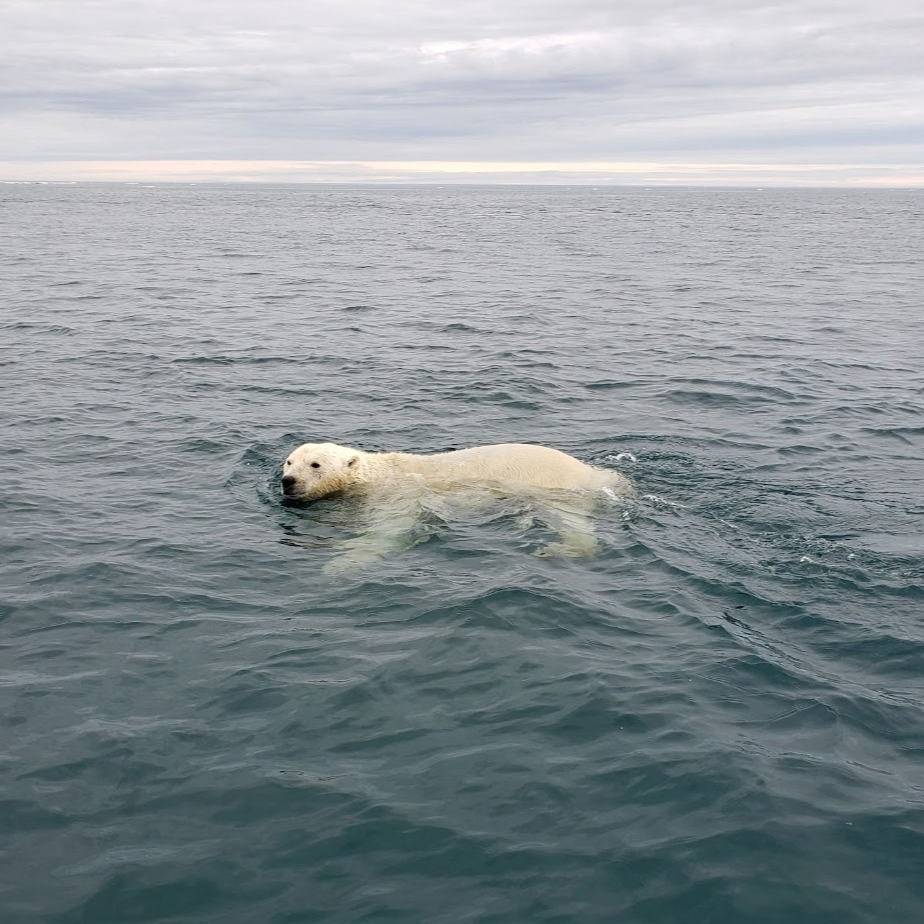
Polar bear hunts are conducted during March and April, with additional hunting opportunities offered during July and August. Hunts are scheduled for 10 full hunting days and take place across thousands of square miles of Inuit lands at approximately sea level. Hunters can expect excellent game populations, with approximately one to five polar bears potentially encountered per day under favorable conditions. The outfitter reports a 100% opportunity rate, and mature bears measuring approximately 8 feet or larger are representative of the trophy potential.
The spring season offers the classic Arctic polar bear hunting experience. March remains extremely cold, with daytime temperatures commonly ranging from approximately -13°F to 5°F and nighttime temperatures dropping well below zero. By April, temperatures typically moderate somewhat, with daytime highs ranging from approximately 5°F to 23°F. Increasing daylight, solid sea ice, improved visibility, and increased bear movement can create excellent hunting conditions. The polar bear breeding season generally occurs from March through May, with activity often peaking during late April.
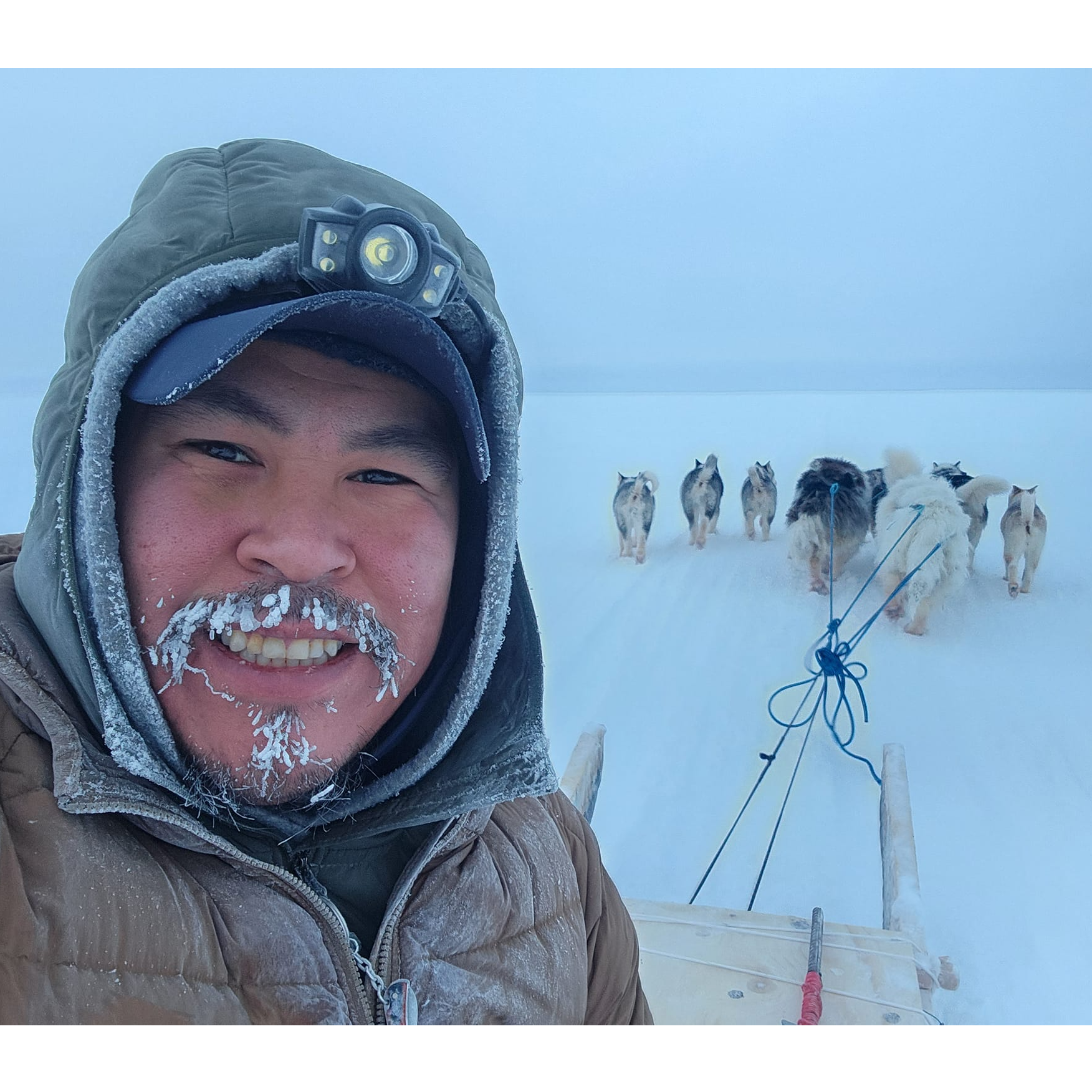
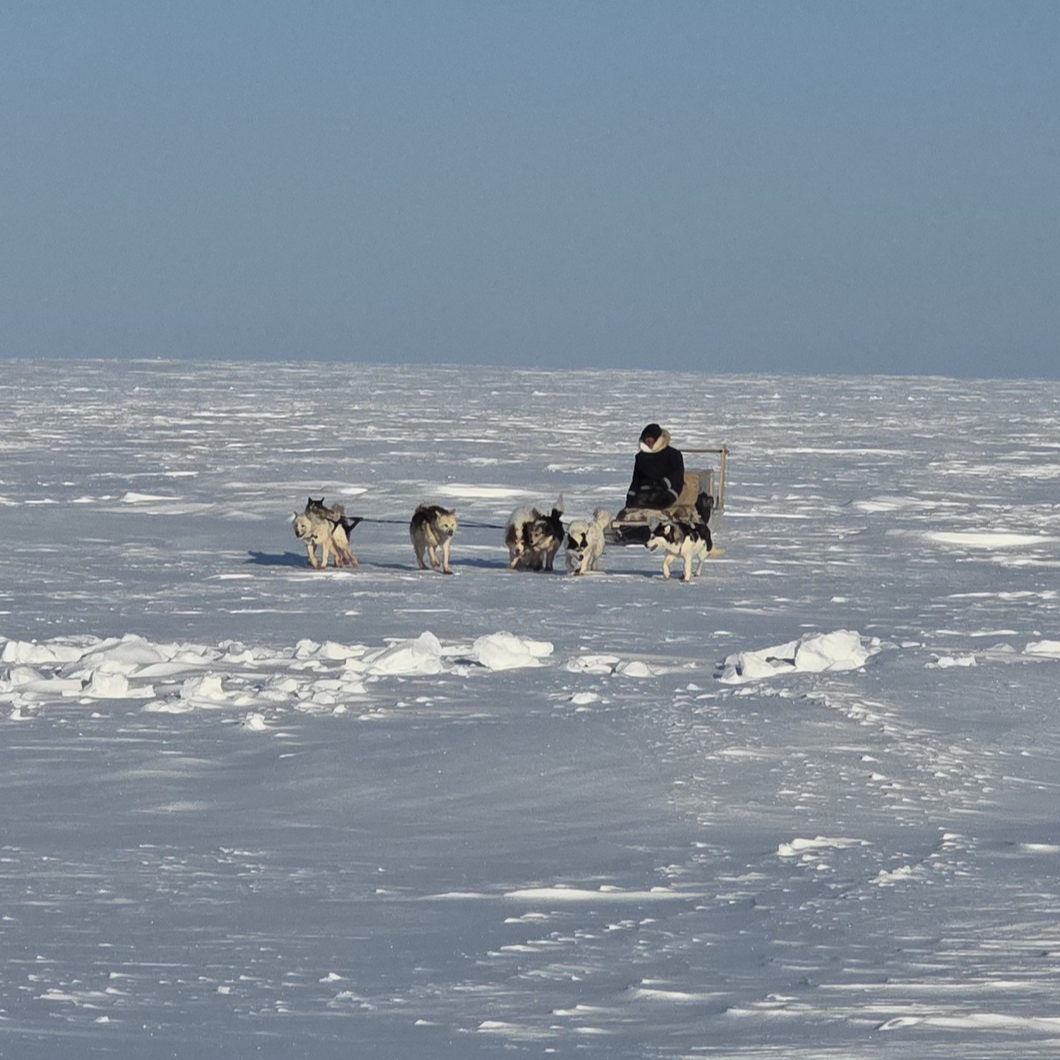
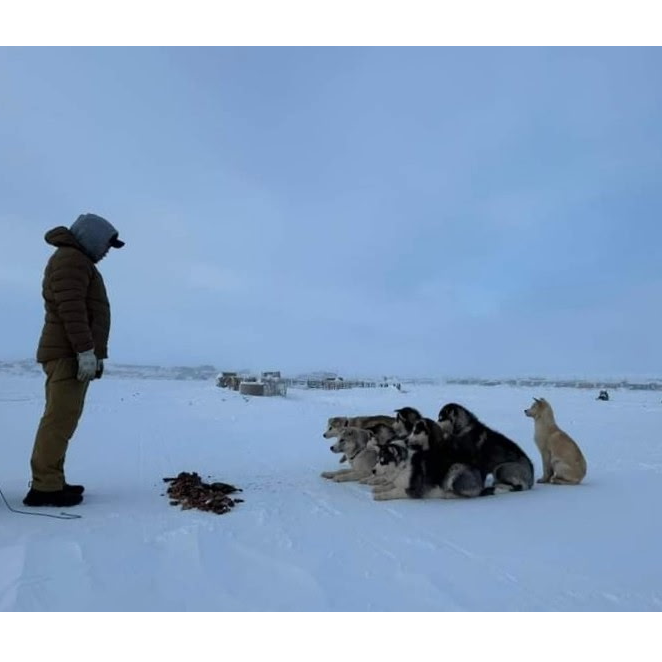
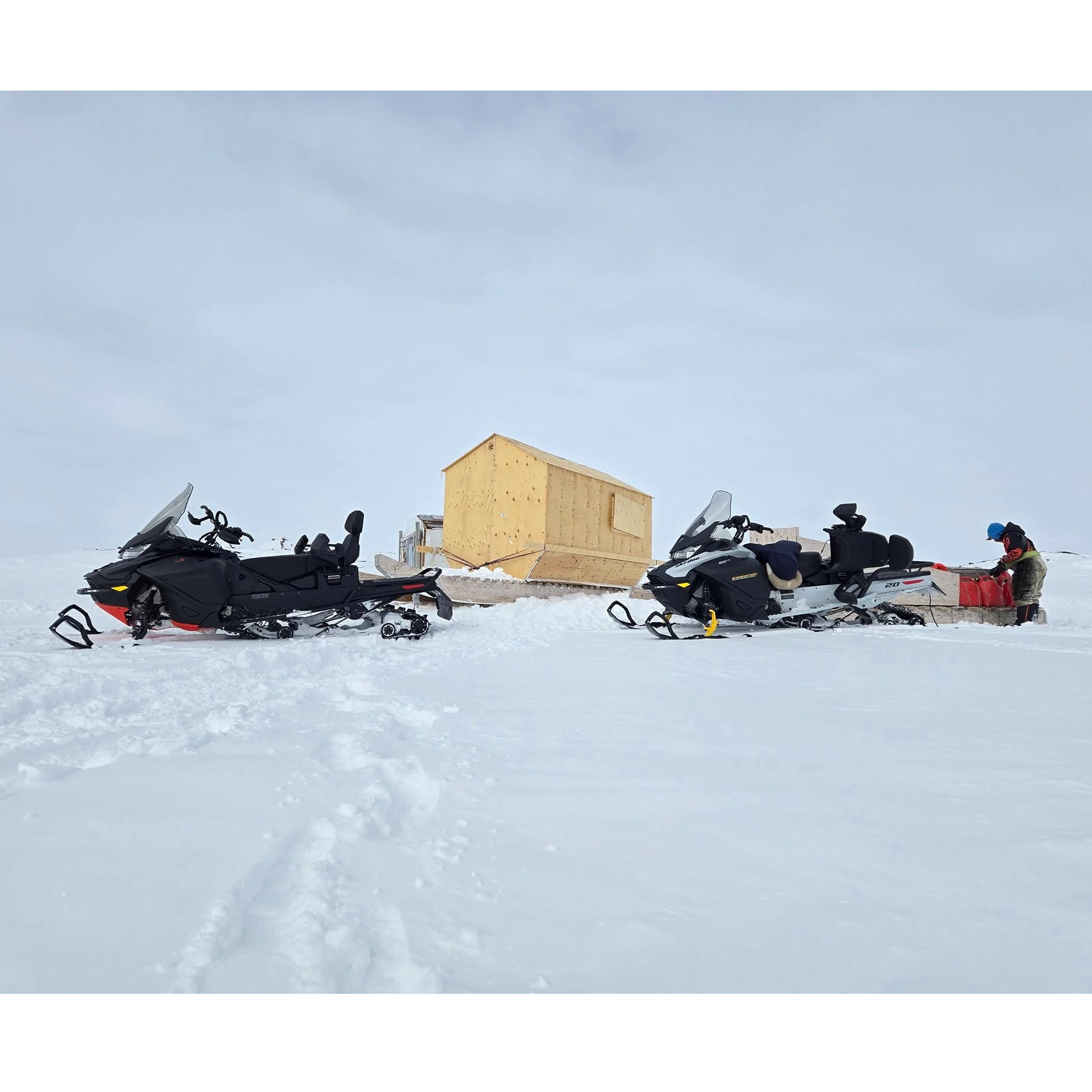
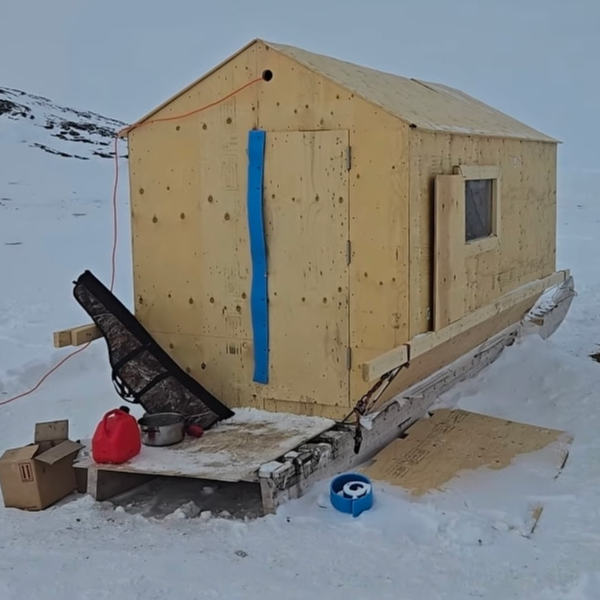
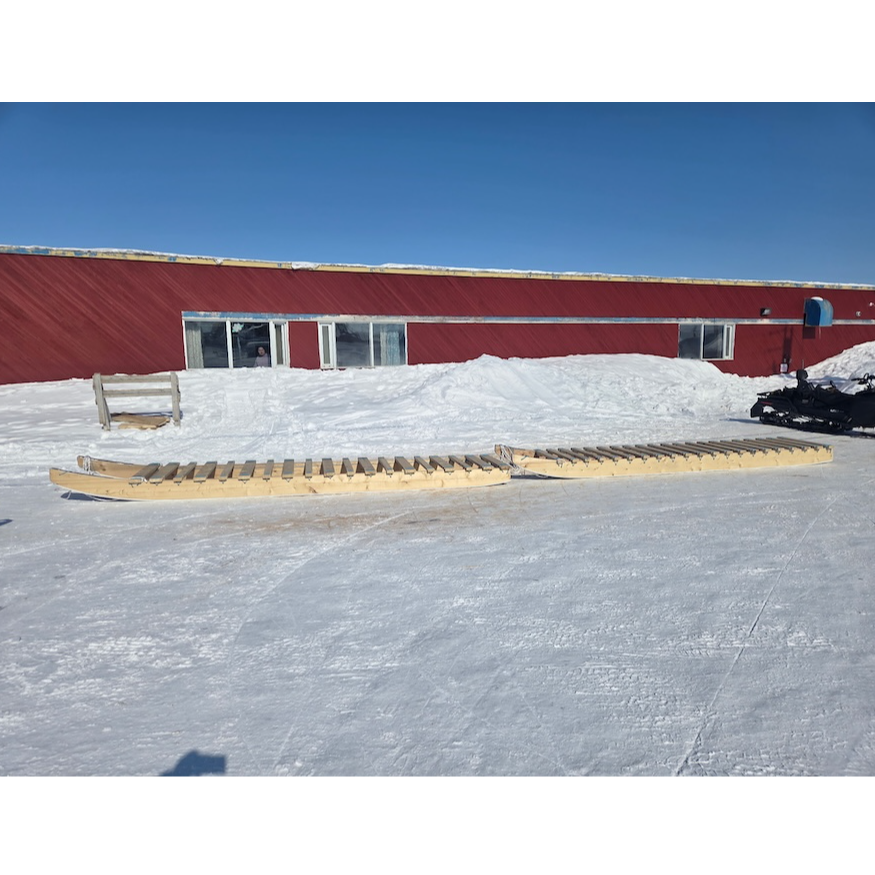
Hunting is highly mobile and conditions dictate the daily strategy. Guides may establish insulated tent camps or utilize small Arctic huts while traveling through productive bear country. Each morning begins with breakfast and an evaluation of weather, wind, visibility, ice conditions, and recent bear activity. Camp is generally packed before the group begins searching so hunters can remain mobile and relocate as necessary. Snowmobiles, traditional dog sleds, or ATVs may be used depending on the season and conditions.
Rather than routinely hunting from permanent accommodations, the guides prefer to remain in productive bear country whenever possible. This allows the hunting party to take advantage of bears moving through the area at virtually any hour. Polar bears may travel past camp during the night, and hunters should be prepared for an opportunity whenever one presents itself. Small cabins are available in portions of the hunting country and may be utilized during whiteouts, severe weather, or when the group needs an opportunity to rest and recover.
Most rifle opportunities occur inside 100 yards. Hunters are encouraged to bring a dependable rifle of .28 caliber or larger utilizing a bullet weighing at least 200 grains. Archery hunting may also be available, with hunters expected to remain within their personal effective range. Fixed-blade broadheads are strongly recommended, although certain expandable broadheads may also be suitable. Regardless of weapon choice, hunters should arrive thoroughly practiced and confident with their equipment.
The physical difficulty of the hunt is considered moderate, but Arctic weather, cold temperatures, uneven ice, snow, wind, and extended travel can significantly increase the challenge. Flexibility is extremely important, as weather and ice conditions can change rapidly and may determine when and where the hunting party can travel.
Meals are prepared throughout the hunt, beginning with hearty breakfasts that commonly include eggs, bacon, sausage, and toast. Field lunches typically consist of sandwiches, noodles, crackers, snacks, cookies, and hot beverages. Hunters return to camp to a hot dinner each evening, with meals such as meat dishes, soups, salads, spaghetti, and seafood boils commonly served.
The scheduled hunt concludes once a polar bear has been harvested, and successful hunters may depart whenever travel arrangements allow. Additional hunting days may be available for approximately $600 CAD per day. Depending on availability and season, hunters may also have the opportunity to pursue bearded seal for an additional fee.
Hunters should understand that a wounded polar bear is considered a harvested animal. If blood is drawn or there is clear evidence that the animal has been hit, the remainder of the hunt will be dedicated to recovering that bear. Guides will make every reasonable effort to track and recover wounded game, but recovery efforts may ultimately be limited by weather, ice conditions, safety concerns, or other environmental factors. Hunters are therefore strongly encouraged to take only ethical, high-percentage shots and arrive proficient with both their firearm or bow and their chosen ammunition or broadhead.
ACCOMMODATIONS:
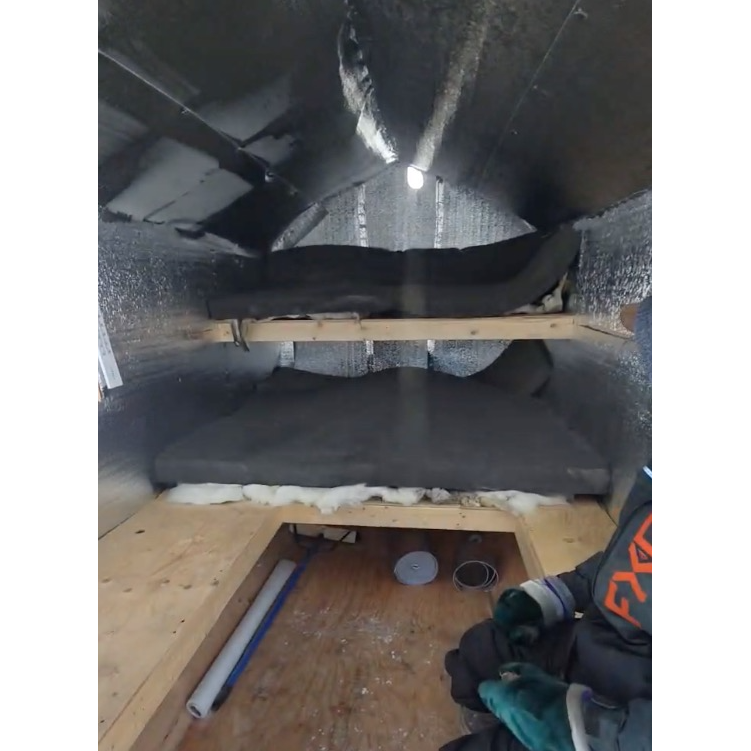
The polar bear hunt is designed around a remote Arctic camp experience. While hunting away from the community, hunters may stay in insulated Arctic huts, small cabins, or heated tent camps depending on current conditions and the location of the bears. Camps are intentionally mobile, allowing the guides to remain close to productive hunting areas rather than returning to town each evening.
Small cabins located throughout portions of the hunting country may also be used during severe weather, whiteout conditions, or when the hunting party needs a comfortable place to rest. Whenever conditions permit, however, guides generally prefer camping directly in bear country because a polar bear may pass near camp at any time, creating an opportunity that could otherwise be missed.
Hunts are generally conducted with one hunter and may accommodate an observer. When hunters are required to remain in the community before or after the hunt, or when weather makes travel into the field impossible, accommodations are available through local hotels, motels, or bed and breakfasts. These community accommodations are not included in the hunt package and are paid separately by the client.
Hunters should also plan for accommodations in southern Canada before traveling north. Arctic air travel is highly dependent on weather, and delays are always possible. Building additional travel days into the itinerary before and after the hunt is strongly recommended.
The hunt package includes 10 full hunting days, transportation during the hunt by snowmobile, dog sled, ATV, or other appropriate Arctic transportation, meals while hunting outside the community, remote cabin, hut, or tent accommodations, applicable taxes, initial skinning and freezing of the trophy, and required CITES and legal export documentation.
Clients are responsible for airfare, accommodations before and after the hunt, accommodations required because of weather delays, firearm rental if needed, additional hunting days, trophy transportation, air freight, taxidermy or replica work, international trophy transportation, gratuities, and other personal travel expenses. Any additional expenses resulting from weather delays or circumstances beyond the outfitter's control are also the responsibility of the client.
LICENSE INFORMATION:
Polar bear hunts are conducted through outfitter-controlled allocations on Inuit lands. The outfitter coordinates the required licensing, tag, CITES documentation, and legal export paperwork associated with the hunt. Clients should confirm current licensing and tag fees prior to departure, as government costs are subject to change.
Hunters should be aware that polar bear trophies are currently not importable into the United States or Mexico. Because of this restriction, many hunters choose to have detailed measurements and photographs taken so a high-quality replica mount can be produced after the hunt. Arrangements with a qualified replica taxidermist are strongly recommended before departure so hunters understand exactly which measurements, photographs, and reference details should be collected in the field.
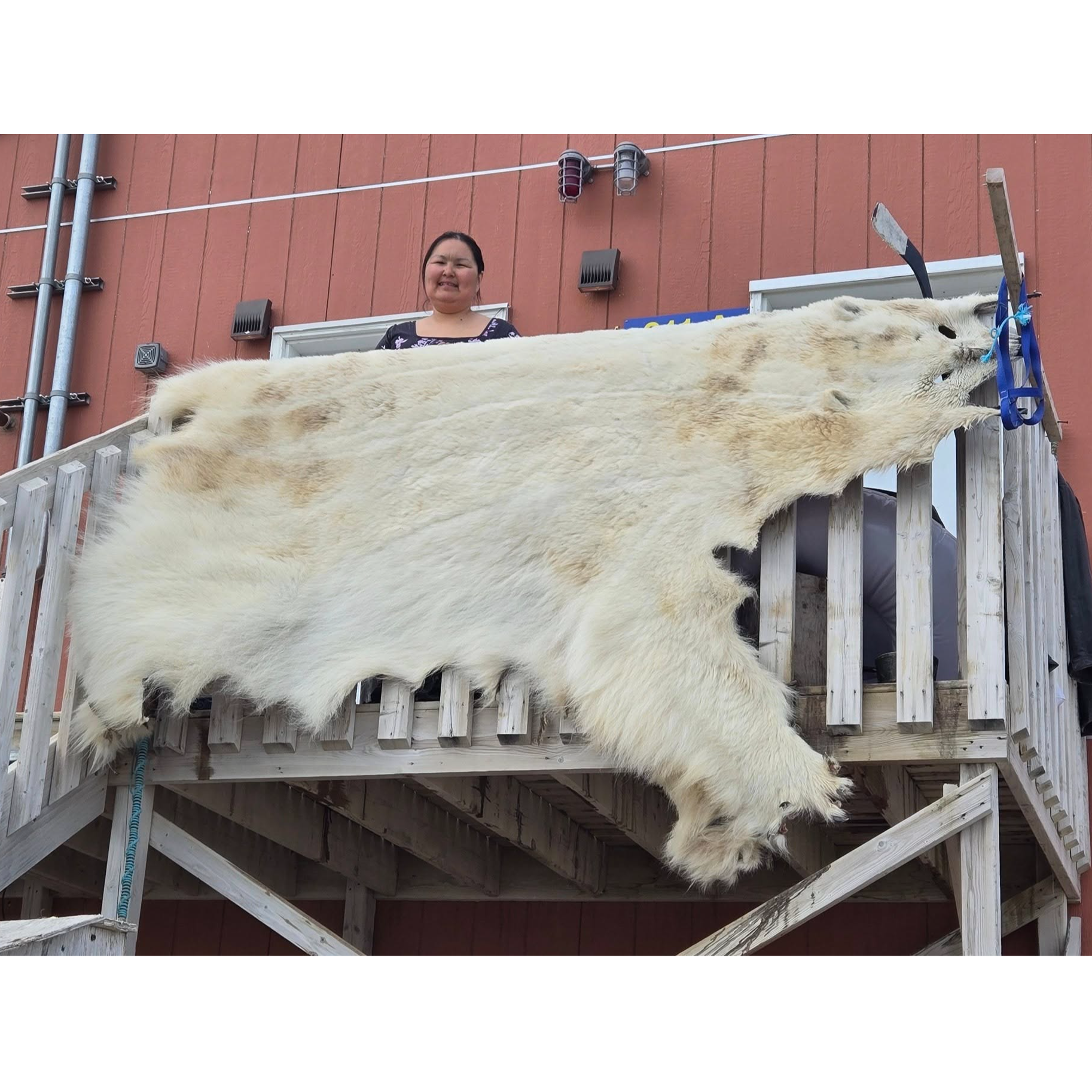
Initial trophy preparation, including skinning and freezing, is handled by the outfitter. Transportation of the hide, air freight from the Arctic, international freight, taxidermy, replica work, crating, and other trophy-related expenses are the responsibility of the client. Polar bear meat generally remains in the Arctic unless the hunter wishes to undertake the extensive customs and transportation process required to remove it.
Show More

 Login
Login
