June 2026
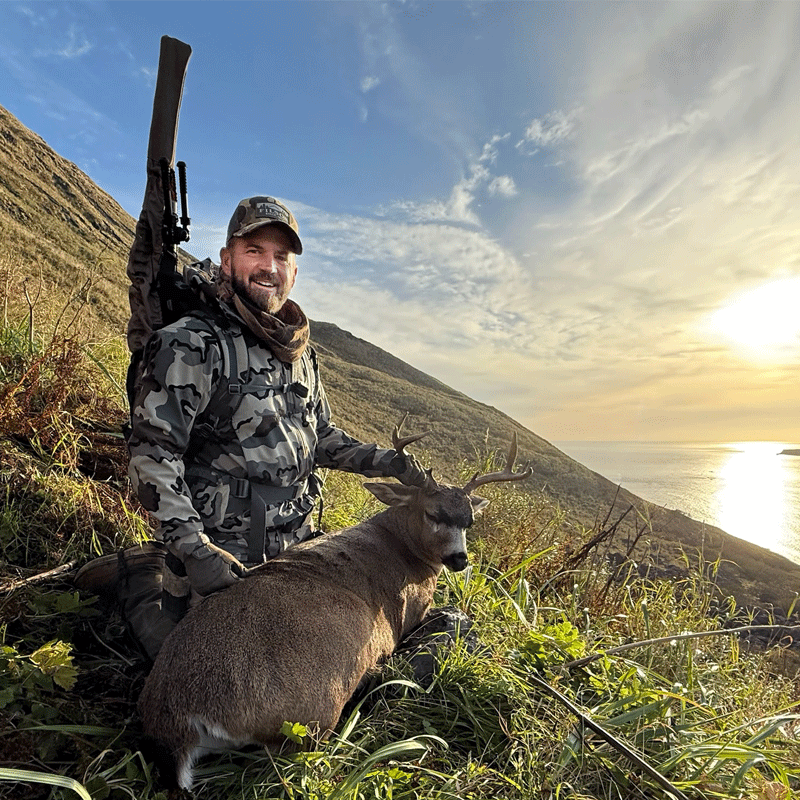
Kodiak Blacktail: Brutal and Unforgettable
Story by: Lance White
There are hunts that come and go, blending into the seasons and the years. And then there are hunts that stay with you—ones that feel so vivid, so alive that, even when they’re over, they keep playing in your mind like a film you can’t stop watching.
My hunt on Kodiak Island was one of those. For a while, I honestly thought I might wake up and find it was just a dream—some story my imagination had spun on a cold Texas night. But it wasn’t a dream. It was real, in every sense of the word.
THE JOURNEY NORTH
From the moment we feasted our eyes on Alaska, we knew this trip was going to be different. Eight of us had traveled from Texas, all longtime friends and hunting partners, chasing a boyhood dream—to hunt Sitka blacktail deer on the legendary island of Kodiak.
After flying into Anchorage and then to the town of Kodiak, we loaded into a small Cherokee aircraft that looked barely large enough to carry us and our 1,040 pounds of gear. The flight to meet our transporter was bumpy and wild—the kind that keeps your knuckles white and your eyes glued to the window. But the view was breathtaking: mountain goats clinging to cliffs, streams transitioning to high mountains, and the sea stretching endlessly below.
When we landed, our transporter, Garrett Lambert, met us with a grin and a line I’ll never forget. “Boys,” he said, “it’s a bad week to be a deer on Kodiak.”
We laughed, not yet knowing how true—or how hard-earned—that would prove to be.
LIFE ON THE MISTY FJORD
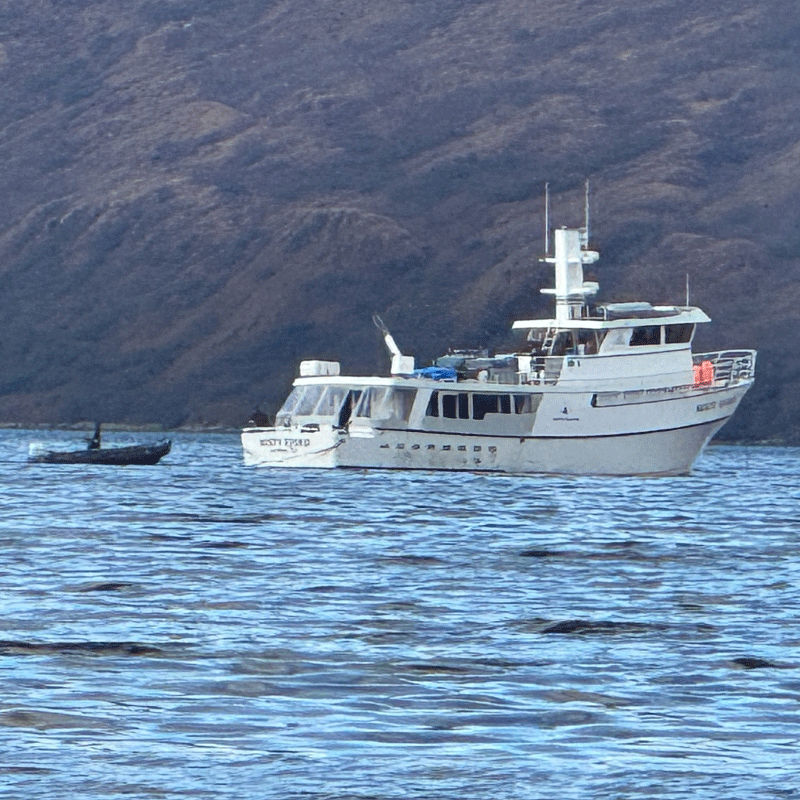
Our base of operations was a 65-foot vessel called the Misty Fjord, crewed by Garrett, Corey, Alli, and Brandon—four of the most capable, hard-working, and hospitable people you could ever share a hunt with. They handled the logistics, guided the fishing and duck hunting, cooked our meals, and created an environment that felt like home in the middle of the Gulf of Alaska.
Each morning began the same way. We’d wake before dawn in warm bunks, gather in the galley for a short devotional, and share a breakfast that could have come from a family kitchen—eggs, bacon, fresh biscuits, and coffee strong enough to chase off the morning fog. After that came a strategy session around the big screen: weather, wind, drop-off points, and bear status. Then we’d gear up, step into the skiff, and head into the dark in pairs or triples.
INTO THE WILD
Kodiak doesn’t hand out trophies easily. That island makes you earn every step, every glimpse, every ounce of success.
We clawed our way through tangles of alder, devil’s club, and rose hips so thick they seemed alive. The mountains rose steep and unforgiving, the footing was treacherous, and the weather—Kodiak weather—shifted from calm to chaos in minutes. And always, in the back of your mind, was the knowledge that you were not the top of the food chain. The brown bears reminded you of that.
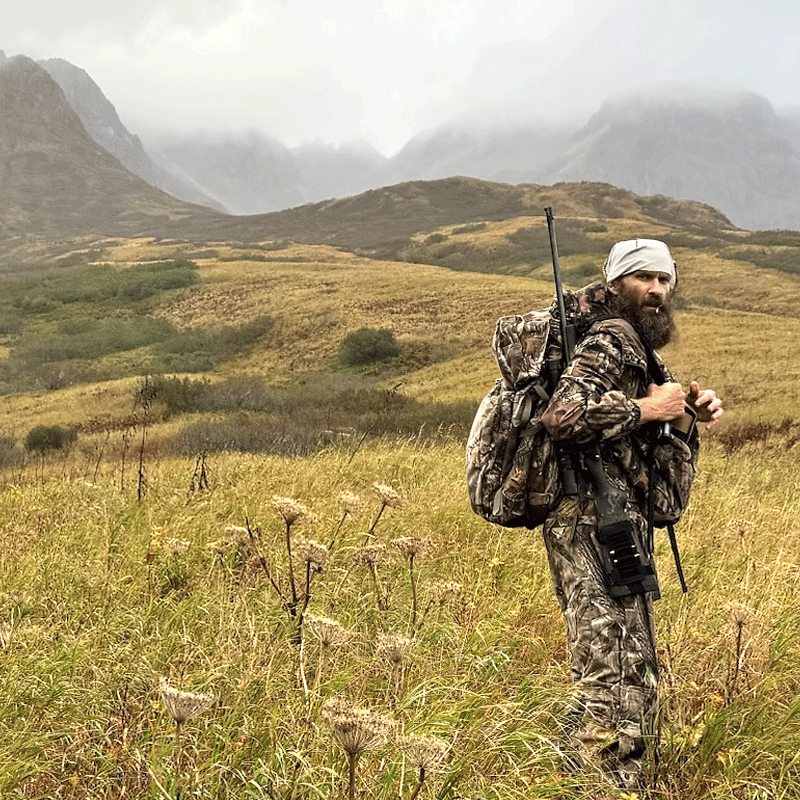
Still, there was magic in those moments—the kind of magic you only find when the world strips everything else away. The silence between gusts of wind. The crunch of moss underfoot. The sudden rush of a deer breaking from cover.
By dusk, we’d be exhausted, our packs heavy and our legs burning, but when that little skiff appeared through the fog to pick us up, it felt like a victory every time. Back aboard the Misty Fjord, the transformation was instant: warm showers, hot meals, laughter echoing through the galley. We’d sit around the big table, watch a football game over Starlink, and trade stories until our eyes grew heavy. Then we’d sleep, sound and content, ready to do it all again the next day.
THE HUNTS
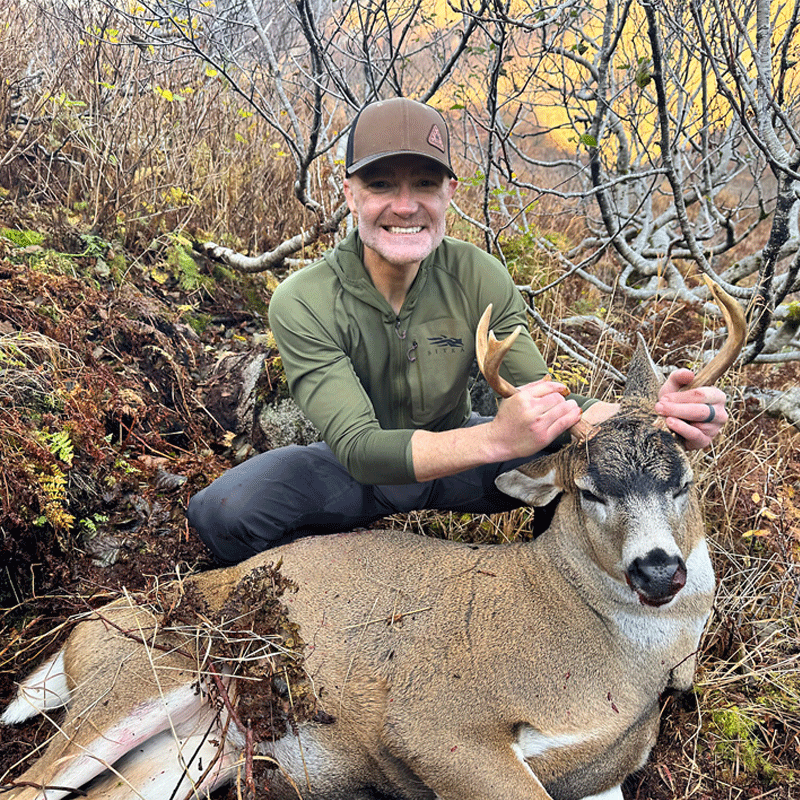
A few of us tried our bows at first, hoping for that extra challenge, but Kodiak’s steep terrain and dense brush demanded pragmatism. In the end, every one of us filled our tags with a rifle between days two and six. Each deer was hard-won, carried out over steep hillsides and tangled ridges with the help of friends who knew the meaning of teamwork.
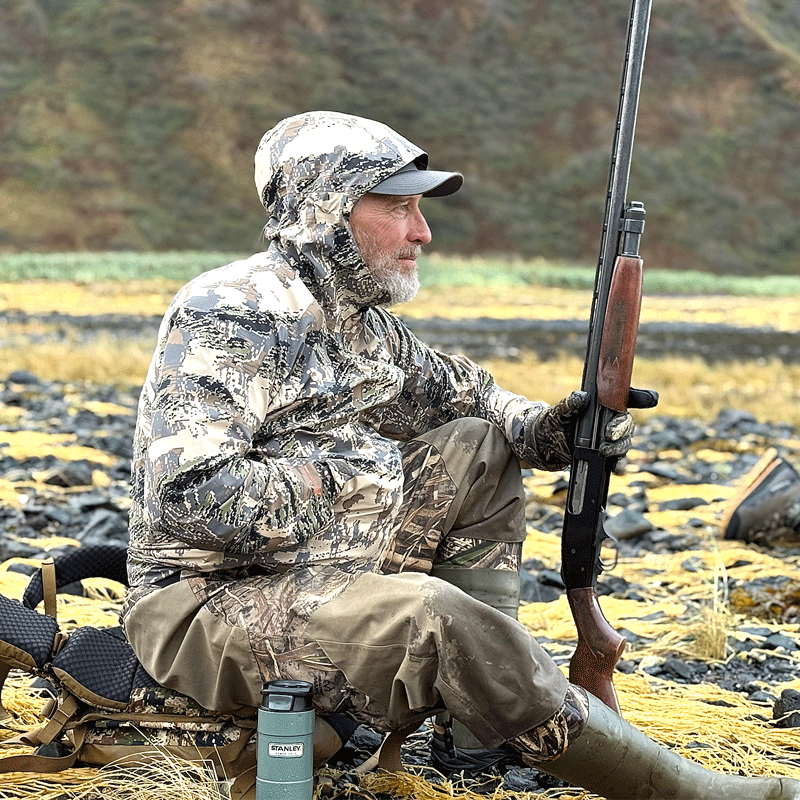
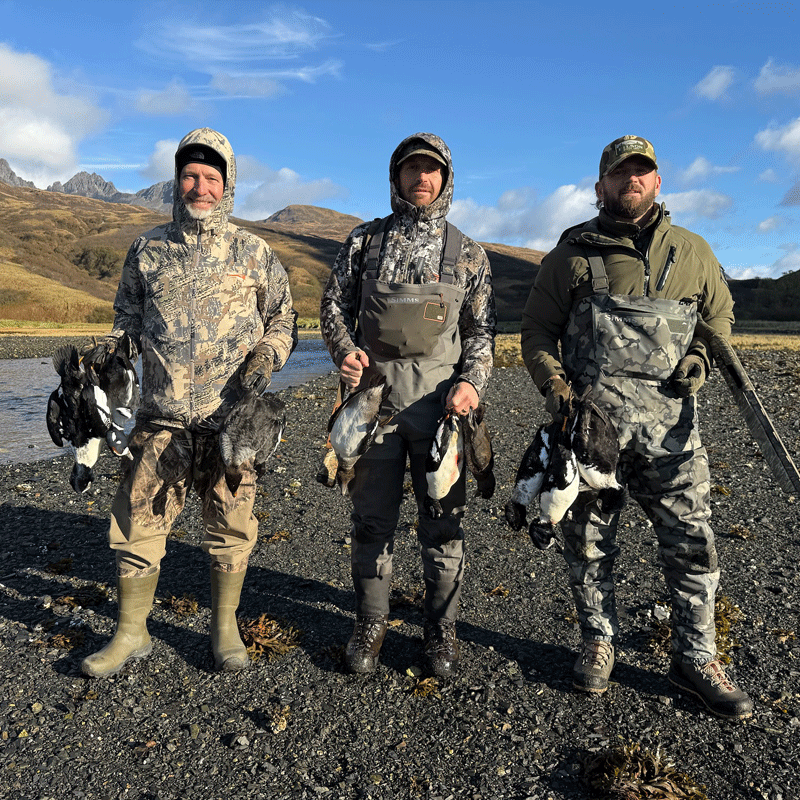
The duck hunting was something entirely new. Garrett’s philosophy was simple: “We ain’t hunting deer—we’re hunting ducks.” Which meant no blinds, no fancy setups—just crouch on the rocky shore near the decoys and get ready. It worked. We took Harlequins and Barrow’s Goldeneyes, beautiful birds that seemed to glow against the gray Alaskan sky.
And when the rifles and shotguns were put away, there was fishing. On our last day, we had three hours and a handful of “hot spots.” In that short window, we caught around 300 pounds of halibut, lingcod, and rockfish. It was fast, furious, and unforgettable.
THE CREW AND THE SPIRIT OF THE TRIP
The Misty Fjord crew went above and beyond. Breakfasts were homemade, lunches were packed and ready, and dinners—moose, deer, halibut, rockfish, crab, lingcod, caribou—were the kind of meals you don’t forget. The cabins were spotless, the boat steady and comfortable, and there was even space set aside to store our meat.
More than that, though, it was the spirit they created—a sense of family, of shared adventure. Each evening, as the wind whistled across the deck and the water lapped against the hull, we felt connected not just to the hunt but to something bigger.
THE END OF THE JOURNEY
Our eight-day adventure was cut short by weather, as often happens in Alaska. We flew out a day early to beat an incoming storm, knowing that if we waited, we might not fly out at all. But none of us felt cheated. We had seen and done more than we ever imagined.
In all our time there, we never saw another hunter. Just one distant fishing boat. The island felt like it belonged to us alone—wild, vast, and sacred.
As we flew away, looking down on the same mountains that had challenged and humbled us, I realized something simple but powerful: this wasn’t just a hunt. It was a gift.
Kodiak didn’t just test us. It changed us.
It reminded us that we’re small in a great, wild world—and that’s exactly where we belong.
Thanks goes out to Outfit Alaska for the “touch of hospitality”, and praises go out to God for the beautiful but “brutal” landscape He created on Kodiak island.