September 2026
Mission Planning for Remote Hunts: Lessons from the Coast Guard
Story by: Ross Ellis
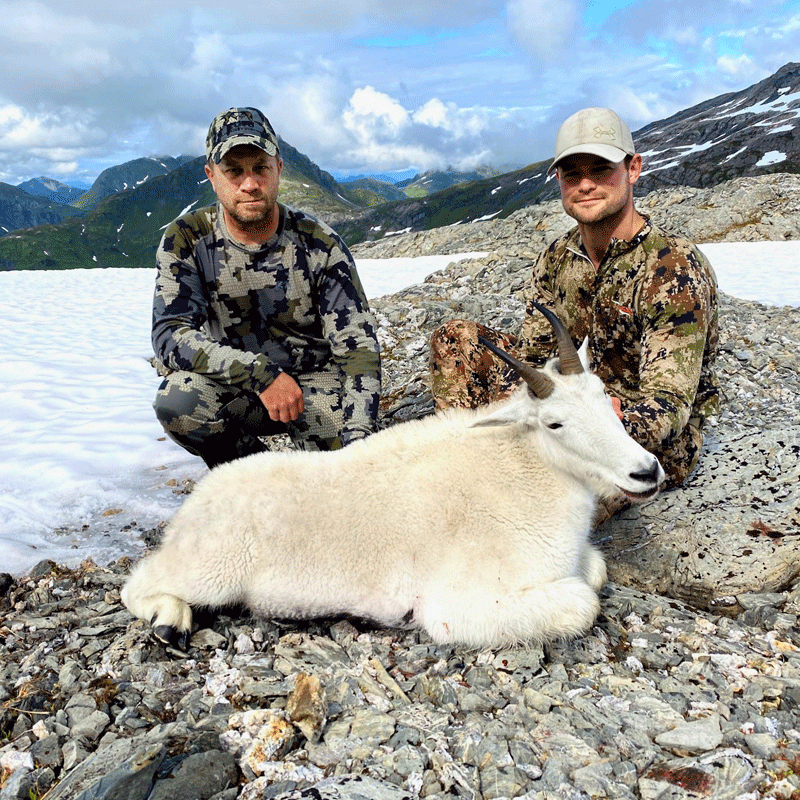
Hunters: Joe Gauvain and Ryan Wolfe
Species: Mountain Goat and Sitka Blacktail Deer
Location: Alaska
There’s a moment at the trailhead when a hunt stops feeling like recreation and starts feeling heavier. Your pack digs into your shoulders, the miles ahead are unknown, and the country you’re about to enter doesn’t care if you succeed or fail.
I know that feeling well. Growing up hunting taught me patience and respect for the land. Later, in the Coast Guard, I learned the same lessons at higher stakes: no mission should launch without a plan. Remote hunts deserve the same discipline.
Define the Mission
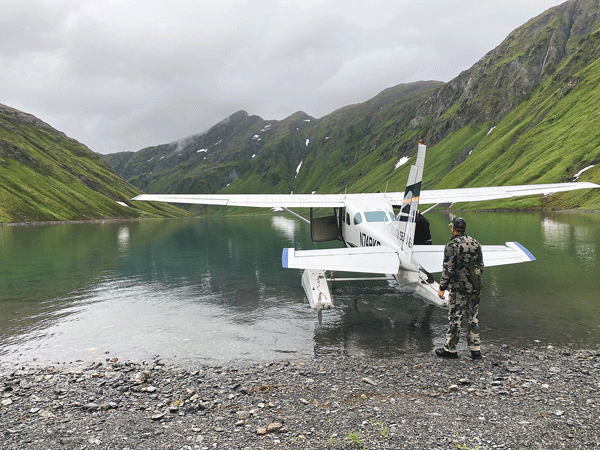
Every mission in the Coast Guard started with a clear objective, and hunting should be no different. Are you chasing meat, a trophy, or just the challenge of the backcountry? Your goal guides gear selection, effort, and how you handle setbacks. Clarity at the outset prevents wasted energy in the field.
Know Your Assets
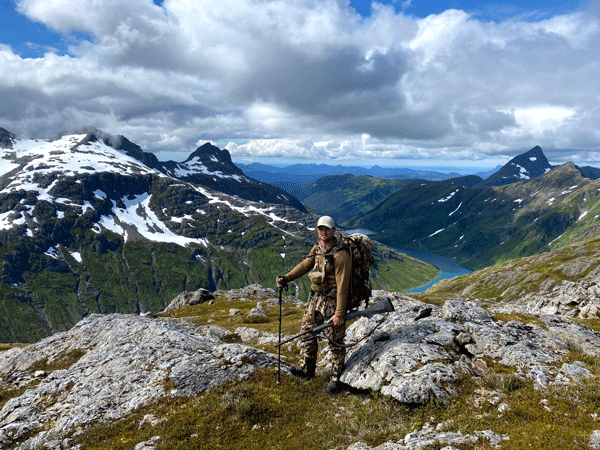
Inventory your strengths, limitations, and tools. Assets aren’t just rifles and optics—they’re technology, your conditioning, partners, and available time. A two-person team moves differently than a solo hunter.
Equally important: know how to use your gear. A top-shelf GPS or premium rifle is useless if you can’t operate it under stress, cold, or darkness. Backcountry hunts will expose weaknesses—be honest about and competent with your assets. That competence makes the hunt safer and more rewarding.
Plan for the Unexpected
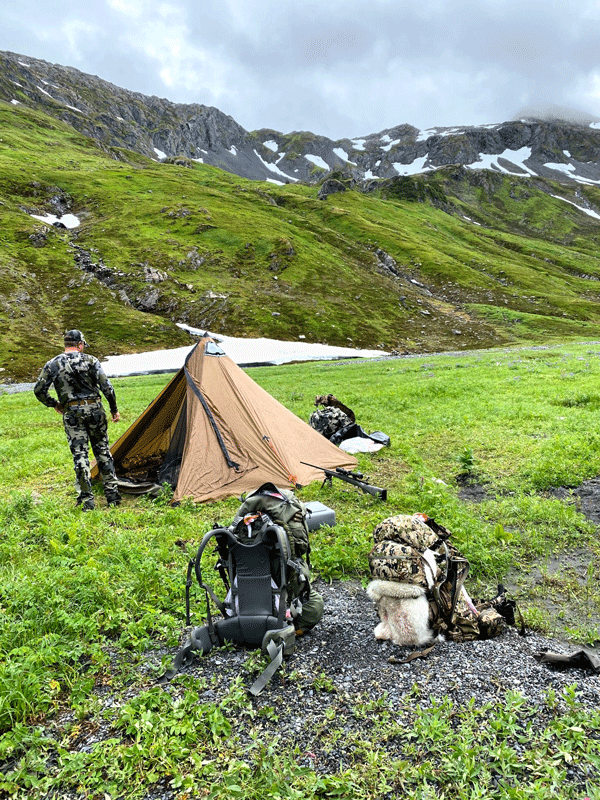
In the Coast Guard, we always accounted for what the environment could throw at us. Storms, rivers, and rough terrain can derail a hunt just as quickly. Always pack extra food, water, and shelter, plan for extra time, and identify alternate routes. Adaptability is the difference between a story you tell for years and one you regret.
Control what you can—gear, training, strategy—and respect what you can’t: weather, terrain, and wildlife. Pushing in unsafe conditions isn’t toughness; it’s risk. Sometimes the smartest move is to pause, reassess, and move forward methodically.
Debrief Every Hunt
Every mission ended with a debrief, and your hunts should too. After each trip, jot notes: gear that worked, boots that failed, strategies that succeeded. These lessons compound over time, making each hunt safer, smoother, and more efficient.
Final Thoughts
Remote hunts are more than a simple chase—they’re expeditions that demand respect, preparation, and discipline. Treat them like missions: define objectives, know your assets, plan contingencies, and learn from every trip. The payoff isn’t just meat—it’s the knowledge, skill, and confidence that keep you coming back to the mountains safely and successfully.
Additional Resources