January 2026
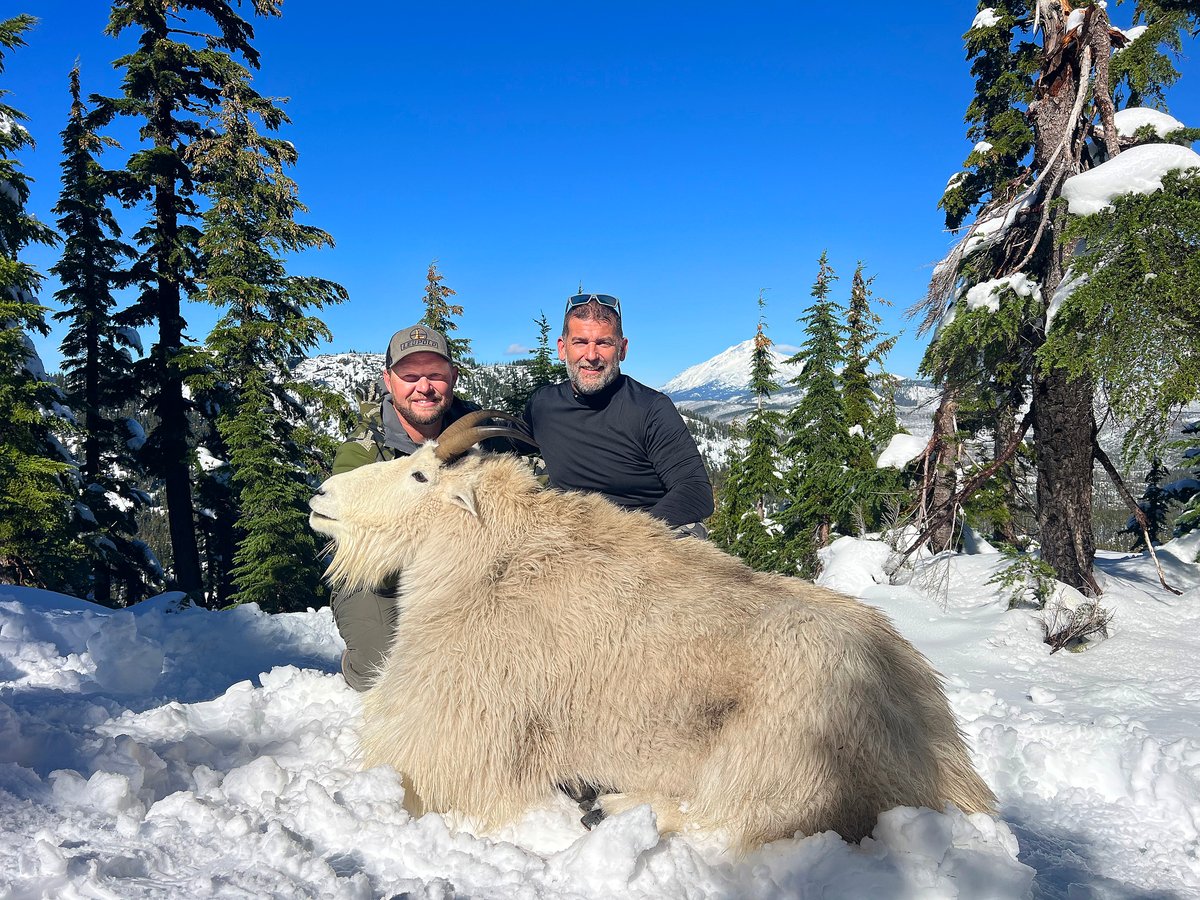
Mountain Goat Hunting | Oregon
Story By: Samual Sady
Every hunter knows there are myriad reasons why things can go wrong while hunting, but, every once in a while, they go right. Each year, when the Oregon controlled hunt applications came out, I found myself applying for those rare, once-in-a-lifetime hunts for mountain goats and bighorn sheep. Many years came and went with no success, and I often questioned why I kept applying for these rare tags. But you can’t draw them if you never apply, so I kept at it.
When the 2025 controlled hunt results came out, I had to rub my eyes in disbelief when I saw the draw results for Rocky Mountain goat said “selected”! I never really expected to ever draw a goat tag, and this tag was a very special one.
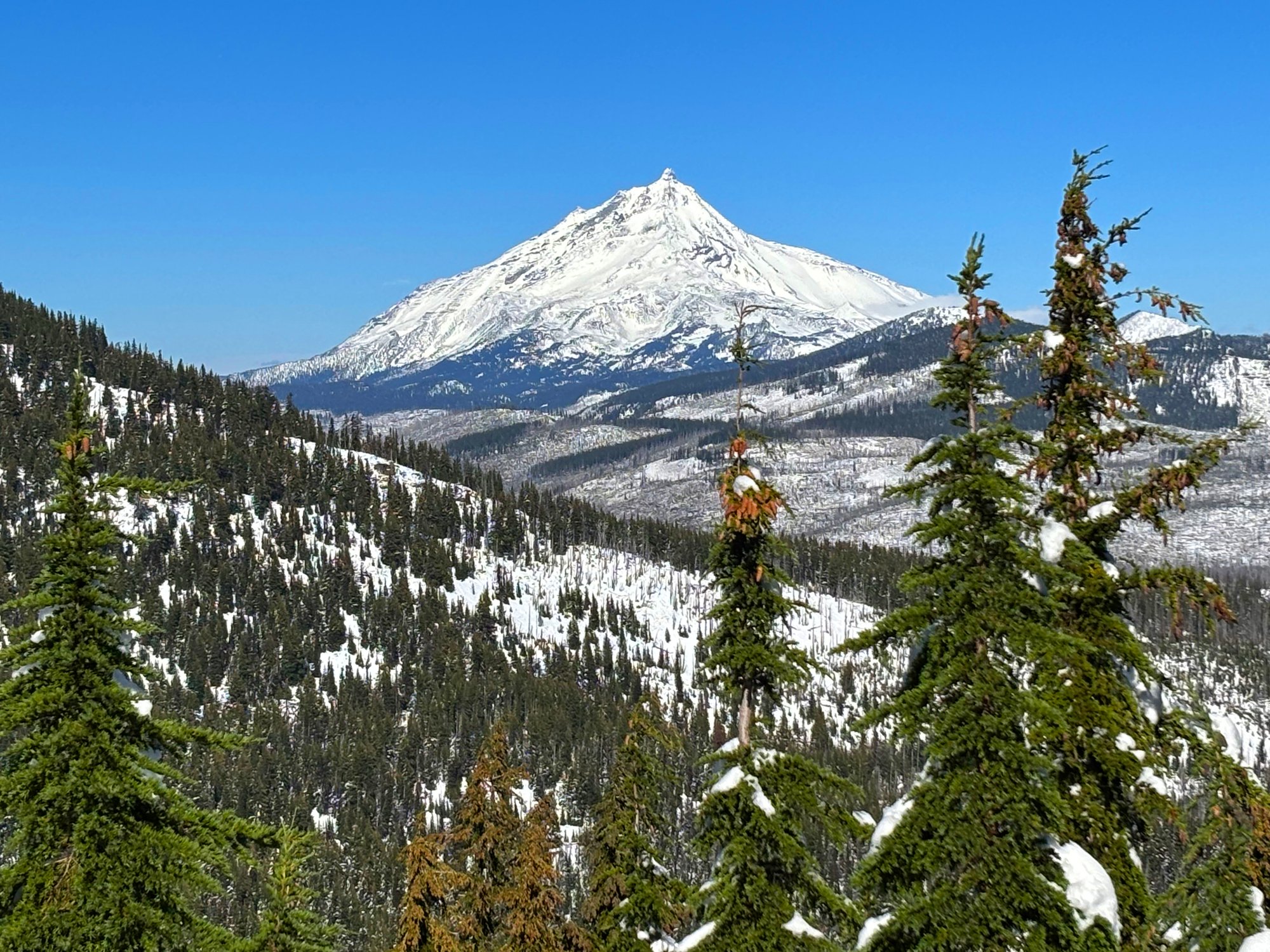
For the first time, Oregon had opened up a goat tag in the Central Oregon Cascade Mountains. These goats were reintroduced into the Cascades in 2010 by the ODFW in a partnership with the Confederated Tribes of Warm Springs. Mountain goats had disappeared from the Oregon Cascade Mountains in the nineteenth century, and the reintroduction of goats in the Mount Jefferson Wilderness using relocated goats from the Elkhorn Mountains in Eastern Oregon was a success story that allowed for this hunt to take place for the first time. One thousand and seven hundred first choice applicants for a single tag, and I drew it!
Mountain goat hunts are once-in-a-lifetime in Oregon, so I had no experience with goats. Zach Kendall, one of the ODFW biologists in Bend, OR, was a great resource for learning about goat hunting; he covered everything from distinguishing the sex of a goat (they are notoriously difficult to tell apart, and hunters often mistakenly harvest nannies thinking they are a billy) to behavior and preferred habitat.
Some of these goats were in places that weren’t exceedingly difficult to get to, but they were not the trophy class of billy I was looking for. Field judging a billly is also very challenging, and it takes an experienced eye to discern a trophy class animal from an average one. I’ve been a public land DIY hunter my whole life, but I knew this was too good an opportunity to leave to chance.
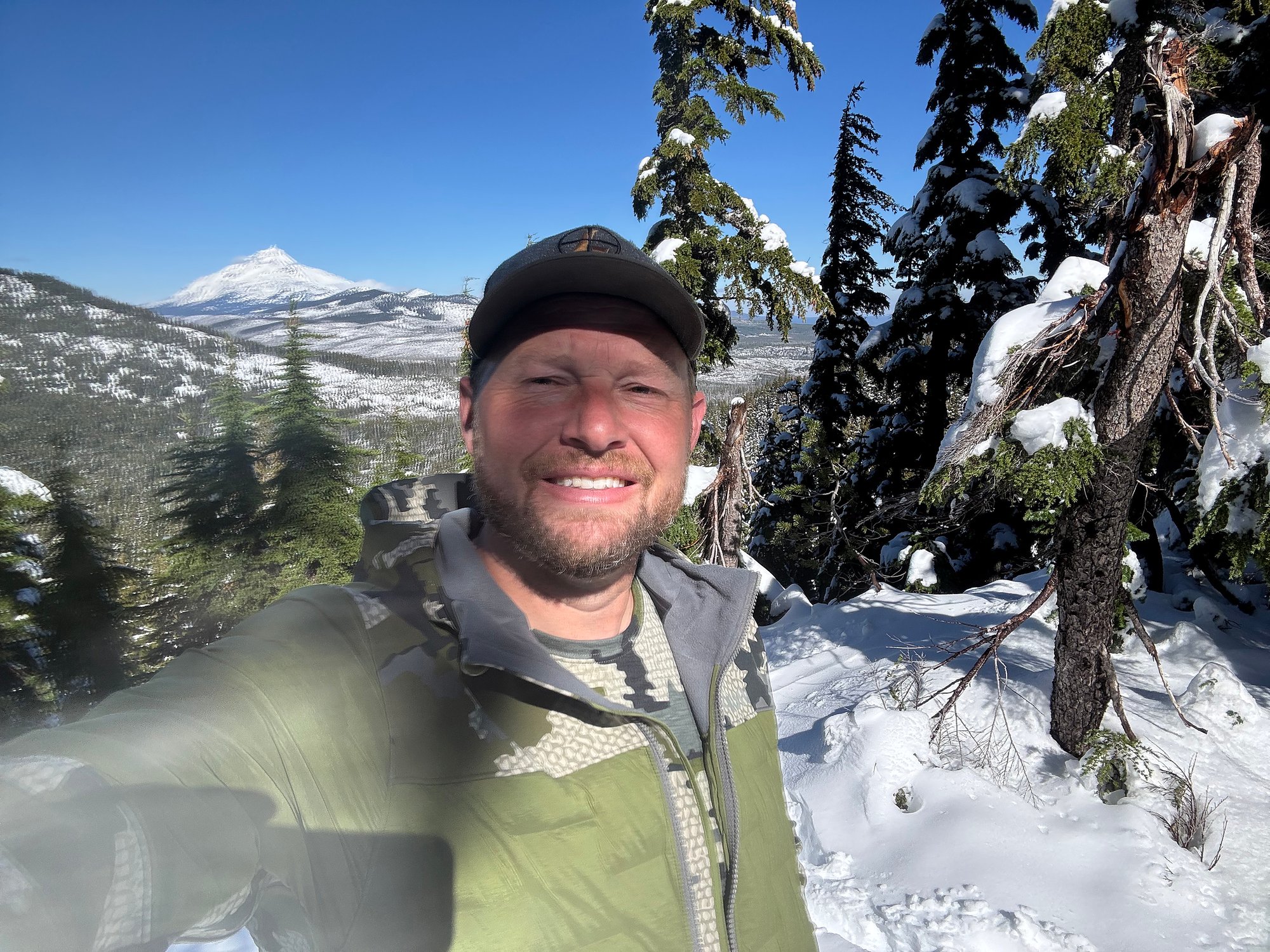
I quickly found out that one of the best sheep and goat outfitters in the whole country was based in Oregon but guided hunts in multiple states. That’s how I ended up connecting with Sheep Mountain Outfitters. Dan, Jamison, and Bob were great to work with from the very beginning. We picked a target hunt date in early October, when the animals would have their beautiful winter coats. As the date closed in, an early season storm came in and dropped two or three feet of snow in the target hunt area, which was between 5,000- and 8,000-feet in elevation.
I was more than a little stressed. The season was over at the end of October, and at that elevation, winter can come early and never leave; the hunt could get snowed out. After lots of prayers and waiting, a brief break in the weather opened up and we decided to go for it. Two of my good buddies, Bill Winchester and Greg Botts, joined me on the trip, and we met Jamison and Bob from Sheep Mountain Outfitters in the small town of Sisters, OR before driving to the camp location on the east side of the Mount Jefferson Wilderness.
The guys from Sheep Mountain had told me I could use my own rifle or one of theirs. I had taken an elk with my own rifle at 600 yards before, but I knew Sheep Mountain Outfitters had their own exclusive edition of rifles through MOA and had harvested several bighorns with that rifle in the weeks leading up to my hunt. I decided to use their rifle. I made the right decision.
We went out to shoot their rifle the day before the hunt. I lay prone on a dirt road, shooting across a canyon. The first two shots at 250 yards were spot on, as was the next shot at 550 yards. We decided to go big and picked the next target at 1100 yards, almost double the furthest distance I had ever shot, and the shot was spot on; we were feeling confident heading into the hunt the next day.
The day before I arrived, some of the Sheep Mountain guys had trekked into the edge of the target hunt area in the morning to scout again. The clouds were thick; they couldn’t see much for most of the day, but a brief break in the fog opened up, and they saw a lone billy in the mouth of a cave and were able to get some pictures of him. They shared the pictures with the rest of the team, and all agreed that he looked like an unusually good goat. We would go after him in the morning.
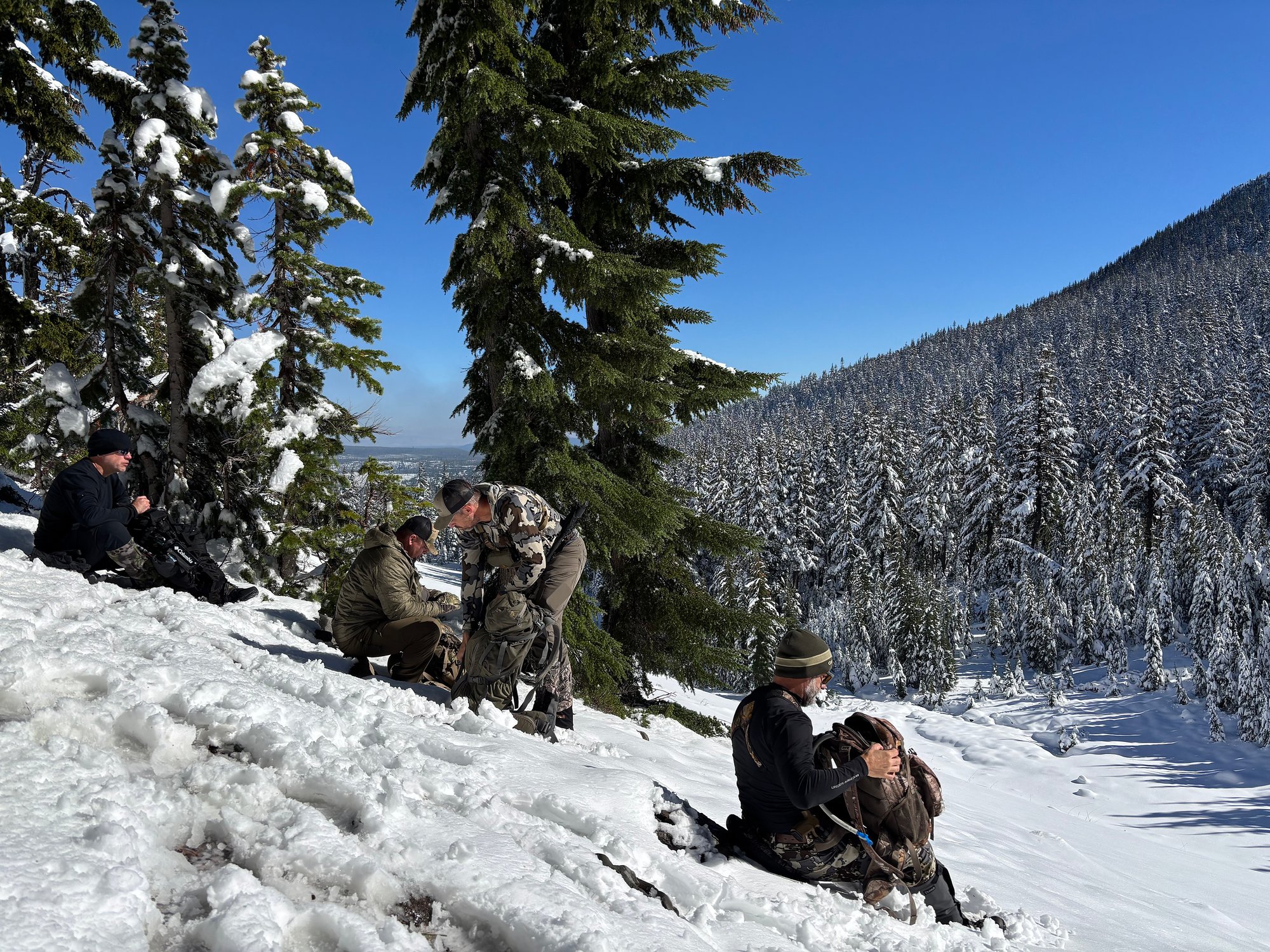
The day of the hunt, the clouds hung low again as we hiked in. Visibility was poor, but as we gained elevation, the clouds began to thin and finally open up to a beautiful, sunny, blue-skied day. A few miles in, we were trekking through two feet of snow with drifts over three feet in places. Trying to find a white goat in a white landscape is a challenging task. On the way to the cave where the billy was the day before, we cut across a set of big tracks, but they came from a different direction, so we kept going.
Upon arriving at the cave and not finding the billy, we split up. Bob went up one side of the basin with a spotting scope, and Jamison’s brother, Jake, went back and followed the tracks uphill while the rest of us glassed. Bob spotted the billy from his vantage point just as Jake followed the tracks to where he had bedded down. We knew this was the same goat we were looking for: a big, solitary goat.
We hiked up the steep, snow-covered hillside and eventually came to the spot where the billy had bedded down. He was about thirty yards away from a slope which turned into cliff face, and we didn’t want him to get anywhere near it. I had visualized the shot in my mind a hundred times leading up to this hunt so that I would be completely calm when the moment came. All that practicing and long-distance shooting in preparation, and we came around the hillside to find the goat bedded at 50 yards!
Jamison stuck the tripod in the snow. I could only see the billy’s upper shoulder, and I hit him with a mid/high shoulder shot. He got up, turned around to start heading to the cliff, and presented a perfect broadside profile; the next shot dropped him in his tracks. It was one of those surreal moments every hunter knows but is hard to describe: a mixture of excitement, awe, and gratitude.
We all knew he was an exceptional goat. We guessed he must weigh close to 350 lbs based on how many of us it took to move him to a spot where we could get pictures and process the meat and hide. When we got back into camp, Bob Green scored him at 54”. The next day, I checked in the billy with the ODFW so they could inspect him and brand the horns to make him legal to keep. The biologists, Zack and Andrew, said, “This is the kind of billy we knew was up there. Everyone in this office applied for that tag!”
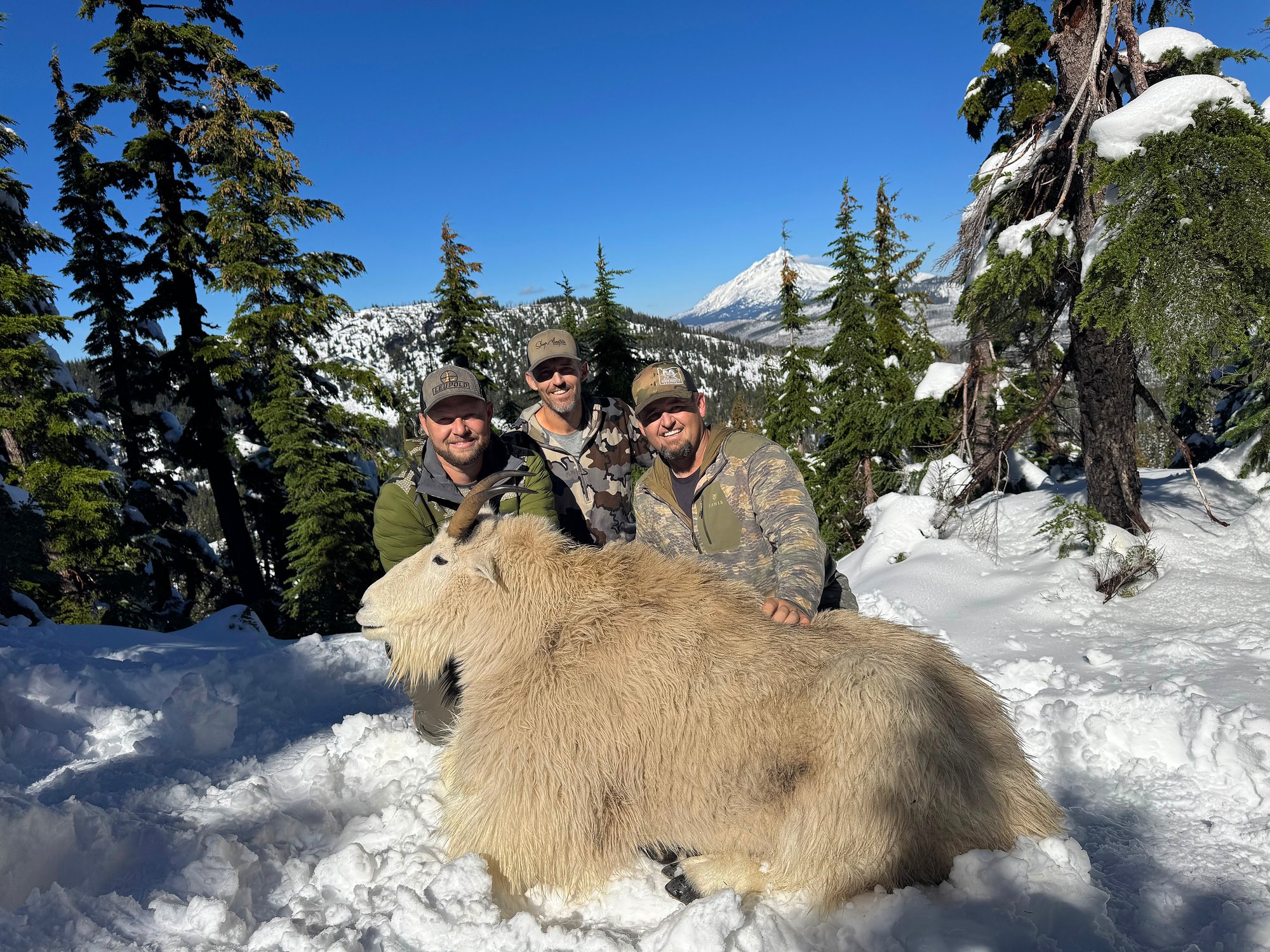
After the mandatory sixty-day drying time was over, I took the horns to Tim Rozewski, a Boone and Crocket official in Bend, and he confirmed the score at 54”—tying for the second biggest mountain goat ever taken in Oregon. I’ve been on some challenging hunts, including an elk hunt where I hiked 19 miles in one day to get a big bull in a canyon in the Wenaha–Tucannon Wilderness. This was a hunt where it felt like everything came into place at the right time.
I believe this whole experience was a gift from God; drawing the tag, harvesting that goat, and living those experiences with that exceptional group of men are memories I will forever be grateful for. Most of all, I am grateful to Jenna, my wonderful wife of twenty-four years, who never hesitated for one second when I drew that tag and contacted the outfitters, encouraging me all along the way to “Go have an adventure and make memories.”
If you’re that hunter who has been chasing that rare tag for years on end, keep chasing it!