July 2026
Is He A Forkie | Arizona Coues Deer Hunt
Story By: Eric Major
Planning an Arizona Coues Deer Hunt with onX
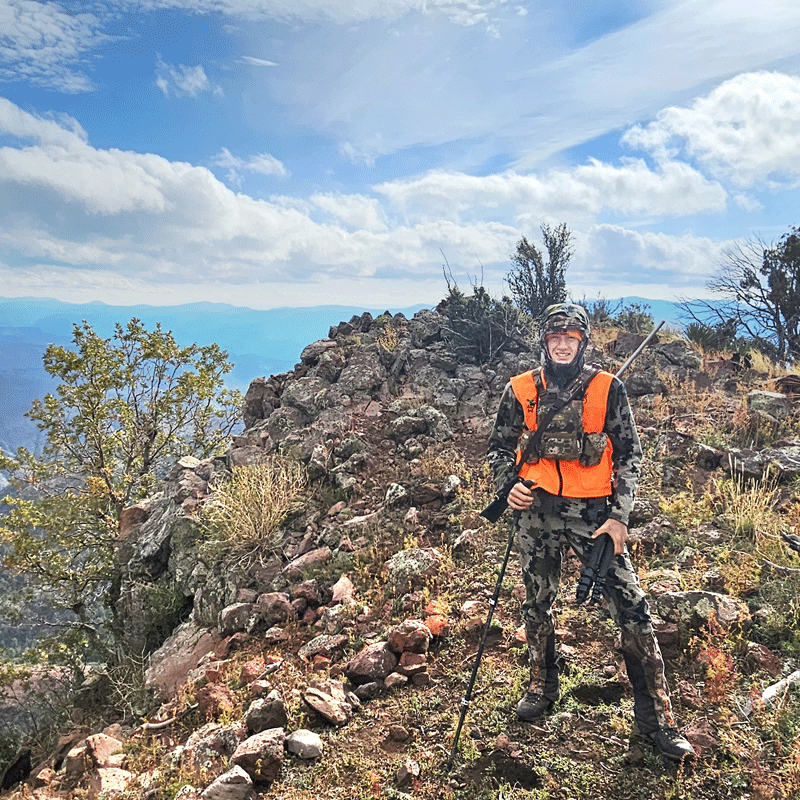
We went to bed that night on a high knife ridge, still not certain what to do. The day hadn’t gone as planned, and the deer hadn’t shown up where we’d thought they would. The normal excitement for opening day was marred with feelings of uncertainty and the realization that this hunt might be much harder than we’d thought it would be. I sat under our Peak shelter looking up at the Arizona night sky, wondering how tomorrow was going to go and what plan B, C, D, or E might bring if we didn’t see the Coues bucks that we knew should be here. I went back to onX and continued to put the puzzle pieces together from the knowledge we’d gleaned that day.
It was early October on a Thursday night, and my son Wyatt and I had not seen a single buck from our seemingly perfect glassing point that evening. We were tired, having taken turns driving the twelve hours down after work and youth activities the night before so we could be hiking by daylight. It was now the night before the opener of his youth rifle buck deer tag in the mountains of central Arizona.
Why Coues Whitetails Are Called the Gray Ghost
Ever since reading the magazine and listening to podcasts on the subject, we had committed to harvesting a mature Coues whitetail buck. Being from Northeastern Utah, these gray ghosts were an exciting new challenge for my boys. This particular Coues hunt had been planned for a while now, with Wyatt’s younger brother Bodee having had his chance a few years previously. Bodee had been unsuccessful on the little whitetails, though he had harvested a forkie mule deer the last night we could hunt.
That first attempt reinforced the rule of thumb to avoid getting within 300 yards of these smart bucks. So, while planning Wyatt’s hunt, we utilized onX to plot several routes and glassing locations that would allow us to see into more likely habitat while keeping our presence less noticeable. Our “Plan A” spot seemed like a great location on the computer, but after scraping through cat’s claw and taking much longer to get there than we’d planned, the evening deer movement had been almost non-existent. I was worried we had hiked a long way off trail for nothing. But I had hope that things could turn around in the blink of an eye, as hunts have a tendency to do, and told Wyatt as much. We both were worried, though, and fell asleep apprehensive about the next day’s prospects.
Glassing Strategies for Coues Deer Hunting
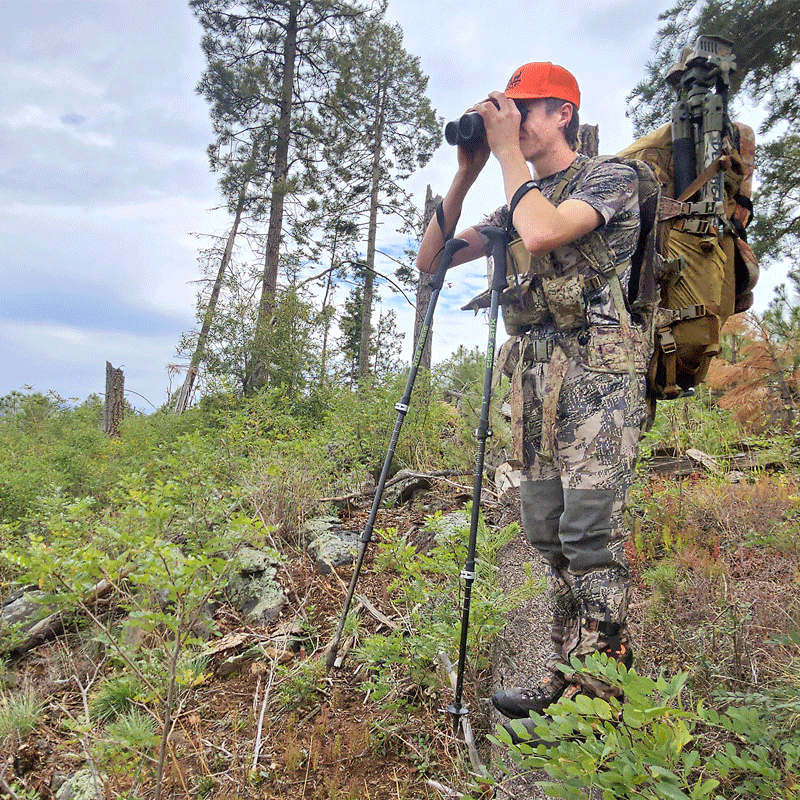
The morning glassing session started slow, and it was humbling to realize how hard it was to spot these little deer. As the sun started to hit the hillsides, things started to come alive, and we began to find more does across the draw from our lookout. All at once, I spotted a buck a mile out in some grassy lower country. The relief felt as good as the warm sun as we watched two other bucks following the first one, working towards their beds. They seemed like decent-sized deer and worthy of a closer look if we could feel comfortable about where they bedded. We continued seeing deer, including a smaller forkie closer to our location. Wyatt had tagged several two-point mule deer over the years and, without any pressure from me, had decided he didn’t want to take younger bucks anymore. I jokingly asked if he wanted to go get that forkie, and he admitted he may have considered it after last night, but seeing those mature bucks had him back on the “no forkie” bandwagon.
Hunting Mature Coues Bucks in Arizona
We sat there a while longer, waiting for everything to get settled in, and noticed a sound that we had heard the day before. It sounded like a buck grunting—a low sound that repeated itself a few times. The evening before, we had heard it after a whitetail doe had started blowing, and we’d wondered if it was a buck. I knew they were vocal little deer but thought it strange that they would grunt like that so much outside of the rut. We speculated as to where it was coming from now but never did see anything below us. After packing up our light camp and throwing on the packs, we got the poles out and started lowering ourselves down the steep hillside.
There was a decent amount of deer sign all over this steep, brushy country, and I was still surprised that we hadn’t seen more deer. After getting down to the bottom and finding an old trail, we dropped our packs and took a quick break, checking our progress and noting the wind direction. All of a sudden, we started hearing that grunting sound again, coming up the draw from where we had stopped.
Harvesting a Unique Arizona Coues Buck
Leaving our packs, Wyatt took the 6.5 Creedmoor out of the scabbard, and we walked quietly up the trail, hoping to figure out what in the world that sound was. As we made it farther into the ponderosa-filled draw, we saw a flash of white and heard deer spooking ahead of us. A doe was running to our left, and then a buck took off, heading across the draw and starting up the hillside. From behind, it looked like it had a nice basket rack, and I could tell it was a mature buck.
I threw my sissy sticks together and motioned Wyatt to come to me and get a rest. He is the son who gets on target the fastest, and it served him well this time. As the buck worked his way up through oak brush and pine, we caught glimpses of him and could tell he might stop. Sure enough, he stopped broadside behind a small oak tree.
Wyatt had harvested enough animals that I didn’t have to coach or call the shot. He drilled him right through the leaves, and the buck disappeared. Keeping my binos locked on that spot, I thought I saw a little movement on the ground, but there was no retreating buck or white flashing tail.
“I think you dropped him, Wyatt!” I exclaimed. Wyatt and I both started laughing at how crazy that was; here we were not knowing how the day would go or how long we would need to wait those bucks out, and we’d just jumped one and shot it right by the trail! We pulled ourselves together, and I stayed in place, watching the spot and guiding Wyatt into the location we thought the buck would be. Sure enough, as he got above the spot, he made it to within thirty yards and threw his arms up in victory.
“Good job, Wyatt!” I yelled up at him as he made his way over to the buck tucked in the oak brush. “Is he a forkie?” I questioned, giving him a hard time.
He hesitantly said, “Yeah, on one side, but the other side has six points!” I had to go see this deer!
I busted up the hill, laughing as I passed an old campfire ring and beautiful camping spot. This kid was lucky; on his last hunt, he’d dropped a cow bison right by an outfitter campsite, making it super convenient to camp and rest after celebrating a successful hunt.
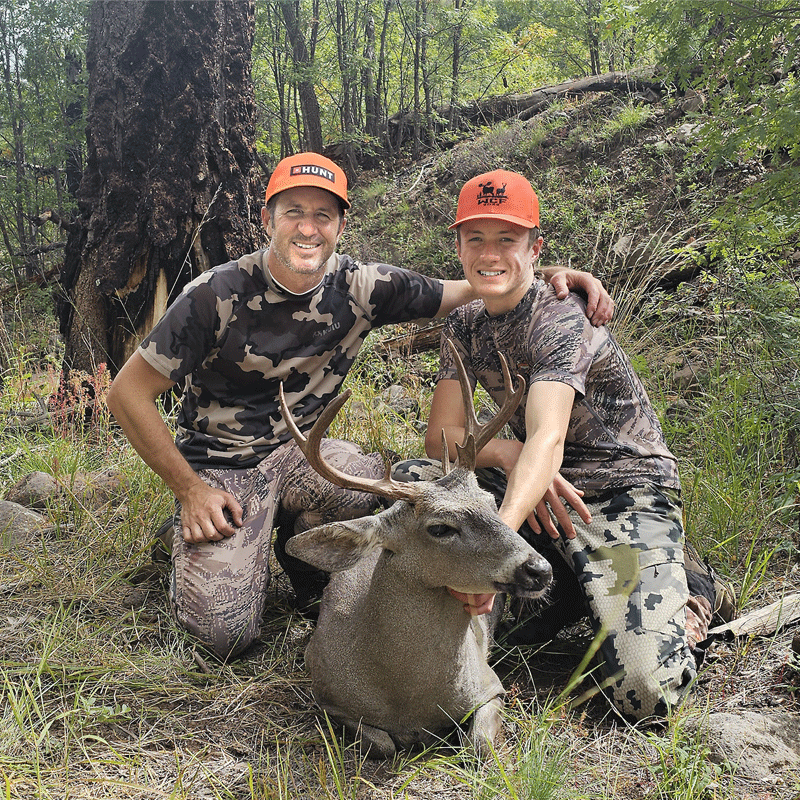
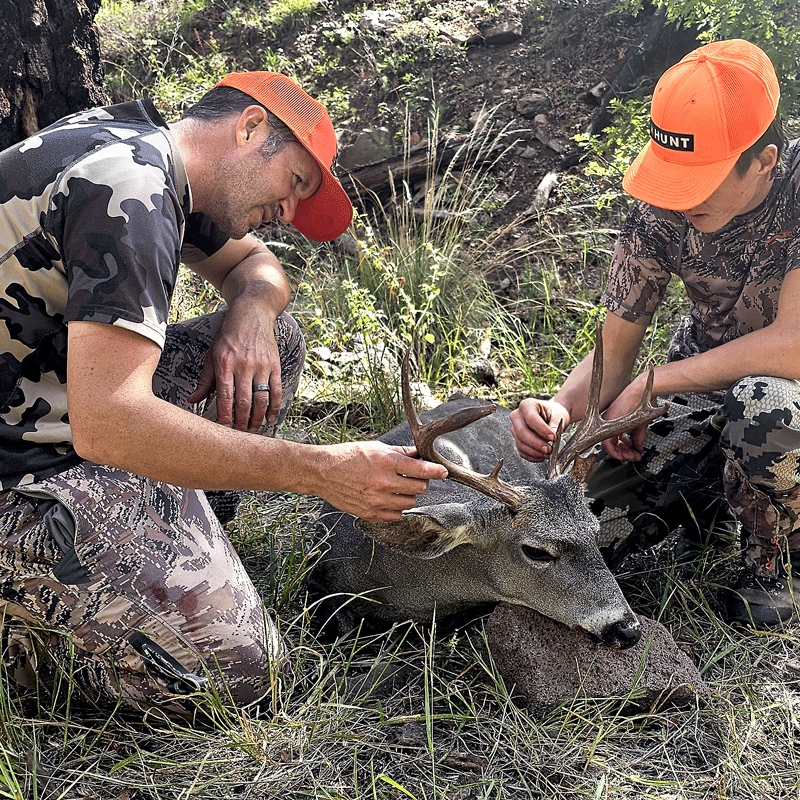
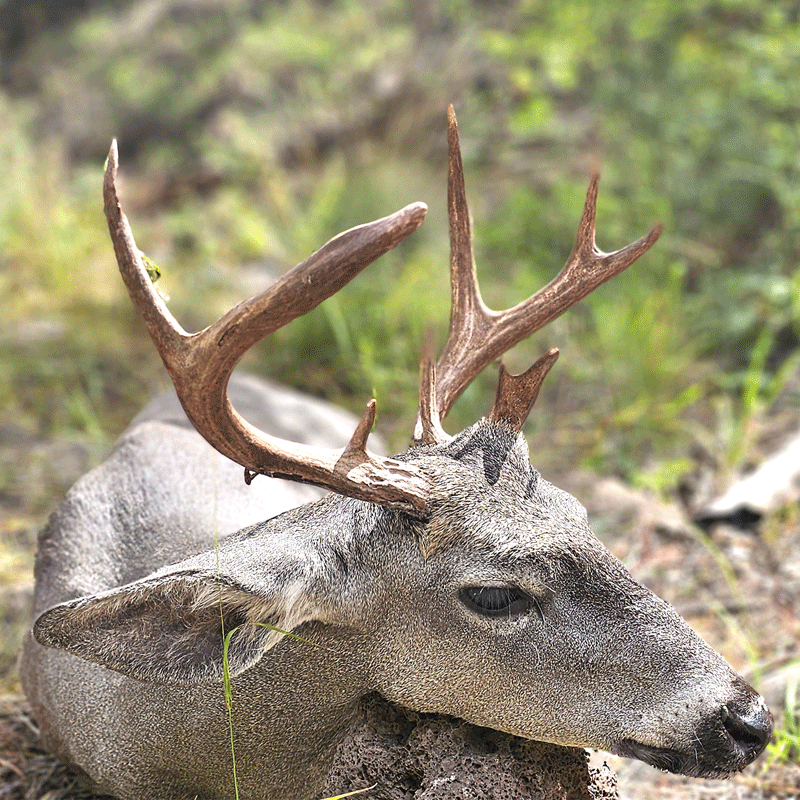
The buck was beautiful and unique. He still had some gray velvet on his antlers as well as some great character and a double eye guard. He had a big fork and decent eye guard on his weaker side, but it was indeed a forked antler. We were in awe at how cool this buck looked. Such a pretty animal. We took plenty of photos and then carefully dragged him down the hill to a nice shady spot in the bottom of the drainage.
Creating Lasting Memories in Arizona’s High Country
Just like that, we were walking back to our packs, laughing about how things can turn around in the blink of an eye. As we returned, we heard that same interesting sound again! Obviously, it wasn’t this buck, and finally, after looking through the trees and scratching our heads, we saw a woodpecker going to town on a dead tree, making what sounded like a grunt or drumming noise. It was a lucky omen, and we thanked Mr. Woodpecker for the curious sound that had brought us up the canyon.
I won’t mention too many more details for the rest of the story. I had a bear tag, and though we did see a bear that night, it ran away before I could get a shot. Wyatt eventually confessed that he wasn’t all that sorry that he had been holding the rifle and taking a photo of an interesting cactus when I got ahead of him and jumped the bruin… Without horses, the one-trip load with deer and gear was enough; adding a bear to the mix wasn’t our idea of fun. We ground out the other the next day, climbing around 2,000 feet over five miles in the rain while grinning about a great memory and our first Coues buck.
Additional Resources