Backpacking for Boot Camp #2
| UP-FRONT FEES | |
| Adult Hunting License | $225.46 |
| Junior Hunting License | $17.02 |
| Application Fee per Species (Sheep, Elk, and Antelope) | $8.38 |
| Deer Permit (90% Refundable if Unsuccessful) | $377.35 |
| POST DRAW FEES (IF SUCCESSFUL) | |
| Bighorn Sheep Permit | $2,202.00 |
| Elk Permit | $1,871.80 |
| Antelope Permit | $628.85 |
| Bear Permit (OTC) | $397.60 |
| Wild Pig Permit Validation | $101.26 |
| UP-FRONT FEES | |
| Adult Hunting License | $64.54 |
| Junior Hunting License | $17.02 |
| Application Fee per Species (Sheep, Elk, and Antelope) | $8.38 |
| Deer Permit (90% Refundable if Unsuccessful) | $42.38 |
| POST DRAW FEES (IF SUCCESSFUL) | |
| Bighorn Sheep Permit | $558.50 |
| Elk Permit | $610.20 |
| Antelope Permit | $205.77 |
| Bear Permit (OTC) | $62.90 |
| Wild Pig Permit Validation | $28.34 |
| CALIFORNIA DEER SEASON DATES | |
| Archery | Jul - Sep 2026 (varies by unit/zone) |
| Rifle | Aug – Nov, 2026 (varies by unit/zone) |
| CALIFORNIA ELK SEASON DATES | |
| Rifle (Tule Elk) | Aug - Jan, 2027 (varies by unit) |
| Archery (Tule Elk) | Aug - Oct, 2026 (varies by unit) |
| Any Weapon (Roosevelt) | Aug –Dec 2026 (varies by unit) |
| Any weapon (Rocky Mountain elk) | Sept – Nov 2026 (varies by unit) |
| CALIFORNIA PRONGHORN SEASON DATES | |
| Archery | Aug 8 – Aug 16, 2026 |
| Rifle | Aug – Sept 2026 (varies by unit) |
| Apprentice / Youth (Controlled) | Aug 22 – Aug 30, 2026 |
| CALIFORNIA BIGHORN SHEEP SEASON DATES | |
| Desert Bighorn (Any Weapon) | Aug 2026 - Feb 2027 (varies by hunt) |
| CALIFORNIA BEAR SEASON DATES | |
| Archery | Aug 15 - Sept 6, 2026 |
| General | Concurrent with deer seasons – Dec 27, 2026 |
Disclaimer: California big game season dates vary by species, unit, and hunt type. Emergency orders may change seasons. Always verify current regulations with CDFW.
| YEAR | RESULTS POSTED |
|---|---|
| 2026 | June 9 |
| 2025 | June 10 |
| 2024 | June 11 |
| 2023 | June 13 |
| 2022 | June 10 |
| 2021 | June 11 |
| 2020 | June 11 |
| 2019 | June 11 |
| 2018 | June 13 |
| 2017 | June 12 |
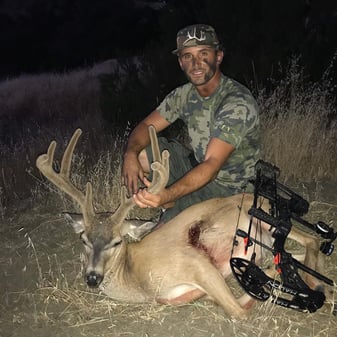
California does not make our list as a must-apply-for state for big bucks. With that being said, we do recommend that all residents who are already buying a license apply for deer in the Golden State. Every year, out of the thousands of deer permits issued, there are a handful of giant bucks that come out of the state. If you are looking for a solid buck, you should stick to our top hunt picks.
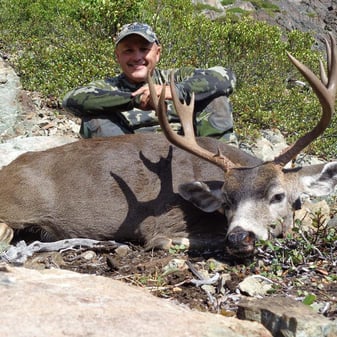
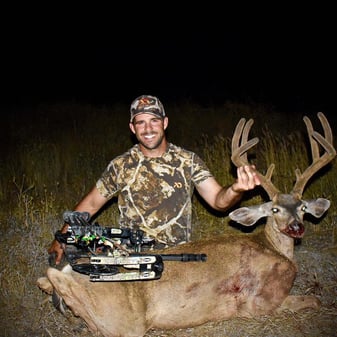
California is home to six different subspecies of mule deer. The Columbian blacktail deer is primarily found in Northern California along the Oregon border and the coast. The California mule deer, which is the second most prevalent species in the state and is typically smaller in size, inhabit the west side of the Sierra Nevada Mountain Range. Inyo mule deer are primarily found in Southern and Central California and are also typically smaller in size. Burro (or desert) mule deer are found along the Mexico and Arizona border and are second in size only to the Rocky Mountain mule deer found in California’s northeasternmost units. Unsurprisingly, the Rocky Mountain mule deer tend to be the highest scoring bucks among those harvested in California. The newest addition is the Baja blacktail, or Southern mule deer, which is primarily located in Southwest California and is typically smaller in size. We explain the different subspecies of mule deer in California so that, when hunters look at the typical size and score of above-average bucks harvested, they will understand why they are smaller than the mule deer scores coming out of most western states, which are primarily populated with Rocky Mountain mule deer, the biggest of all the mule deer subspecies.
The California Deer application deadline is June 2, 2026.
Our magazine, which is available in print and online, has everything in one location - application info, draw details and odds, fees, hunter requirements, point structure, age restrictions, youth information, weapon restrictions, other tag opportunites, hunt planning, and much more. If you would like access to all of our research, join today!
Take the stress out of application season and hunt with confidence.
Huntin’ Fool’s Application Service handles every detail for you—building the best strategy, maximizing your draw odds, and making sure you never miss a deadline.
We apply. You hunt.
Advisor Articles from Our Magazine on California Application and Hunting Strategy
If you have max points in California for mule deer and want the best chance at a trophy buck, you need to be looking at the Doyle, Anderson Flat, and Round Valley units. Weather is a huge factor in these units, especially in Anderson Flat. In the past, it has been warm and dry, and hunters have struggled, as it takes weather to push the deer into the traditional hunting areas. The Devil’s Garden hunts are still a good option, but whether it be due to drought or lack of animals, they have been struggling to produce big deer like those taken in years past. G3, the Goodale unit, has really been struggling to produce the big bucks it was known for in the past, although a few have been taken in recent years. If you are willing to pick up a smoke pole and are a fan of putting your glass to work, it is hard to look past M3 (Doyle). Without weather, this is still a good hunt, but if it gets some weather, there will be some big deer hitting the dirt.
California offers youth hunters a reduced-price license and has a few awesome deer hunts set aside. The two better youth hunts available are units J12 (Round Valley) and J15 (Anderson Flat). For unit J12, the youth dates are the best season dates on this unit. With season dates running from December 5 through 20, this can be a great hunt. Unit J15 is a good hunt with late season dates running from November 28 through December 6. Though this takes place during the same time as the G37 hunt, it is a good hunt for a mature buck. Units J12 and J15 are going to be fairly weather dependent.
We added a table called “Other Good Deer Hunts” to this deer section in our May 2026 issue. This list of units is to give applicants below the max point pool an idea of what units are available to them and what kind of harvest success rates they offer. Most of these hunts are conducted in the X zones and are either archery or rifle. These X zone units are very similar in trophy quality and, with a number of permits for both archery and rifle seasons, are comparable to other states’ general mule deer hunts. That said, the X zones are primarily along the Nevada border, so there are always a handful of big bucks that come out of these units.
Harvest success on some of these hunts can be misleading when you see 50 to 60% harvest out of certain units, as most of the bucks harvested are two- or three-point bucks. Typically, the areas that have high harvest success coupled with a good percentage of four-point bucks take 4 to 5 points or more to draw.
Zones in California offering good opportunity with over-the-counter tags include AO, A, B, and most D zones. Be sure to check the quota fill dates for each zone, as most of them have been getting earlier and earlier each year. California has three different classifications of hunt based on the amount of time it takes to fill the quota. Premium deer hunts are any hunts that are filled on or before the first business day following July 1. Basically, any residents that are filled in the draw, restricted deer hunts are hunts that are filled on or before the first business day following August 1. Unrestricted deer permits are what is left after the first business day following August 1. As you can see in the table, some of these hunts never fill their quota for the year. A second deer tag may be obtained by purchasing an unrestricted tag, a restricted tag, or a leftover premium deer tag.
More important than the deer permit classification is the fill date. There are some hunts, such as D6, that continually go back and forth between the three deer classifications. Continuing to occur, D6 is an “unrestricted” permit for 2026. Hunts like D14, which is now a premium hunt, have been progressively selling out sooner and sooner each year. Second deer tag applicants may obtain a restricted deer tag at any time if they do not have a pending first deer tag drawing application or have not been issued a premium or restricted deer tag as a first deer tag.

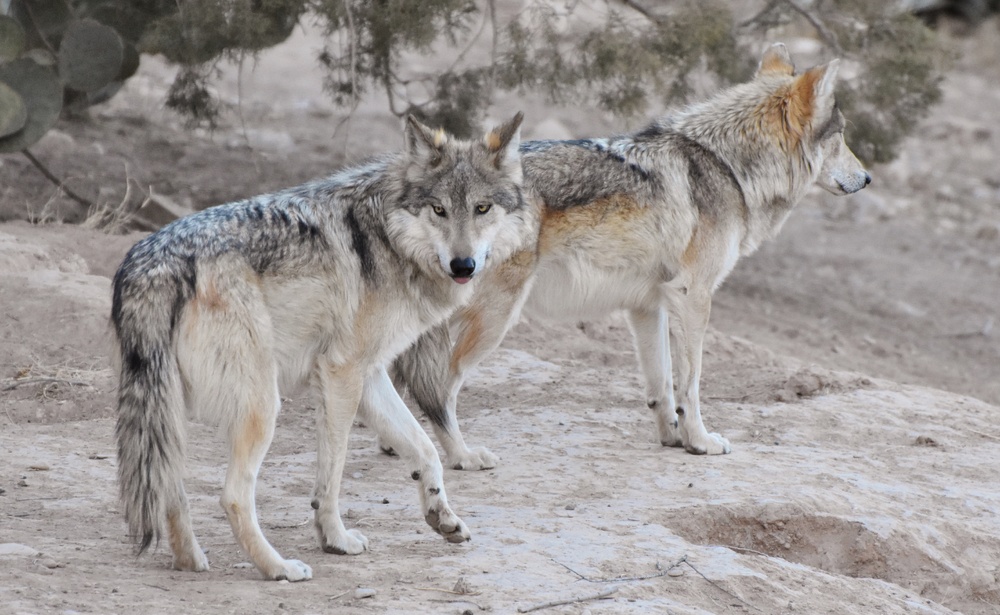
The CDFW closely monitors known resident wolves to conserve and manage California’s wolf population. Since Oregon wolf OR-7 entered California in late 2011, several radio collared wolves have dispersed into the state, there is an unknown number of uncollared wolves, and three breeding packs have formed. For more information about wolves in California, visit:
At Huntin' Fool, we are always looking for ways to improve our service and help out members to the very best of our abilities. We believe communication is what makes our Huntin' Fool community great!