Whitetail Hunting Across the Country
Not every great whitetail hunt requires years of building points. Explore the best over-the-counter deer hunting states for non-residents, complete with license costs, harvest statistics, public land access, and season highlights to help you plan your next DIY adventure.
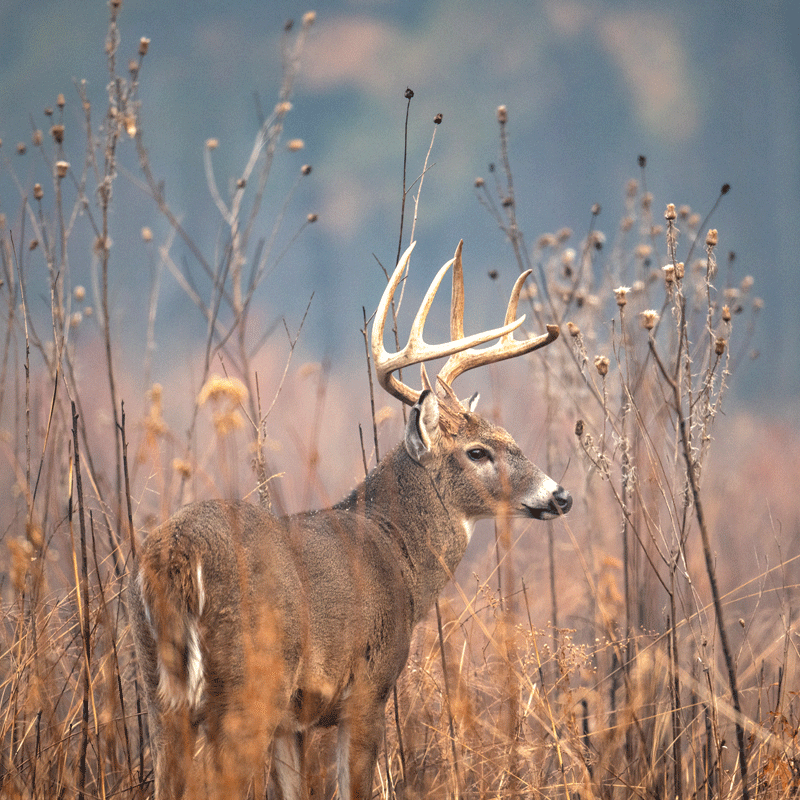
Best Over-the-Counter Whitetail Deer Hunting States for Non-Residents (2026 Guide)
There are opportunities to deer hunt every year without the need to build points or enter a draw. While there’s a lot of hype surrounding the western states and the point systems required to draw tags, often with the hope of harvesting a giant mule deer or whitetail, the reality is that even after years of waiting, the quality of the hunt may not live up to your expectations for the time invested. Hunters are holding out for these trophy units that they might never catch because of point creep. If your heart is set on those trophy tags, that’s great. However, I’m here to shine a light on other hunting opportunities that are more accessible, enjoyable, and available every single year.
Personally, I aim to have as many tags in my pocket as possible so I can hunt as much as possible each season. I love the adventure, the new places hunting takes me, the people I meet, and the time I get to share with others in the field. Much of our focus tends to be on the western states due to their complex regulations and draw systems. And while there are still over-the-counter (OTC) opportunities in the West, more and more areas are moving to a draw. Fewer OTC opportunities have led to increased competition and crowded hunting grounds that make the experience feel overwhelming or frustrating. The truth is, the mountains are vast, and to escape the pressure, you often have to go deeper or settle for less desirable areas. This can discourage hunters from going on these hunts and leave them without annual trips to look forward to. We don’t want you all to sit out a season or stop hunting. Therefore, I want to introduce you to whitetail hunting opportunities in states that often go overlooked. Places where you can purchase OTC licenses and tags and hunt every year without breaking the bank. This isn’t an in-depth analysis of each state but rather a brief overview that includes license and tag costs, total deer harvest numbers, public land availability, and other noteworthy factors. I encourage you to dig into the specific regulations for any state you’re interested in so you can become familiar with the rules. Contrary to popular belief, it’s not all private land. Pull out your onX app, turn on these states, and take a look at all the access you have. Many of these states offer ample public land where you can camp, explore, and hunt. Whether you’re planning a family trip, a solo adventure, or a group hunt, you don’t need to spend hundreds or thousands of dollars just on tags and licenses. And just like the West, these states offer a surprising amount of terrain and habitat diversity.
Let’s draw a parallel to the turkey hunting world, where the “Turkey Slam” has gained major traction. Hunters travel across the country, exploring new habitats and testing their skills in various terrains. Part of the appeal is that almost all states offer OTC turkey licenses, and the season spans from early March in Florida to June in states like Maine and Michigan. This gives hunters a long window to travel and chase birds northward as each season opens. The same approach can be taken with deer hunting, though in the opposite direction if you’re aiming to hunt during the rut. Peak estrus in the Northeast usually falls in early November, while in the Southeast, peak estrus can stretch into mid-January. For those not focused on rut hunts, a couple of states open their season in August, and even more states open their season in early September, giving you a chance to harvest velvet bucks early in the year. North Dakota, Kentucky, Tennessee, and South Carolina are a few examples.
If you're looking to broaden your hunting opportunities, explore new destinations, and enjoy annual hunts without navigating complicated point systems or lottery draws, these often overlooked states may be worth considering. Please note that, at the time of publication, some states have not yet released harvest reports from the previous season. In those cases, the year of the most recently available report is listed next to the state. Additionally, not all states have finalized or published updated regulations for the upcoming season. The information provided is based on the most current data available at the time of writing. While most states included in this article have released updated information, regulations and hunting opportunities can change. Be sure to verify the latest rules and requirements with the state of interest before making hunting plans.
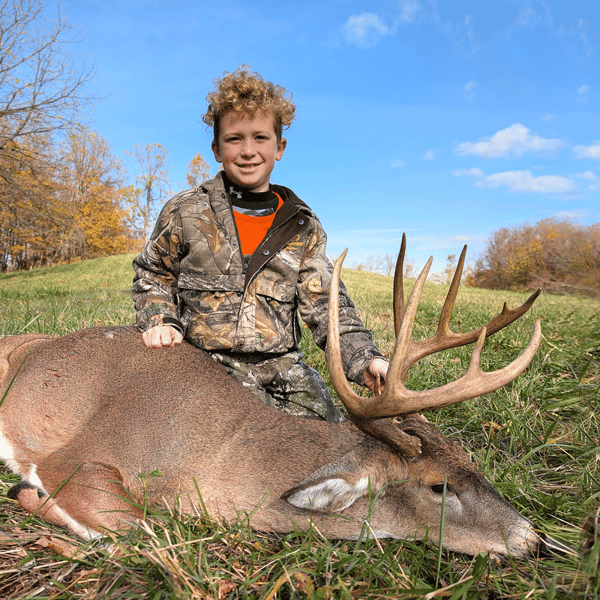
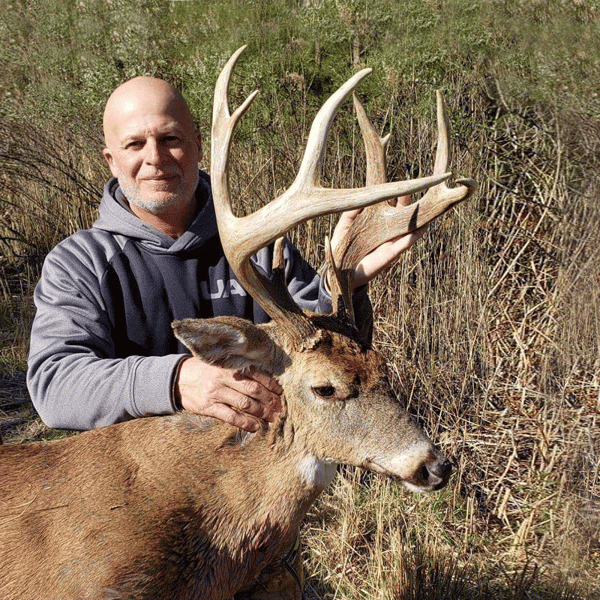
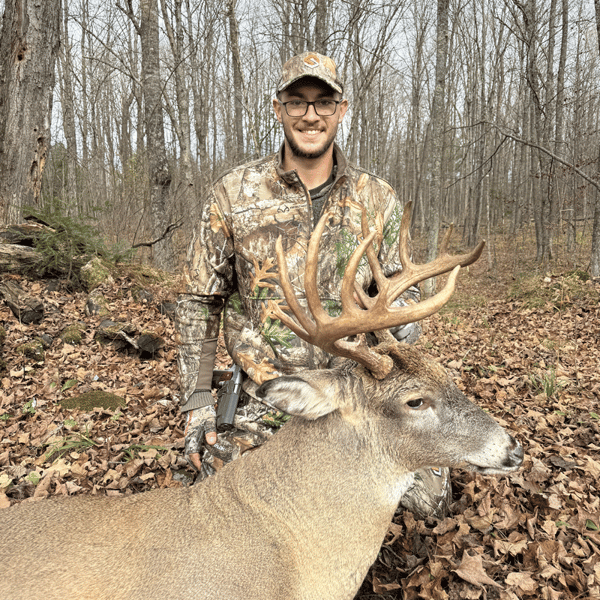
ALABAMA
Deer Harvest – 204,676 (2025)
Non-Resident Required Costs:
Annual All Game Hunting License – $399.50
10-Day All Game License – $246.60
3-Day All Game License – $173.90
Youth under 16 – FREE
Optional or Situation-Specific Costs:
Wildlife Management Area License – $22.75
Bait Privilege License – $63.40
Youth hunting over bait still requires a Bait Privilege License
Buck Limit:
Alabama is a 3-buck state. One of the three bucks must have at least four points, one inch or longer, on one side. Barbour County is different, requiring at least three points on one side. The daily limit is one buck. Some WMAs offer a bonus buck that does not count toward the statewide three-buck limit.
What Does This Allow?
Alabama is one of the more straightforward southeastern states for non-residents from a license standpoint. The annual all-game license covers deer hunting statewide. From there, hunters add a WMA license for public land or a bait privilege license if hunting over bait on private land. Public land baiting is illegal. The state offers a long season and strong overall opportunity. Alabama is divided into zones A, B, C, D, E, and the CWD Management Zone, and those zones control season timing and whether gun season is buck only or either sex. In most zones, hunters can take up to two antlerless deer per day when antlerless harvest is open, though some areas are more restrictive. All deer must be reported through game check within forty-eight hours.
How Many Acres of Public Hunting?
1.3 million acres – 4% of the state
Hunting Regulations:
Hunting regulations can be found at https://www.outdooralabama.com/sites/default/files/rules-and-regulations/2025-26%20Reg%20Book%201-6-26%20-%20FINAL%20%28rev%201-27-26%29.pdf.
ARKANSAS
Deer Harvest – 200,285 (2024)
Non-Resident Required Costs:
Annual All Game Hunting License (NGB) – $410
5-Day Deer Hunting License (AG5) – $225
3-Day Deer Hunting License (AG3) – $175
1-Day Deer Hunting License (AG1) – $100
Youth Hunting License (under 16) – FREE
Optional or Situation-Specific Costs:
Leased Lands WMA Permit – $40 per leased-land WMA
WMA General Use Permit – FREE, required to hunt WMAs
Hunting Dog Owner’s Permit – $20, required to hunt, chase, pursue or retrieve deer with dogs
WMA deer permit hunts – apply during permit window; required on certain WMAs/NWRs
Buck Limit:
Arkansas is a 2-buck state. The statewide seasonal limit is six deer and may be taken in any combination of zones or methods as long as the individual zone bag limits are not exceeded. The early archery limit is one buck, no does, statewide. During the 2025/2026 season, most private-land zones allowed three to five deer with no more than two bucks, depending on the zone. AGFC has proposed simplifying 2026 rules to four deer per private-land zone and three deer per WMA, though they will still allow no more no more than two bucks statewide. Antler rules vary: Arkansas generally uses a three-point rule unless a CWD-zone or WMA exception applies.
What Does This Allow?
A non-resident can buy an annual all-game license or short-term deer licenses for one, three, or five days. The annual license (NGB) is the best option for hunters planning to use multiple weapons or hunt more than one trip because it includes six deer tags and covers modern gun, alternative firearms, and archery deer hunting. The AG5 license includes two deer tags, and the AG3 and AG1 include one deer tag. There are twenty zones, and each zone’s season dates and bag limits vary. There are also special youth seasons that vary by zone and weapon type. Public-land hunters need to check the specific WMA page before hunting. A free WMA General Use Permit is required on WMAs, and some areas require a drawn permit to hunt. Leased-land WMAs require the separate $40 leased-land permit, and each leased WMA requires its own permit. These leased lands are privately owned by timber companies and others that allow public hunting. Deer must be tagged immediately and checked within twelve hours by app, online, or phone.
How Many Acres of Public Hunting?
3.2 million acres – 9.7% of the state
Hunting Regulations:
Hunting regulations can be found at https://www.agfc.com/news/2025-26-arkansas-hunting-guidebook-online/.
CONNECTICUT
Deer Harvest – 8,514 (2024)
Non-Resident Required Costs:
Firearms Hunting License – $91
Small Game and Deer Archery Permit – $135
State Land Lottery Deer Permit – $68
State Land No-Lottery Deer Permit – $68
Private Land Shotgun/Rifle Deer Permit – $68
Private Land Muzzleloader Deer Permit – $68
State Land Muzzleloader Deer Permit – $68
Junior Firearms Hunting License (ages 12 to 15) – $11
Junior Archery Deer/Small Game Permit (ages 12 to 15) – $19
Optional or Situation-Specific Costs:
Revolver Deer Endorsement – $5
Landowner deer permit – FREE for qualifying resident and non-resident landowners with ten or more contiguous acres in Connecticut
Buck Limit:
Connecticut is primarily a 4-buck state, but that limit can be higher if permits are utilized correctly. The archery permit carries two either-sex tags and two antlerless tags statewide, plus one additional either-sex and one additional antlerless tag during the January private-land archery season in zones 11 and 12. Each firearms deer permit generally adds one either-sex tag, with some permits also carrying antlerless tags depending on the zone.
What Does This Allow?
Connecticut is a permit-combination state. If you want to bowhunt for deer, buy the non-resident archery permit. That one permit gives you four total archery tags statewide: two either-sex and two antlerless. If you are hunting private land in zones 11 and 12 during the January extension, the state adds even more opportunity with one extra either-sex and one extra antlerless tag. Non-resident juniors will have to pay the full price for a deer permit. If you want to hunt deer with firearms, start with the non-resident firearms hunting license and then buy deer permits by season and land type. Private-land shotgun and rifle, private-land muzzleloader, state-land muzzleloader, and state-land shotgun permits are all separate purchases. On the state-land shotgun side, you must choose either a lottery permit or a no-lottery permit. You cannot hold both in the same year. Sunday hunting is now allowed on private land for deer, including firearms and archery. The public-land opportunity is decent for a small state, but access is not all simple walk-on ground. Some state lands are archery-only, some require permits, and some shotgun opportunities are controlled by the deer lottery. A few controlled hunt areas have their own rules and variable bag limits. Connecticut also keeps a close eye on CWD risk, so natural deer urine products are prohibited, and carcass-import restrictions remain in place.
How Many Acres of Public Hunting?
173,000 acres – 5.6% of the state
Hunting Regulations:
Hunting regulations can be found at https://portal.ct.gov/deep/hunting/2026-connecticut-hunting-and-trapping-guide.
DELAWARE
Deer Harvest – 16,746 (2025)
Non-Resident Required Costs:
Hunting License – $199.50Antlered Deer Tag – $50
Quality Buck Tag – $50
Additional Antlerless Deer Tag – $20
Junior Hunting License (ages 13 to 15) – $50
Wildlife Area Deer Stand/Waterfowl Blind Lottery Permit – $20
Conservation Access Pass – FREE with hunting license (required for vehicle access to designated wildlife areas)
Out-of-State Conservation Access Pass (no hunting license) – $20 (three-day pass) or $65 (annual pass)
Optional or Situation-Specific Costs:
Wildlife Area Deer Stand/Waterfowl Blind Lottery Permit – $20Conservation Access Pass – FREE with hunting license (required for vehicle access to designated wildlife areas)
Out-of-State Conservation Access Pass (no hunting license) – $20 (three-day pass) or $65 (annual pass)
Buck Limit:
Delaware is a 2-buck state. In order to take two bucks, the hunter must purchase both the Antlered Deer Tag and the Quality Buck Tag. The Quality Buck Tag is only valid for a buck with at least a 15-inch outside spread. All other deer must be antlerless, and there is no limit on antlerless deer as long as the hunter has valid antlerless tags before harvest.
What Does This Allow?
Your hunting license includes a Deer Harvest Report Card with four antlerless tags, allowing immediate opportunity without additional purchases. Buck harvest requires buying separate buck tags, which is how the state enforces its two-buck structure.
The first buck tag allows for the harvest of a legal antlered deer (3-inch minimum antler), while the second “quality buck” tag requires a 15-inch outside spread. This means you will need to make sure the buck's antlers are at least out to its ears when he is in the alert position, ears out. Sika deer are present and can be hunted, harvested, and tagged just like a whitetail. When you register your harvest, you will be asked if it was a whitetail or sika deer. Biologists may follow up to collect more data, as sika deer are not native, the population is small, and Delaware DNREC wants to keep it that way. Additional antlerless tags can be purchased to expand the opportunity beyond the four included with the license. Seasons are long (archery runs from September through January), and Sunday hunting is allowed on private land and select public lands. Public-land access requires a little planning. Vehicles entering designated wildlife areas must have a Conservation Access Pass. Some areas also use lottery systems for stands or blinds, and each wildlife area carries its own regulations. Youth hunters just need the youth hunting license to hunt, and there are also some special youth hunting dates. All deer must be registered within twenty-four hours of harvest.
How Many Acres of Public Hunting?
68,000 acres – 5.4% of the state
Hunting Regulations:
Hunting regulations can be found at https://www.eregulations.com/delaware/hunting/.
FLORIDA
Deer Harvest – 92,496 (2024)
Non-Resident Required Costs:
Annual Hunting License – $151.50
10-Day Hunting License – $46.50
Youth (under 16) – FREE
Deer Permit – $5.00
Optional or Situation-Specific Costs:
Management Area Permit – $26.50
Archery Season Permit – $5.00
Crossbow Season Permit – $5.00
Muzzleloading Gun Season Permit – $5.00
WMA Deer-Dog Permit – FREE (required where applicable)
Buck Limit:
Florida is a 5-buck state. Florida’s annual bag limit is five deer statewide. No more than two deer may be antlerless statewide (this increases to three in DMU D2 outside WMAs). The daily limit is two deer.
What Does This Allow?
A hunter needs purchase the annual hunting license and deer permit. They then add weapon-specific permits only if hunting archery, crossbow, or muzzleloader seasons. The general gun season does not require additional permits. The state manages deer by Deer Management Units (DMUs), and those units control both season timing and antler regulations. Some DMUs require only two points on one side, while others require three points or a 10-inch main beam. That makes it important to match your hunt plan to the specific unit. Public-land hunting adds complexity. Most WMAs require a management area permit, and many operate under limited-entry or quota systems. Smaller WMAs and those that are around major cities require you to apply for a quota permit in order to hunt deer. The period to apply is from May 15 through June 15. If you are unsuccessful in obtaining your quota permit, you will be awarded a preference point. Larger WMAs and those not near major cities do not require a quota permit to hunt; these are purchased over the counter. Statewide season dates and bag limits do not automatically apply on WMAs, and each area may have its own rules and restrictions. The state offers long seasons, large amounts of public land (outside WMAs), and the ability to hunt without relying on a draw in many cases. Youth under sixteen are license exempt, but they must follow all bag limits. Youth participating in a youth deer hunt weekend are allowed to harvest one antlered or antlerless deer during the weekend, and the deer counts towards the youth’s statewide annual bag limit. Deer-dog hunting on WMAs requires a free permit where authorized.
How Many Acres of Public Hunting?
6 million acres – 17.7% of the state
Hunting Regulations:
Hunting regulations can be found at https://myfwc.com/hunting/regulations/.
GEORGIA
Deer Harvest – 277,336 (2025)
Non-Resident Required Costs:
Annual Hunting License – $100
One-Day Hunting License – $20
Additional Hunting Day – $6
Annual Big Game License – $22
One-Day Big Game License – $130
Additional Big Game Day – $8
Annual Sportsman’s License – $400
Youth Sportsman’s License (15 and younger) – $50
Harvest Record – FREE
Optional or Situation-Specific Costs:
Public Land Access Lands Pass – $60 if needed for access only (not required with a hunting license)
Buck Limit:
Georgia is a 2-buck state. One of the two antlered deer must have at least four points one inch or longer on one side or a minimum 15-inch outside spread. The statewide season limit is twelve deer total: ten antlerless and two antlered.
What Does This Allow?
Georgia remains one of the more straightforward southeastern states for non-residents. The typical path is the annual hunting license, the big game license, and the free harvest record. If purchasing the sportsman's package, a big game and hunting license is included. It costs more because it gives you the opportunity to participate in other state recreation opportunities, like fishing. In the regulations, the counties are categorized by color. Each color provides details on season dates and what can be harvested. The public-land hunting is solid, with nearly one million acres available across WMAs and other properties. However, public-land hunts often operate differently from statewide seasons. Many WMAs use quota hunts, sign-in hunts, or area-specific rules, and some offer bonus harvest opportunities. For bonus deer hunts in specific areas, no more than two deer may be killed unless otherwise noted in the area listing. In areas with antler restrictions in effect, no more than one of the two deer may be an antlered buck. Deer killed on bonus hunts are not to be recorded on your deer harvest record or reported in Georgia Game Check. Instead, deer are to be taken on the day of kill to the check station, where agency staff will tag the deer. Deer can be brought to the check station whole, field dressed, or quartered with the head. Hunters should always check individual WMA regulations before planning a hunt. The state confirmed CWD in 2025, and carcass transport and disposal rules now apply, particularly in the southwestern part of the state. Additionally, firearm restrictions still apply in some metro counties, and federal lands may carry their own regulations layered on top of state law. All deer must be reported through Georgia Game Check within 24 hours.
How Many Acres of Public Hunting?
1 million acres – 2.7% of the state
Hunting Regulations:
Hunting regulations can be found at https://georgiawildlife.com/hunting/hunter-resources.
ILLINOIS
Deer Harvest – 174,006 (2025)
Non-Resident Required Costs:
Hunting License – $57.75
Youth Combo Hunting License – $7.50
5-Day Hunting License – $35.75
Combo Archery Deer Permit – $410
Firearm Either-Sex Deer Lottery Permit – $304 or $329 with Antlerless Tag
Muzzleloader Either-Sex Deer Lottery Permit – $304 or $329 with Antlerless Tag
Youth Combination Archery Permit – $26
Youth Firearm or Muzzleloader Permit – $10
State Habitat Stamp – $5.50
Optional or Situation-Specific Costs:
Combination Archery Deer Permit, either-sex or antlerless only, OTC (if available) – $411
Deer Firearm/Muzzleloader County Permit, either-sex, OTC (if available) – $300.50
Archery Antlerless Permit – $25.50 (with ES permit) or $100.50 (without)
Firearm/Muzzleloader Antlerless Permit – $25.50 or $100.50 depending on eligibility
Site-specific public-land permits or windshield cards may be required
Buck Limit:
Illinois is a 2-buck state. No hunter may harvest more than two antlered deer across all seasons combined with one exception: additional antlered deer may be taken during special CWD seasons.
What Does This Allow?
Illinois remains one of the more structured Midwestern states for non-residents. Every hunter needs a hunting license, a habitat stamp, and a deer permit tied to a weapon type and, often, a county. The archery combination permit gives one either-sex and one antlerless tag and is generally available without heavy draw pressure. Non-residents can get archery licenses during the June application period or purchase over the counter before the hunt, all of which are valid statewide. There is not an unlimited number of licenses, but the quota is so high that it basically ensures you will get a license and tag. Firearm and muzzleloader permits are county specific and primarily distributed through the lottery system before any leftover tags become available over the counter. The first lottery is for residents only. The second lottery is for residents who didn’t draw in the first and for non-residents. The third lottery is for everyone, and whatever isn’t sold will be available to purchase OTC on a first-come, first-served basis. That makes archery the most dependable option for non-residents, while firearm access depends more on county demand and leftover availability. Antlerless permits are relatively inexpensive once you already hold an either-sex permit but cost significantly more if purchased on their own. Public land is available but limited compared to neighboring states. Some areas require windshield cards, some have local hunt procedures, and some have additional restrictions layered on top of statewide regulations. The Restricted Archery Zone is another unique rule, limiting October harvest to antlered deer only in Champaign, Douglas, Macon, and Piatt counties. Unfilled youth permits are also valid during the first weekend of firearm deer season. All counties except Cook, DuPage, and Lake counties, and the portion of Kane County east of State Route 47, are open to youth deer hunting. All deer must be registered by 10 p.m. on the day of harvest.
How Many Acres of Public Hunting?
467,500 acres – 1.3% of the state
Hunting Regulations:
Hunting regulations can be found at https://dnr.illinois.gov/hunting/hunttrapdigest.html.
INDIANA
Deer Harvest – 131,644 (2025)
Non-Resident Required Costs:
Deer Archery/Firearm/Muzzleloader License – $240
Youth Deer Archery/Firearm/Muzzleloader License – $39
Deer License Bundle – $550
Youth Deer License Bundle – $91
Deer Reduction Zone License – $240
Optional or Situation-Specific Costs:
First Multiseason Antlerless License – $240
Second and Additional non-resident Multiseason Antlerless Licenses – $39 each
Youth First Multiseason Antlerless License – $39
Youth Second and Additional Multi-season Antlerless Licenses – $24
Buck Limit:
Indiana is a 1-buck state. A hunter may harvest only one antlered deer total across youth, archery, firearms, and muzzleloader seasons. The statewide regular-season antlerless limit is six, subject to county antlerless bag limits ranging from two to four. Additional antlered opportunity exists only in specific situations such as deer reduction zones (earn-a-buck), certain military and refuge hunts, and some state park management hunts.
What Does This Allow?
Indiana is straightforward once you separate the regular statewide structure from the special hunt systems. Non-residents buy the deer license for the method they plan to hunt. Archery licenses allow one deer of either sex. Firearm licenses are buck only. Muzzleloader licenses allow one deer of either sex unless the statewide buck limit has already been filled. The deer license bundle gives you one antlered deer and two antlerless deer across multiple seasons. Antlerless opportunity is where Indiana becomes more detailed. The statewide limit is six antlerless deer during the regular seasons, but county antlerless bag limits still control how many deer can be taken in a specific county. Multiseason antlerless licenses are the primary way to add additional doe opportunity. Deer reduction zones allow up to ten deer total, only one of which may be antlered, and require harvesting an antlerless deer first before taking a buck (earn-a-buck). Reduction-zone deer are in addition to the regular statewide limits, but each deer requires a reduction-zone license. Deer reduction zones are $240 per tag; there are no reduced prices for additional tags. The multiseason antlerless license is what you would purchase to take additional antlerless deer not provided on your base or bundle license. This can be used during archery, muzzleloader, and firearms seasons. Public-land hunting is available but requires attention to detail. Not all public properties allow antlerless firearm harvest, even when the hunter holds a valid license. Some properties also have local restrictions or are not open to reduction-zone hunting, even if they fall within zone boundaries. All deer must be reported within forty-eight hours.
How Many Acres of Public Hunting?
640,000 acres – 2.7% of the state
Hunting Regulations:
Hunting regulations can be found athttps://www.in.gov/dnr/fish-and-wildlife/hunting-and-trapping/hunting-trapping-guide/.
KENTUCKY
Deer Harvest – 145,433 (2025)
Non-Resident Required Costs:
Annual Hunting License – $169.12
Youth Hunting License (ages 12 to 15) – $10.57
Deer Permit – $248.40
Youth Deer Permit (ages 12 to 15) – $15.86
Youth License and Deer Permit (under 12) – FREE
Optional or Situation-Specific Costs:
Additional Deer Permit – $15.86
Public-land user permits or quota-hunt permits may be required on some WMAs and federal properties
Buck Limit:
Kentucky is a 1-buck state. The standard deer permit allows four deer total: one antlered and three antlerless or four antlerless. Additional deer permits can add up to two more deer, but the statewide antlered deer limit remains one per hunter. Zone 1 allows for unlimited antlerless harvest with additional deer permits. However, on some federally controlled areas, including Reelfoot National Wildlife Refuge, Fort Campbell and Fort Knox military reservations, and Blue Grass Army Depot, a bonus antlered deer may be taken as determined by the governing agency for each area.
What Does This Allow?
For most non-residents, Kentucky is one of the easier states in terms of price and opportunity. You need the annual non-resident hunting license and the non-resident deer permit. That deer permit covers up to four deer, which is a lot of opportunity for the price when compared to a lot of other states. Kentucky’s deer structure is driven more by zones than by weapon-specific permits. The buck rule stays simple statewide at one antlered deer per hunter, but antlerless opportunity changes by zone. In Zone 1, hunters can use additional deer permits to keep adding antlerless opportunities. Those permits may also be used for one antlered and one antlerless deer, but only if the hunter has not already filled the one-buck statewide limit. Public-land opportunity is strong in Kentucky. Some WMAs run quota hunts, some limit antlerless seasons, and some federal properties have their own hunt structures layered on top of state law. A statewide deer permit can be used on many public lands, but the local area listing still controls the hunt. Kentucky is also getting more CWD-specific; they are once again expanding the surveillance zone, and some counties have a special two-day, antlerless-only hunt plus mandatory testing or carcass movement rules. Baiting is allowed with restrictions inside the CWD Surveillance Zone for that season but remains illegal on WMAs and public lands. Youth hunters younger than age twelve are not required to have a hunting license or deer permit. Youth hunters hunting during the free youth weekends may hunt deer with firearms or any other legal method statewide without a hunting license or deer permit. During these seasons, youth hunters may harvest antlered or antlerless deer regardless of zone but must still abide by all bag limits and other deer hunting requirements. All deer must be telechecked.
How Many Acres of Public Hunting?
5 million acres – 5.9% of the state
Hunting Regulations:
Hunting regulations can be found at https://fw.ky.gov/Hunt/Pages/Deer.aspx.
LOUISIANA
Deer Harvest – 143,527 (2024)
Non-Resident Required Costs:
Basic Hunting License – $200
Basic Hunting 5-Day License – $65
Deer License – $100
Deer 5-Day License – $35
Louisiana Sportsman’s Paradise License – $400
Louisiana Sportsman’s Paradise 5-Day License – $120
Youth Hunting License (17 and under, includes deer tags) – $5
Optional or Situation-Specific Costs:
WMA Access Annual Permit – $20
WMA Access 5-Day Permit – $5
WMA Camping Permit – $7 per night for up to five adults
Buck Limit:
Louisiana is a 3-buck state. The statewide season limit is six deer, with no more than three antlered or four antlerless deer. Deer Area 4 is more restrictive, with a four-deer season limit allowing for no more than two antlered and two antlerless deer. Deer Area 10 is tighter still, with a three-deer season limit allowing for no more than two antlered or two antlerless deer. The daily limit is one antlered and one antlerless deer when legal.
What Does This Allow?
You’ll need the basic hunting license plus the deer license to be legal to hunt. The deer license already includes archery and primitive firearms deer privileges along with your deer tags, so you do not need separate weapon-specific deer permits. You will need to add the additional WMA permits if you are hunting and camping in an area that requires them. The sportsman’s paradise package includes WMA access as well as additional perks. Louisiana is divided into ten deer areas. The statewide six-deer framework applies in most of the state, but deer areas 4 and 10 are more restrictive, and areas 5 and 9 limit antlerless harvest to designated days. Baiting and carcass-movement restrictions apply in the CWD control area.
How Many Acres of Public Hunting?
1.6 million acres – 5% of the state
Hunting Regulations:
Hunting regulations can be found at https://www.wlf.louisiana.gov/page/seasons-and-regulations.

BECOME A MEMBER Prep Like a Pro. Hunt Like a Fool.
CONSULTATIONS
RESEARCH TOOLS
COMMUNITY INTEL
APPLICATION SERVICE
MAINE
Deer Harvest – 55,876 (2025)
Non-Resident Required Costs:
Hunting License – $115
Archery License – $75
6-Day Archery License – $26
Muzzleloader Permit – $69
Antlerless Deer Permit – $12
Junior Hunting License – $35
Optional or Situation-Specific Costs:
Expanded Archery Antlerless Deer Permit – $12
Expanded Archery Either-Sex Permit – $32
Buck Limit:
Maine is a 1-buck state, except that hunters with an archery license and an expanded archery permit may take one additional antlered deer in a designated expanded archery area. A non-resident hunting license or archery license allows the harvest of one antlered deer annually. Antlerless deer require either an antlerless deer permit or a season or area where either-sex harvest is allowed under the base license.
What Does This Allow?
If you plan to hunt with a firearm, your non-resident hunting license covers one antlered deer for the year. If you want to bowhunt instead, the non-resident archery license also covers one antlered deer. If you want to hunt the muzzleloader season, you’ll add a muzzleloader permit to the non-resident hunting license. Expanded archery is where a non-resident can build extra deer opportunities. In designated expanded archery areas, a hunter with an archery license can buy an either-sex expanded permit for an additional buck and expanded antlerless permits for more doe opportunities. Where Maine gets more detailed is antlerless opportunity. In some wildlife management districts and seasons, a hunter may take one deer of either sex under the authority of the big game license. For 2025, that either-sex opportunity applied statewide during the regular archery and youth seasons, and in WMDs 21, 22, 23, 24, 25, and 29 during the firearms and muzzleloader seasons. Outside those either-sex situations, antlerless harvest requires an antlerless deer permit. Antlerless permits need to be applied for, and any that are unsold will go on sale for purchase over the counter in September. There is usually a fair number available for purchase. Unlike most other states, Maine operates under an implied permission structure, meaning that if land is not posted, it is legal to use the land. But there is still the unwritten rule: always ask permission. Ninety-four percent of Maine is privately owned, but more than half of that land is open to the public.
How Many Acres of Public Hunting?
620,000 acres – 2.7% of the state
Hunting Regulations:
Hunting regulations can be found at https://www.maine.gov/ifw/hunting-trapping/hunting/laws-rules/deer-hunting.html.
MARYLAND
Deer Harvest – 71,649 (2025)
Non-Resident Required Costs:
Non-resident Hunting License – $160
Non-resident Junior Hunting License – $80
Non-resident Senior Hunting License – $65
Archery Stamp – $25
Muzzleloader Stamp – $25
Optional or Situation-Specific Costs:
Bonus Antlered Deer Stamp – $25
Sika Deer Stamp – $200
Big Game Harvest Record – FREE
Public Hunting Permit – FREE
Buck Limit:
Maryland is a 2-buck state with a path to a third buck in Region B using the bonus antlered deer stamp. No more than one antlered whitetail deer may be taken during any weapon season. Antlerless deer harvest depends on what region you are in and what season. Sika deer bag limits are separate from whitetail deer bag limits.
What Does This Allow?
Maryland is a stamp state for deer hunters. A non-resident needs a hunting license; then they can add the archery stamp for archery season, the muzzleloader stamp for muzzleloader season, or both if planning to hunt multiple weapons. The real management structure is regional. Maryland’s whitetail deer rules are split into Region A and Region B. Region A is the lower-density western mountain region and runs tighter, while Region B covers the rest of the state and gives hunters more liberal deer opportunity, especially on antlerless harvest. For example, the annual bag limit for antlerless deer in Region A is two, with the option of taking an additional antlerless deer during the primitive deer hunt days. In Region B, fifteen antlerless deer may be taken during archery season (unlimited in suburban deer management zones), ten may be taken during muzzleloader, and ten may be taken during firearms. For bucks, Maryland limits hunters to one antlered deer per weapon season, and the bonus antlered stamp can be used to take one additional antlered whitetail deer where allowed under the annual framework. Youth hunters still need to purchase stamps to hunt. However, there are junior deer hunt days where youth only need a license to hunt. Deer harvested during those days do not count towards regular season bag limits, and antler restrictions do not apply. Sika deer bag limits are independent of whitetail. The sika deer stamp allows for the taking of three sika deer during archery season, including no more than one antlered; three during muzzleloader, including no more than one antlered; and three during firearms, including no more than one antlered. Sunday hunting varies by county and based on whether you're hunting public or private land. Public land opportunity is better than many people expect for a small, developed state. There is a real spread of WMAs, state forests, state parks, natural resource management areas, and Chesapeake Forest lands open to deer hunting. The catch is that public land rules are often property specific. Some areas are bow only, some require a free permit, some need reservations, and some have local access rules layered on top of the statewide deer seasons. Baiting deer is legal except on state-owned or state-controlled properties.
How Many Acres of Public Hunting?
420,000 acres – 5.3% of the state
Hunting Regulations:
Hunting regulations can be found at https://dnr.maryland.gov/huntersguide/Pages/allspecies.aspx.
MASSACHUSETTS
Deer Harvest – 16,681 (2025)
Non-Resident Required Costs:
Big Game Hunting License (age 15+) – $112.00
Wildlands Conservation Stamp – $5.00
Archery Deer Season Stamp – $30.00
Primitive Firearms Deer Season Stamp – $30.00
Antlerless Deer Permit – $30.00
Optional or Situation-Specific Costs:
Big Game Hunting License (paraplegic) – FREE
Youth ages 12 to 14 may hunt, but only under Massachusetts minor hunter rules and supervision requirements
Buck Limit:
Massachusetts is a 2-buck state. A hunting license comes with two antlered deer tags valid statewide. Antlerless deer are separate and require valid antlerless deer permits. A hunter may harvest as many antlerless deer as they have valid antlerless permits for in the specified permitted zones. A youth deer permit or winter deer permit can create additional antlered opportunity.
What Does This Allow?
The non-resident big game license is your base deer license, and it includes two statewide antlered deer tags. The wildlands stamp is added to all non-resident license purchases. If you want to hunt the archery season, add an archery stamp. If you want to hunt the primitive firearms season, add a primitive firearms stamp. To take an antlerless deer, you need an antlerless deer permit, and those are zone specific. You’ll have to apply by the annual July deadline and then check whether you were awarded the permit before buying it. In some zones, leftover surplus permits are available later, which can create a lot more deer opportunity for hunters willing to target high-density areas. For daily bag limits, in wildlife management zones (WMZs) 1 through 12, a hunter may harvest two deer before having to report or check them in. After checking them in, they may resume hunting that same day. WMZs 13 and 14 allow the harvest of four deer before having to check them in. Deer with antlers 3 inches or less are considered antlerless and will need to be harvested on an antlerless deer permit. Massachusetts still has no Sunday hunting. All deer taken during the first week of shotgun season must be brought to an official check station for biological data collection. Public-land opportunity is decent for a small state. MassWildlife manages more than 230,000 acres open to hunting, and additional hunting access exists on some state parks, forests, watershed lands, and special properties. The catch is that local rules matter. Some places have season restrictions, some require special permits, and all WMAs come with their own access and use rules. There is a free youth day hunt in September. The permit for that is free. The bag limit for the free youth hunt is one deer (antlered or antlerless).
How Many Acres of Public Hunting?
230,000 acres – 4.6% of the state
Hunting Regulations:
Hunting regulations can be found at https://www.mass.gov/info-details/deer-hunting-regulations.
MICHIGAN
Deer Harvest – 295,845 (2025)
Non-Resident Required Costs:
Base License – $151
Junior Base License - $6
Combo License - $266 (two deer and fishing)
Single Deer License – $20 (one deer)
Deer Combo License (adult + youth) – $190 (two deer)
Universal Antlerless Deer License – $20
Mentored Youth License – $7.50
Optional or Situation-Specific Costs:
Antlerless Deer Hunting Access Permit Application – $5
Reserved Deer Hunt Access Permit Application – $5
DMU 487 Antlerless Deer License – $5
Extended Late Antlerless Deer License – $5
DNR Sportcard – $1 if needed
Non-residents under 17 may purchase a resident base license
Buck Limit:
Michigan is generally a 2-buck state. A single deer license gives you one kill tag. A deer combo license gives you two kill tags and lets you pursue up to two antlered deer during the license year, except in DMU 117, where only one buck may be taken. The season bag limit is very generous, as it allows the purchase of up to ten universal antlerless licenses and up to ten extended late antlerless licenses.
What Does This Allow?
The non-resident base license plus a single deer license allows you to harvest one deer. If you want the chance to take two antlered deer, you must buy the base license and the deer combo license. The combo license includes the hunting license and two kill tags (regular and restricted), both of which are valid for one deer. Antlerless opportunity is where the state gets more layered. Across much of Michigan, non-residents can buy universal antlerless deer licenses over the counter in open areas. The universal antlerless license allows one kill tag for one antlerless deer. You may purchase up to ten statewide per license year. Some opportunities, especially in parts of the Central Upper Peninsula, run through the antlerless deer hunting access permit drawing. You must apply and obtain an access permit to hunt antlerless deer in areas where a permit is required. Michigan also uses special tools like the DMU 487 antlerless license and the extended late antlerless license to increase doe harvest in targeted places. The DMU 487 license allows one kill tag for one antlerless deer. The extended late antlerless license allows one kill tag for one antlerless deer. You may purchase up to ten between December 1 through January 11, and this does not count toward the purchase limit of the universal tags. There are major differences between the Upper Peninsula, northern Lower Peninsula, and southern Lower Peninsula. Equipment rules change in the limited firearms zone, antlerless structure changes by DMU, and some late seasons only apply in certain counties. The mentored youth license is a license package that allows youth hunters nine years old and younger to hunt small game, waterfowl, turkey (spring and fall), and deer; trap furbearers; and fish for all species with a qualified mentor. The mentored youth license and kill tags will remain valid for the duration of the license year, even if the mentored youth hunter turns ten years old during the year. The single deer license issued with the mentored youth license is valid for any deer in any deer management unit, except for units open during an antlerless-only season, when only an antlerless deer may be taken. Antler point restrictions do not apply. Deer harvest reporting is mandatory within seventy-two hours or before transferring possession.
How Many Acres of Public Hunting?
8.2 million acres – 22.5% of the state
Hunting Regulations:
Hunting regulations can be found at https://www.michigan.gov/dnr/managing-resources/laws/regulations/deer#Deer_management.
MINNESOTA
Deer Harvest – 186,333 (2025)
Non-Resident Required Costs:
Firearms/Archery/Muzzleloader Deer License – $186
Youth Firearms/Archery/Muzzleloader License (ages 13 to 17) – $6
Youth Deer Licenses (ages 10 to 12) – FREE
Optional or Situation-Specific Costs:
Deer Zone Change – $6
Bonus Antlerless Deer Permit – $92
Disease Management Antlerless Tag – $2.50
Early Antlerless Deer License – $46
Walk in Access – $3
Buck Limit:
Minnesota is a 1-buck state, except in DPAs 643, 645, 646, 647, 648, 649, and 655, where three antlered bucks are allowed. One each on an archery, firearms, and muzzleloader base license. Bucks taken in those areas do not count toward the statewide one-buck limit but do count toward the license limit (archery/muzzleloader/firearms) and the DPA limit. The statewide annual bag limit is five. There are areas with deer limits, such as one-, two-, three-, and five-deer limits. In each, only one buck may be taken; the remaining limit can be filled with antlerless deer.
What Does This Allow?
Minnesota gives non-residents a lot of opportunity, but it is built around deer permit areas. A non-resident buys a weapon-specific deer license, and that base license comes with the main tag for that season. You can buy one firearm, one archery, and one muzzleloader license in a calendar year. There is a lottery for certain permits in specific areas. Some permit areas are buck only, some are antlerless lottery areas, some are either-sex one-deer areas, and others allow two, three, or even five deer to be taken. In lottery areas, firearm and muzzleloader hunters need to apply for an either-sex permit if they want antlerless opportunity. In either-sex areas, the base license can tag either a buck or a doe. In two-deer and three-deer areas, bonus permits help build extra antlerless opportunities, but you still only get one buck. For firearms hunters, Minnesota eliminated the old “B” license system. There is now one statewide firearms deer license that is valid for the regular statewide firearms season and the late southeast season where those seasons are open. The youth firearms license is valid during the youth deer season and the statewide seasons but not the muzzleloader season. Bonus permits are not valid for legal bucks. Bonus, early antlerless, and disease-management permits may be used with other season licenses. For example, a hunter who purchases a bonus permit with their archery license may use that bonus permit to tag an antlerless deer during firearms season if they hold a firearms license. Crossbows are legal for all archery deer hunters. Baiting deer is illegal. CWD rules matter in several permit areas, including mandatory opening-weekend sampling for deer one year or older in designated CWD zones and carcass movement restrictions in CWD-management zones.
How Many Acres of Public Hunting?
8.9 million acres – 17.4% of the State
Hunting Regulations:
Hunting regulations can be found at https://www.dnr.state.mn.us/hunting/deer/index.html.
MISSISSIPPI
Deer Harvest – 279,790 (2024)
Non-Resident Required Costs:
Annual All Game Hunting License – $300
7-Day All Game Hunting License – $150
3-Day All Game Hunting License – $150
Deer Hunter Package – $475
Deer Permit – $100
Archery/Primitive Weapon/Crossbow Permit – $75
Youth Hunting License (under 16) – Free
Optional or Situation-Specific Costs:
Wildlife Management Area User Permit – $30
North MS NWR Permit – $15 for Coldwater, Dahomey, Tallahatchie, and Sam D. Hamilton Noxubee NWRs
Buck Limit:
Mississippi is a 3-buck state, except in North Central DMU, where you may shoot four. Outside the North Central DMU, one of those three can be an antlered buck that does not meet the unit’s legal-antler standard on private land and Holly Springs National Forest. In the North Central DMU, all four may be any hardened-antler buck. Velvet season is limited to one legal buck statewide, and that buck counts toward the annual buck limit. The antlerless annual bag limit is five. However, on private lands in the North Central DMU, the bag limit is ten antlerless. Only three antlerless deer may be harvested from the Southeast DMU, and the daily bag limit is one. There is no daily bag limit in the North Central, Hills, and Delta units.
What Does This Allow?
To hunt, purchase the hunting license that matches your trip length, then add the $100 deer permit. You will also need to add the $75 archery/primitive permit if you are hunting during those weapon seasons under the annual or seven-day license. If you are hunting only during gun seasons, you do not need the archery/primitive add-on. If you are hunting a WMA, you also need a $30 WMA User Permit before stepping onto the area. The all-game hunting license and the seven-day hunting license does not include the archery/primitive/crossbow weapon permit. The three-day license does include that permit. All three of those licenses do not include a deer permit. However, the deer hunter package does include a deer permit and the archery/primitive/crossbow permit. The state is broken down into four units: Delta, Hills, Southeast, and North Central. For each unit, there is an antler restriction based on inside spread and main beam length. Delta requires a 12-inch inside spread or 15-inch beam; Hills and Southeast require a 10-inch inside spread or 13-inch beam; North Central allows any hardened-antler buck. Antlerless opportunity is generous in much of the state, but it tightens in the Southeast DMU and expands in the North Central DMU. Some public lands follow statewide seasons, but many WMAs have their own hunt structure, check-in rules, and limited-entry deer hunts. In CWD management zones, carcass movement is restricted and supplemental feeding is banned. Deer game check is generally voluntary, but velvet-season deer must be reported by 10:00 p.m. on the day of harvest and submitted for CWD sampling within five days. Youth fifteen and under get more flexibility on buck criteria on private land and authorized state and federal lands. Mississippi also offers a long list of youth-only WMA deer draw hunts.
How Many Acres of Public Hunting?
2 million acres – 6.6% of the state
Hunting Regulations:
Hunting regulations can be found at https://www.mdwfp.com/wildlife-hunting/hunting-seasons-and-bag-limits.
MISSOURI
Deer Harvest – 301,954 (2025)
Non-Resident Required Costs:
Firearms Any-Deer Hunting Permit – $360
Youth Firearms Any-Deer Hunting Permit (ages 6 to 15) – $9.75
Firearms Antlerless Deer Hunting Permit – $34
Youth Firearms Antlerless Deer hunting Permit (ages 6 to 15) – $3.75
Archer’s Hunting Permit – $360
Youth Archer’s Hunting Permit (ages 6 to 15) – $11
Archery Antlerless Deer Hunting Permit – $34
Youth Archery Antlerless Deer Hunting Permit (ages 6 to 15) – $3.75
Optional or Situation-Specific Costs:
Managed Deer Hunting Permit – $360
Buck Limit:
Missouri is now a 1-buck state for non-residents. There is a generous season bag limit for antlerless deer. Antler-point restrictions (APR) apply in some counties, but youth hunters fifteen and under are exempt from the APR.
What Does This Allow?
Now that the non-resident buck limit has been reduced to one, the state may also be passing another law for 2027 that requires non-residents to purchase a public land deer hunting permit for $165 in addition to the regular hunting permits. For now, a hunter needs to buy a firearms any-deer hunting permit or an archer’s hunting permit to be eligible to hunt. The firearms any-deer permit is valid for one either sex deer. The archer’s permit is valid for two deer of either sex. Archery antlerless permits can be bought in any number statewide, while firearms antlerless permits are controlled by county and season rules. Firearms antlerless permits are not valid in Atchison, Dunklin, Mississippi, New Madrid, and Pemiscot counties. Missouri sets county-by-county caps on how many firearms antlerless permits you can fill. Public land hunting does not require a separate statewide WMA access permit, but rules vary by area. Some are archery only, some allow archery and firearms, some restrict antlerless permits, and some are managed hunt only. Managed deer hunts do not count toward regular archery or firearms season limits. In certain CWD-zone counties, deer taken during opening weekend of the November firearms portion must be brought to a designated sampling station. The state also prohibits bait for deer hunting, and carcass import rules apply if you are bringing cervid parts into Missouri from another state.
How Many Acres of Public Hunting?
2.5 million acres – 5.7% of the state
Hunting Regulations:
Hunting regulations can be found at https://mdc.mo.gov/hunting-trapping/species/deer/deer-regulations.
NEW HAMPSHIRE
Deer Harvest – 14,387 (2025)
Non-Resident Required Costs:
Regular Hunting License – $113.00
Combination Hunting and Fishing License – $151.00
Archery License – $83.00
Muzzleloader License – $41.00
NR Youth (under 16) – FREE
Optional or Situation-Specific Costs:
Wildlife Habitat Fee – $2.50
Special Archery Deer Permit – $26.00
Special Unit L Deer Permit – $26.00
Special Unit M Deer Permit – $36.00
Buck Limit:
New Hampshire is a 3-buck state. If you obtain all licenses, you can harvest up to six deer.
What Does This Allow?
A non-resident firearm hunter needs a regular hunting license, which includes one deer tag for the regular firearms season. A muzzleloader hunter also needs the muzzleloader license, but that license does not add a deer tag; the hunter is still using the regular hunting and firearms deer tag. The archery license allows the taking of one deer of either sex. A special archery deer permit allows the taking of an additional antlered deer during the archery season and must be bought at the time of purchasing the archery license. Antlerless opportunity is very unit specific. Unit L permits are antlerless only, limited by lottery, and come with one tag. Unit M permits are antlerless only, come with two tags, and are available first come, first served until they are sold out. These permits can be used during legal deer seasons when the hunter holds the proper underlying license for the method being used. Youth licenses are free, but a muzzleloader permit and a special archery permit mut still be purchased in order to hunt during the muzzleloader season and to have the extra archery tag. Youth hunters must be accompanied by a licensed hunter. They may hunt all other open seasons. There is no minimum age for hunting in New Hampshire. The state is broken into twenty different wildlife management units. In New Hampshire, all state, federal, municipal, county, and private lands are considered open to hunting unless posted otherwise, but remember: hunting access is a privilege granted by landowners and needs to be respected. Being courteous and mindful is what keeps the posted signs down. When lands get abused and mistreated, that is when signs go up and hunting privileges go away. Deer must be registered online or at an open registration station within twenty-four hours.
How Many Acres of Public Hunting?
1.14 million acres – 20% of the state
Hunting Regulations:
Hunting regulations can be found at https://www.eregulations.com/newhampshire/hunting/deer-hunting-regulations.
NEW JERSEY
Deer Harvest – 39,255 (2024)
Non-Resident Required Costs:
Bow & Arrow License – $135.50
Firearm License – $135.50
Youth Bow & Arrow & Firearm License (ages 10 to 16) – FREE
Antlered Buck Permit – $28
Youth Antlered Buck Permit – $12
Single Zone Deer Permit, Permit Bow/Muzzleloader/Shotgun – $28
Youth Single Zone Deer Permit, Permit Bow/Muzzleloader/Shotgun – $12
DRS Multi-Zone Permit – $56
Youth DRS Multi-Zone Permit – $24
Optional or Situation-Specific Costs:
Rifle Permit – $10.50
Youth Rifle Permit – $6
Some special areas, parks, refuges, county/municipal properties, or access-controlled areas may require separate permission, access rules, or fees
Buck Limit:
New Jersey is a 6-buck state if permits are utilized correctly. One buck may be taken per season, with the six-day firearm season allowing up to two antlered deer. If two antlered deer are taken during the six-day firearm season, the permit shotgun buck stub is no longer valid. Antlerless harvest varies by zone, ranging to unlimited.
What Does This Allow?
The state is broken down into sixty-eight different deer zones. Each zone has specific “regulation sets”, season dates, and bag limits. There are detailed tables in the regulations that lay out each specific zone in detail. A non-resident bowhunter needs the non-resident bow and arrow License. That license covers the regular fall bow and winter bow seasons, where the bag limit includes unlimited antlerless deer and one antlered deer, depending on the zone and regulation set. Permit bow, permit muzzleloader, and permit shotgun are separate from the regular license. Those permits are zone and season specific and are antlerless only unless the hunter also buys the matching antlered buck permit. A buck permit is valid only in zones where the hunter has the required antlerless zone permit or DRS multi-zone permit. A non-resident firearms hunter needs the non-resident firearm license for the six-day firearm season. Permit muzzleloader and permit shotgun seasons require the correct zone and season permits. New Jersey allows shotguns, muzzleloaders, bows, and crossbows for the taking of deer. Centerfire rifles are not legal for deer. A rifle permit is needed if hunting with a muzzleloader. Once a hunter has met the bag limit in a given regulation set, he or she may not harvest additional deer from any zone in that regulation set or in an identical or more restrictive regulation set. However, the hunter may subsequently hunt in a zone with a more liberal antlerless bag limit as described in the regulations. The state does offer Deer Regulation Set Multi-Zone Permits that are good for hunting any zone in Regulation Set 7 or 8. Within each set are multiple zones. You can purchase each set, which will then give you access to hunt fifteen different zones. All these zones within the sets have unlimited antlerless bag limits. Some antler-point restriction zones require an antlered deer to have at least three points on one side. That rule does not apply to youth hunters on Youth Archery Day or Youth Firearm Day. Sunday deer hunting is archery only and allowed only on WMAs and private property. Sunday deer hunting is not allowed in state parks and forests.
How Many Acres of Public Hunting?
750,000 acres – 16% of the state
Hunting Regulations:
Hunting regulations can be found at https://dep.nj.gov/njfw/hunting/deer-seasons-and-regulations/.
NEW YORK
Deer Harvest – 227,032 (2025)
Non-Resident Required Costs:
Annual Hunting License – $100
Youth Hunting License (ages 12 to 15) – $5
Bowhunting Privilege – $30
Youth Bowhunting Privilege (ages 12 to 15) – $4
Muzzleloading Privilege – $30
Optional or Situation-Specific Costs:
Deer Management Permit Application – $10
Deer Management Permit Application (ages 12 to 15) – FREE
NYC Watershed Access Permit, Long Island State Land Access Permit, refuge permits, Fort Drum permits, or other local access permits where required
Buck Limit:
New York is a 2-buck state. The season bag limit depends on what licenses and permits are held.
What Does This Allow?
The annual hunting license allows big game and small game hunting and provides one regular season deer tag. A non-resident archery hunter needs the annual hunting license plus the bowhunting privilege. Crossbows are now allowed wherever and whenever bowhunting is allowed, including archery-only areas, but hunters using a crossbow during bow seasons still need the bowhunting privilege. A muzzleloader hunter needs the annual hunting license plus the muzzleloading privilege. If a hunter buys both bowhunting and muzzleloading privileges, New York issues bow and muzzleloader deer tags that can be used in the appropriate season with the proper implement. If buying one, it is an either-sex tag. If buying the second, it is antlerless only. Antlerless opportunity is handled mostly through deer management permits (DMPs). DMPs are WMU-specific and application-based. A DMP allows one additional antlerless deer and may be used during any deer season in the WMU for which it is issued. Hunters may apply for up to two DMPs, and leftover DMPs may become available around November 1 in certain WMUs. These tags are in addition to your regular hunting license and bowhunting and muzzleloading privileges. These tags are preference point based, and unsuccessful applicants will receive a point. These points are won and lost on first-choice permit selection only. Harvest must be reported within forty-eight hours. New York prohibits baiting deer and restricts the importation of whole carcasses or high-risk parts from CWD-susceptible deer species harvested outside New York.
How Many Acres of Public Hunting?
4.5 million acres – 15% of the state
Hunting Regulations:
Hunting regulations can be found at https://dec.ny.gov/things-to-do/hunting/deer-bear/regulations.
NORTH CAROLINA
Deer Harvest – 199,770 (2025)
Non-Resident Required Costs:
State Hunting License – $119
State Hunting 10-Day – $95
Big Game Hunting Privilege – $119
Big Game Hunting 10-Day – $95
Youth Hunting (under 16) – FREE
Optional or Situation-Specific Costs:
Bonus Antlerless Deer License – $14
Big Game Harvest Report Card – included with Big Game Hunting Privilege
Youth Requirements (under 16) – license-exempt, but must obtain a free License-Exempt Big Game Harvest Report Card
Buck Limit:
North Carolina is a 2-buck state. The statewide season limit is six deer total: two antlered and four antlerless. There is no daily deer bag limit. Bonus antlerless deer taken with urban archery bonus cards and deer taken under the Deer Management Assistance Program (DMAP) do not count toward the normal statewide limit.
What Does This Allow?
A non-resident deer hunter needs a non-resident state hunting license plus the non-resident big game hunting privilege. That combination includes the big game harvest report card with two antlered deer tags and four antlerless deer tags. Bonus antlerless harvest report cards allow the harvest of two additional deer per card. These are unlimited in number to each hunter but must be used within participating municipalities during the urban archery season. Youth hunters under sixteen do not need a hunting license, but they must have a free, license-exempt big game harvest report card when hunting deer. Youth deer hunting days allow hunters to take antlered or antlerless deer statewide, including on game lands. A state hunting license includes privilege to hunt on state game lands. Some game lands have special seasons, permit-only hunts, weapon restrictions, or local rules that do not match the surrounding county’s season. Always check the specific game land before buying tags or planning dates. Deer seasons are split by zone and weapon type: archery, blackpowder, and gun. The state has Northeastern, Southeastern, Central, Northwestern, and Western deer zones, and season timing moves later as you go west. Harvest must be reported before skinning, leaving the animal unattended, transferring possession, or by noon the day after harvest.
How Many Acres of Public Hunting?
2 million acres – 5.8% of the state
Hunting Regulations:
Hunting regulations can be found at https://www.ncwildlife.gov/hunting/fishing-hunting-trapping-regulations.
NORTH DAKOTA
Deer Harvest – 32,154 (2025)
Non-Resident Required Costs:
White-Tailed Deer Bow License (all ages) – $350
Deer Gun License – $355
Youth Deer Gun License (15 and younger) – $350
Hunting Certificate – $5
Youth Hunting Certificate – $2
General Game and Habitat License – $20
Optional or Situation-Specific Costs:
Application Fee for Lottery – $5
National Wildlife Refuge or Local Access Permits – required where posted or managed separately
Buck Limit:
North Dakota is a 1-buck state. However, if lucky enough to draw a permit in the lottery, a non-resident may harvest as many as they have valid licenses for. Only one buck may be taken per season on an over-the-counter license. So, a non-resident could not purchase two OTC whitetail deer tags.
What Does This Allow?
In order to hunt, a hunter will need to purchase the deer bow license, hunting certificate, and habitat license. A non-resident whitetail bowhunter can buy a general statewide White-Tailed Deer Bow License OTC. That tag is valid only for the deer type listed on the license. Non-resident any-deer archery tags, which include mule deer, are limited by lottery. There are 240 any-deer bow tags available to non-residents in the lottery (down from 300 tags in 2025). The odds of drawing an any-deer bow tag is 13%. It is a bonus point drawing, not a preference point drawing. There are also gun tags that can be drawn by non-residents in the lottery. However, only 1% are available to non-residents. Of that, all landowner tags will come out of the pool before even making it to the drawing for non-residents. So drawing a gun tag as a non-resident in North Dakota is very tough. Last year, 429 tags made up the 1% quota for non-residents, and after the gratis reduction, there were only 88 tags up for grabs. Gun tags are unit specific and species specific. After the second lottery, any remaining tags are sold first come, first served for $55, but there are usually none available. This year, there was a reduction in the overall tag quota, so there will be even fewer this year for non-residents. For 2026, non-resident bowhunters may hunt only on private land, excluding PLOTS, during the first 9.5 days of archery season. Starting September 14, non-residents may hunt both private and public lands. Youth must pay the same price as adults for the license and tag. Private land that is not physically or electronically posted and is not otherwise restricted to hunting by law may be hunted without landowner permission.
How Many Acres of Public Hunting?
1.9 million acres – 4.3% of the state
Hunting Regulations:
Hunting regulations can be found at https://gf.nd.gov/regulations/deer.
OHIO
Deer Harvest – 232,142 (2025)
Non-Resident Required Costs:
1-Year Hunting License – $180.96
Either-Sex Deer Permit – $218.40
Youth Hunting License – $10.00
Youth Either-Sex Deer Permit – $16.00
Optional or Situation-Specific Costs:
Deer Management Permit – $15.00, antlerless-only
1-Year Apprentice Hunting License – $180.96
Controlled Hunt Application – $3 per hunt
Buck Limit:
Ohio is a 1-buck state. The statewide limit is generally six deer, but county bag limits vary, and hunters must stay within both county and statewide limits.
What Does This Allow?
A non-resident deer hunter needs a valid Ohio non-resident hunting license plus either an either-sex deer permit or a deer management permit. The three-day non-resident tourist license is not valid for deer, turkey, or furbearers, so deer hunters need the annual non-resident license. The either-sex deer permit is the main deer tag and may be used for an antlered or antlerless deer during any open deer season. Deer management permits are antlerless-only. Deer management permits are for use throughout the deer season on both private land and public hunting areas. Counties set limits for harvest ranging from two to four deer. One may fill a county's limit and can move to another area to fill more tags until the statewide limit of six is met. No more than two antlerless deer may be taken from all public hunting areas per license year, with listed exceptions. There are a few public areas exempt from that restriction, such as Andreoff, Big Island, Wyandot, Lake La Su An, Killdeer Plains, and Lawrence Woods WMA’s. All youth hunting opportunities are available to anyone who is seventeen years old or younger during the season dates. All hunters are required to have the appropriate licenses and permits. Game check is required after harvest. Baiting is prohibited on all public hunting areas and in the Disease Surveillance Area.
How Many Acres of Public Hunting?
700,000 acres – 2.7% of the state
Hunting Regulations:
Hunting regulations can be found at https://ohiodnr.gov/buy-and-apply/hunting-fishing-boating/hunting-resources/hunting-regulations.
OKLAHOMA
Deer Harvest – 128,375 (2024)
Non-Resident Required Costs:
Annual Hunting License – $209
Youth Annual Super Hunting License – $151
Youth 5-Day Super Hunting License – $76
Deer Archery License – $501
Deer Muzzleloader License – $501
Deer Gun License – $501
Optional or Situation-Specific Costs:
Land Access Permit – $100
Controlled Hunt Application – $10
Buck Limit:
Oklahoma is a 2-buck state. The combined deer season limit is six deer, and no more than two may be antlered. Deer taken during a controlled hunt or the holiday antlerless deer gun harvest do not count against the regular combined six-deer season limit.
What Does This Allow?
A non-resident adult deer hunter must buy the non-resident annual hunting license plus the non-resident deer license for the season being hunted: archery, muzzleloader, or gun. The adult non-resident 5-day hunting license is not valid for deer, but the youth 5-day is. Each deer season license includes that season’s bag limit. Archery season allows up to six deer, no more than two antlered, but all archery deer count toward the combined six-deer limit. Muzzleloader and regular gun seasons each allow up to four deer, no more than one antlered per season, subject to antlerless zone limits. The holiday antlerless deer gun season allows two bonus antlerless deer and does not count against the combined season limit. Controlled hunts are draw based and also do not count against the combined regular season limit. All deer must be field tagged immediately and checked within twenty-four hours of leaving the hunt area. Non-residents accessing certain public hunting or fishing areas must check in and out online. There is no added fee for check-in. A land access permit is needed if a hunter wants to access private property enrolled in the OLAP program. This increases hunter opportunity, allowing more walk-in access on land that isn’t state or federally owned.
How Many Acres of Public Hunting?
1.4 million acres – 3.2% of the state
Hunting Regulations:
Hunting regulations can be found at https://www.wildlifedepartment.com/hunting/regs.
PENNSYLVANIA
Deer Harvest – 505,600 (2025)
Non-Resident Required Costs:
Adult Hunting License – $101.97
Junior Hunting License – $41.97
Junior Combination License – $51.97
Archery License – $26.97
Muzzleloader License – $21.97
Optional or Situation-Specific Costs:
Antlerless Deer License – $26.97
DMAP Permit – $35.97
Agriculture Deer Control Permit – $1.97
Mentored Youth Permit – $2.97
Mentored Junior Permit – $41.97
Mentored Adult Permit – $101.97
Buck Limit:
Pennsylvania is a 1-buck state. Hunters may only take antlerless deer with a valid antlerless license, DMAP permit, agriculture deer control permit, or during the flintlock season when using an unused antlered tag as allowed. Hunters may have up to six active antlerless licenses across most WMUs, with extra opportunity in WMUs 5C and 5D.
What Does This Allow?
A non-resident adult who buys the general hunting license gets one antlered deer tag along with small game and turkey privileges. There is no separate statewide buck tag purchase for the regular firearms season. Archery hunters must add the non-resident archery license. Muzzleloader and flintlock hunters must add the non-resident muzzleloader license. Sunday hunting is now allowed. Antlerless opportunity is controlled by wildlife management unit allocations. Non-residents can begin buying first-round antlerless licenses on July 13, 2026, in WMUs where tags remain available after the resident-only period. Later rounds allow additional antlerless licenses, with higher personal limits in WMUs 5C and 5D. DMAP permits add extra antlerless opportunity on enrolled properties, including some public lands and CWD-focused areas. Each hunter is limited to holding a maximum of six unfilled antlerless deer licenses, except in WMUs 5C and 5D, where the limit is 15 unfilled licenses. Hunters who reach their maximum limit may apply for and obtain additional licenses as they harvest antlerless deer and report them so long as licenses remain available. The state sells antlerless licenses in four different rounds. Each round allows for the purchase of a specific number of licenses. See the regulations for more details. Pennsylvania also has antler-point restrictions. Most hunters must meet the statewide antler restriction, with different “three up” rules in WMUs 1A, 1B, 2A, 2B, and 2D. The "three points on one side" rule does not include the brow tine. The junior combination license includes archery and muzzleloader privileges.
How Many Acres of Public Hunting?
4 million acres – 13.5% of the state
Hunting Regulations:
Hunting regulations can be found at https://www.pa.gov/agencies/pgc/huntingandtrapping/regulations/hunting-trapping-digest.
RHODE ISLAND
Deer Harvest – 2,846 (2024)
Non-Resident Required Costs:
Hunting License – $65 online; $68 at vendor
Junior Hunting License (ages 12 to 14) – $40 online; $43 at vendor
Deer Permit – $27.50 online; $28.50 at vendor
Tourist Hunting License (3-day) – $20 online; $23 at vendor
Optional or Situation-Specific Costs:
Special Lottery/Area Permits – required for certain public-land deer hunts, including Block Island state lands and some refuge hunts
Buck Limit:
Rhode Island is a 2-buck state, except in zone three, where the limit is one antlered deer. Antlerless limits are by zone: Zone 1 allows three, Zone 2 allows two, Zone 3 allows two, and Zone 4 allows unlimited antlerless deer.
What Does This Allow?
A non-resident deer hunter needs a hunting license in addition to a deer permit for each deer harvested. Deer permits are antler, weapon, and zone specific, so hunters need to buy the correct permit for the zone and method they plan to hunt. Rhode Island deer hunting is divided into zones with archery, muzzleloader, and shotgun seasons. Archery includes crossbows. Zone four, Block Island, has its own special season structure and very liberal antlerless opportunity, but access and local requirements can be more restrictive. Block Island state lands require a special lottery permit. A valid hunting license generally serves as permission to hunt state management areas and some cooperative hunting properties, unless that property requires a special permit. Natural cervid urine, gland oil, feces, tissue, blood, and similar deer lures are prohibited. All deer must be tagged immediately and reported within twenty-four hours. Deer taken during the first two days of muzzleloader season or the first two days of shotgun season must be physically checked at a state biological check station, except for deer taken on Patience, Prudence, and Block Island. Youth hunters need to purchase the youth license to hunt, and all other hunting permit requirements and season hunting regulations pertain to youth hunters. Dates for youth hunts vary depending on season and zone.
How Many Acres of Public Hunting?
60,000 acres – 9% of the state
Hunting Regulations:
Hunting regulations can be found at https://dem.ri.gov/natural-resources-bureau/fish-wildlife/hunting.
SOUTH CAROLINA
Deer Harvest – 190,707 (2024)
Non-Resident Required Costs:
Annual Hunting License – $125
Youth Hunting License – FREE
10-Day Hunting License – $75
3-Day Hunting License – $40
Big Game Permit – $100
Optional or Situation-Specific Costs:
Annual WMA Permit – $76
First Unrestricted Antlered Buck Tag – $50
Second Unrestricted Buck Tag – $20
Restricted Antlered Buck Tags – $20
Individual Antlerless Deer Tags – $10
Bonus Antlerless Tags – no extra charge when all four optional antlerless tags are purchased
WMA Lottery Deer Hunts – $20 per applicant; Webb Gun Hunts are $25 per applicant
Buck Limit:
South Carolina is a 4-buck state. Hunters may take up to four antlered bucks total, all seasons and methods combined, with a daily limit of two antlered deer. The four buck tags include two unrestricted buck tags and two restricted buck tags. Hunters may purchase up to four antlerless tags.
What Does This Allow?
A non-resident deer hunter needs a South Carolina hunting license, a big game permit, and deer tags. Adult non-residents do not receive deer tags automatically, so they must purchase buck tags and antlerless tags before hunting deer. For bucks, non-residents can buy up to four buck tags. The first unrestricted buck tag is $50, the second unrestricted buck tag is $20, and up to two restricted buck tags are $20 each. The first $50 unrestricted buck tag must be purchased before additional buck tags can be bought. For does, non-residents may buy up to four individual antlerless tags at $10 each. Four antlerless tags are valid in game zones 2, 3, and 4. Only three individual antlerless tags may be used in Game Zone 1. Buying all four optional antlerless tags also triggers two free bonus antlerless tags valid only on private land in game zones 2, 3, and 4. Archery and crossbows are allowed during all seasons, and baiting deer is legal on private land statewide. WMA hunters must also buy the WMA Permit and follow property-specific seasons and rules. Named WMAs often have different season structures than private land, and some public-land deer hunts are quota or special-regulation hunts. All deer must be reported through South Carolina Game Check by midnight on the day of harvest. Natural cervid urine and other deer attractants made from bodily fluids are prohibited for CWD prevention. Sunday hunting is allowed on private lands; public-land Sunday rules vary by property. Youth hunters under sixteen do not need a hunting license or permit. Youth can request a base set of deer tags for free but may still purchase one restricted buck tag and up to four antlerless tags.
How Many Acres of Public Hunting?
1.3 million acres – 6.3% of the state
Hunting Regulations:
Hunting regulations can be found at https://www.dnr.sc.gov/regulations.html.
TENNESSE
Deer Harvest – 151,490 (2025)
Non-Resident Required Costs:
Annual All Game License – $305
7-Day All Game License – $214
Youth License (under 12) – FREE
Junior Annual All Game License – $41
Junior 7-Day All Game License – $26
Optional or Situation-Specific Costs:
WMA Big Game Permit (non-quota) – $24
Cherokee WMA Big Game Permit (non-quota only) – $18
Federal Refuge Permit for Tennessee NWR/Cross Creeks NWR – $14
Land Between the Lakes Hunter Use Permit – $50
Reelfoot Preservation Permit – $3 (daily); $10 (three-day); $16 (annual)
Deer Bait Privilege License – $100
Buck Limit:
Tennessee is a 2-buck state. Hunters may only harvest one buck a day. The two-buck limit can be exceeded only through TWRA’s CWD-zone earn-a-buck program, a replacement buck for a CWD-positive antlered deer, or certain bonus deer WMA rules. Antlerless harvest depends on the unit and season.
What Does This Allow?
A non-resident deer hunter can buy either the Annual All Game License or the 7-Day All Game License. That license provides all deer tags. The state is broken down into six different deer management zones. Antlerless deer hunters may harvest up to a given unit’s antlerless bag limit. Units one, two, and three have the most liberal antlerless framework, generally allowing three antlerless deer per day during the main deer seasons. Units four, five, and six are more restrictive, with lower antlerless limits depending on the season. Moving counties within the same DMU does not reset the antlerless limit. For public land, a WMA permit is required in addition to the hunting license for WMA big game hunts, unless you are exempt. WMAs may follow statewide seasons or have their own special dates, quota requirements, weapon restrictions, check stations, and access rules. Young Sportsman’s deer hunts are for youths aged 6 to 16 unless otherwise noted. Proper licenses and permits required. Age sixteen is still considered a youth, but they must purchase and obtain the same permits and licenses as adults.
How Many Acres of Public Hunting?
2.4 million acres – 9% of the state
Hunting Regulations:
Hunting regulations can be found at https://www.tn.gov/twra/guide.html.
VERMONT
Deer Harvest – 17,745 (2025)
Non-Resident Required Costs:
Hunting License – $102
Youth Hunting License (17 and under) – $25
Combination License – $143
Youth Combination License – $30
Archery-Deer License/Tag – $38
Archery-Only Deer – $75
Muzzleloader-Deer License – $40
Optional or Situation-Specific Costs:
Antlerless Deer Permit – $25
Mentored Hunting License – $10
Buck Limit:
Vermont is a 1-buck state with an exception: a hunter may take a second buck only if they have bought a second buck tag, already taken and reported an antlerless deer that year, and taken a first buck with at least one antler with three or more points. The annual deer limit is four deer. Youth and novice hunters may take two legal bucks if one is taken during the youth and novice weekend.
What Does This Allow?
A non-resident hunting during the regular November deer season can hunt with the $102 hunting license. That license includes a buck tag. Archery deer hunting requires either a hunting license plus the $38 archery-deer license/tag, or the $75 non-resident archery-only deer option if the hunter is only hunting archery deer. The archery deer tag allows for the harvest of one deer, and hunters may purchase up to four of those tags in a calendar year. The archery deer only tag is valid for one deer during archery season. You can still purchase four archery tags. This saves money if you only plan on hunting archery seasons. Muzzleloader hunters need the hunting license plus the $40 muzzleloader-deer license. The muzzleloader add-on tag is good for one buck during the muzzleloader season. The combination license includes small game, November buck, and late season bear. For antlerless deer during firearm seasons, a hunter also needs an antlerless permit for the specific WMU they will be hunting. Antlerless permits may be used in the regular and muzzleloader seasons. A novice is a person who purchased their first hunting license within the past twelve months and is sixteen years of age or older. To participate in the novice deer hunt, a qualified person must have a hunting license, follow the requirements of the youth deer season, and get a free novice deer tag. The seasons are broken down into archery, novice and youth weekend, muzzleloader antlerless, regular November, and muzzleloader. The greatest deer densities are found in the northwest and southwest corners of the state and along the Connecticut River. The high elevation mountains that run north to south and the northeastern quarter of the state have fewer deer but more remote country for hunters who like to get into bigger woods. Deer must be reported within forty-eight hours; youth, novice, and regular November deer must be reported in person. Baiting deer is illegal, and deer lures containing cervid urine, blood, gland oil, feces, or bodily fluids are illegal.
How Many Acres of Public Hunting?
880,000 acres – 13.6% of the state
Hunting Regulations:
Hunting regulations can be found at https://www.vtfishandwildlife.com/hunt.
VIRGINIA
Deer Harvest – 227,302 (2025)
Non-Resident Required Costs:
Hunting License – $111
Youth Combination License (under 16) – $31
Deer/Turkey License – $86
Archery License – $31
Muzzleloading License – $31
Optional or Situation-Specific Costs:
Bonus Deer Permit (6 antlerless tags) – $31
National Forest Permit – $4
Virginia State Forest Use Permit (age 16+) – $16
Public Access Lands for Sportsmen (PALS) Permit – $18
Access Permit – $4/day or $23/year, where applicable
Buck Limit:
Virginia is a 2- or 3-buck state. East of the Blue Ridge, the season limit is six deer, no more than three of which may be antlered. West of the Blue Ridge, the limit is five deer, no more than two of which may be antlered. The daily bag limit varies depending on location in the state and the type of land being hunted.
What Does This Allow?
A non-resident adult needs the $111 hunting license plus the $86 deer/turkey license. That allows legal hunting during the regular firearms season. Archery and muzzleloader seasons require additional weapon licenses when hunting during those designated seasons. If a hunter uses archery equipment or a muzzleloader during the regular firearms season, the separate archery or muzzleloading license is not required, but all firearms season rules still apply. Bonus deer permits are for antlerless deer only and can add opportunity beyond the normal license-year antlerless limit, but they are not valid on National Forest or DWR-owned lands and are not valid in Buchanan, Dickenson, or Wise counties. Virginia is not a simple statewide “one rule fits all” deer state. Either-sex days, season dates, firearms seasons, public land rules, dog hunting rules, and earn-a-buck requirements vary by county, city, town, and public land ownership. Several urban and northern Virginia counties also have early and late antlerless-only seasons. In Alleghany, Bath, Highland, and Rockbridge counties, if a hunter kills two antlered bucks, one must have at least four antler points, one inch or longer, on one side. Dogs may be used for deer in some areas, but many counties, public lands, seasons, and Sundays restrict or prohibit deer hunting with dogs. Natural deer urine and deer lures made from bodily fluids are illegal in Virginia. All deer must be validated immediately and reported through DWR’s harvest reporting system. The youth and apprentice deer weekend is valid statewide.
How Many Acres of Public Hunting?
1.9 million acres – 7.5% of the state
Hunting Regulations:
Hunting regulations can be found at https://dwr.virginia.gov/hunting/regulations/deer/.
WEST VIRGINIA
Deer Harvest – 92,553 (2025)
Non-Resident Required Costs:
Statewide Hunting/Trapping License, Class E – $119
Junior Sportsman License, Class XXJ (ages 8 to 17) – $16
Conservation/Law Enforcement Stamp, Class CS/LE – $13
Archery Deer Hunting Stamp, Class UU – $32
Muzzleloader Deer Hunting Stamp, Class VV – $32
Antlerless Deer Hunting Stamp, Class NN – $27
Optional or Situation-Specific Costs:
National Forest Stamp, Class I – $2
Additional Archery Deer Stamp, Class RRB – $37
Additional Firearms Buck Stamp, Class RRG – $43
Additional Muzzleloader Deer Stamp, Class RRM – $37
Apprentice Hunting/Trapping License, Class AAH – $119
Apprentice Junior Sportsman License, Class AAHJ – $16
Buck Limit:
West Virginia is a 2-buck state, with the exception of CWD-containment areas, where three bucks may be taken. The daily bag limit is one antlered deer per day. The statewide annual bag limit varies and depends on the counties you are hunting in.
What Does This Allow?
A non-resident adult hunting the buck firearms season needs a Class E license and CS/LE stamp. That allows for the harvest of one antlered deer during the buck firearms season. A second firearms buck requires the additional Class RRG stamp, purchased before the buck firearms season opens. Buck firearms season is closed in Logan, McDowell, Mingo, and Wyoming counties. Those counties are bow only. Everyone needs a conservation stamp and hunting license to hunt. Archery and crossbow hunters need the Class UU stamp in addition to the base license and CS/LE stamp. Muzzleloader hunters must add the Class VV stamp. A hunter who wants extra opportunity must buy the correct additional deer stamp before the season opens: RRB for an additional archery/crossbow deer, RRG for an additional buck firearms deer, and RRM for an additional muzzleloader deer. Antlerless deer require Class NN stamps. Depending on the county or public land area, Class NN opportunities may be unlimited, limited by application, or closed. In some counties, a hunter must first take an antlerless deer in that county before taking a second antlered deer there. Public-land rules vary by WMA, state forest, refuge, and national park unit. National Forest hunting requires the $2 Class I stamp, and National Forest WMAs may contain private inholdings where written permission is required. The CWD Containment Area includes Berkeley, Grant, Hampshire, Hardy, Jefferson, Mineral, Morgan, and Pendleton counties and imposes restrictions on baiting, feeding, and carcass transport. Baiting or feeding wildlife is illegal on public land at all times. Big game must be electronically checked; deer must be registered within seventy-two hours of the kill or within twenty-four hours of the season close, whichever comes first.
Example (Tyler County):
Archery and Crossbow Seasons: maximum season bag limit is 3
Buck Firearms Season: maximum season bag limit is 2
Antlerless Firearms Seasons: maximum season bag limit is 3
Muzzleloader Season: maximum season bag limit is 2
If you bought your license and all additional stamps, you could legally harvest ten deer. However, only two may be antlered. You may harvest two deer in a day, but only one may be antlered.
How Many Acres of Public Hunting?
1.4 million acres – 8% of the state
Hunting Regulations:
Hunting regulations can be found at https://wvdnr.gov/hunting/hunting-regulations/.
WISCONSIN
Deer Harvest – 339,481 (2025)
Non-Resident Required Costs:
Conservation Patron License – $620
Gun Deer License – $200
Archer License – $200
Crossbow License – $200
Junior Sports License (ages 12 to 17) – $36
Conservation Patron Junior (ages 12 to 17) – $77
Gun Deer, Archer, or Crossbow (under 12) – $7 each
Sports License (includes fishing, small game, and gun deer hunting) – $295
Optional or Situation-Specific Costs:
Crossbow and Archer Upgrade – $3
Antlerless Deer Carcass Harvest Authorization – $20
Youth Bonus Antlerless Authorization (under 12) – $5
First-Time Buyer Gun Deer or Archer – $99.75
Buck Limit:
Wisconsin is a 2-buck state. A non-resident generally gets one buck harvest authorization with a gun deer license and one buck harvest authorization with an archer or crossbow license. Antlerless tags are zone and county specific and are awarded with your license.
What Does This Allow?
A non-resident must buy the deer license that matches the weapon they plan to use: gun deer, archer, or crossbow. A gun deer license grants one buck authorization, and the archer or crossbow license grants another. Buying both archer and crossbow privileges does not create two separate archery-season buck tags; the $3 upgrade lets a hunter use both weapon types, but the bow and crossbow buck authorization is still shared. The conservation patron licenses for adults and juniors include all deer licenses and tags. The junior sports license includes gun deer license. If a minor wants to archery or crossbow hunt, the cheapest route is purchasing the conservation patron junior license. Depending on where you hunt, you will be allowed to select and add your antlerless tags for free. The southern zones and counties usually give out more tags. There is no cap; everyone is granted the right to select as many tags as are allowed per person per area. The northern zones/counties are areas where you must purchase antlerless tags. Those are the bonus antlerless deer harvest authorizations. The bonus tags are limited and are sold on a first-come, first-served basis. Antlerless authorizations are not weapon or season specific; however, buck authorizations are weapon and season specific. Harvest authorizations are issued with each deer hunting license. The number and types of harvest authorizations issued with a deer hunting license may vary based on where in the state you are hunting. Some harvest authorizations are valid only during certain open seasons or when hunting in certain locations. Each harvest authorization allows the harvest of a single deer of the type specified. A buck deer harvest authorization is only valid for a buck, and an antlerless harvest authorization is only valid for antlerless deer. The youth and adult conservation patron licenses include the archery license, crossbow license, and gun deer hunting license as well as other licenses and permits.
How Many Acres of Public Hunting?
7 million acres – 20% of the state
Hunting Regulations:
Hunting regulations can be found at https://dnr.wisconsin.gov/topic/hunt/regulations.
Still Have Questions?
At Huntin' Fool, we are always looking for ways to improve our service and help out members to the very best of our abilities. We believe communication is what makes our Huntin' Fool community great!